



This year’s programme of the Canti Spazializzati cycle pursues its explorations along a spiral. More precisely, it engages with the concept of the open spiral form, popularised in the 1960s and 1970s by Leoncjusz Ciuciura – a Polish composer, little remembered today, who passed away in 2017. Drawing on spiral models of the universe and of DNA, he emphasised the spatial and curved character of the reality around us. Ciuciura considered this shape as suited to describing practices in the field of graphic score, sonoristic textures, prepared sounds, conceptualism, as well as minimalist and intuitive music, and, not least, happenings. Setting this type of artistic creation within structures found in nature was intended to focus the attention of performers and audiences on shared experience. Ciuciura’s concept was born out of his dreams about a world without wars, without intolerance for other worldviews, a world without hunger, poverty and destruction of the natural environment. The work is inspired by a yearning for a world of social justice in which individual freedom, fraternity and solidarity are the fundamental values.
Ciuciura regarded the open form as an inspiration for performative sound practices that are capable of bridging the divides between composers, performers and listeners by involving them all in the unfolding of a creative situation and supporting them in their spiritual, social and cultural development. The spiral form was intended to release the dynamics and unique character of each performance, with every realisation constituting a new version of the work.

Canti Spazializzati #21 Spiral Form
PROGRAMME
Leoncjusz Ciuciura
Spirale I per uno (1964→)
“In my compositions, there is no division into performers and the audience: there is only a homo creator, the sensitized man co-experiencing the world syntonically, imaginative, with an open mind, sensitive to new intellectual-aesthetic experiences, a man with the ability to accommodate. It has always been clear to me that in order to accomplish such programme objectives, a new form must be developed. The spiral form is – in my view – most adequate, because its fundamental feature is the dynamic integrating tendency of all its elements towards internal unity, cohesion and substantial perfection.”
Spirale I per uno (1964→) marks the beginning of Leoncjusz Ciuciura’s (1930–2017) journey towards developing a new kind of form that was intended not only to respond to the challenges of music in the second half of the 20th century, but above all – in keeping with the composer’s utopian and cosmogonic visions (“the spiral musical rhythm is cosmic rhythm”) – lead to the betterment of humankind. The idea of homo creator was to serve as a counterbalance to the automation of life brought about by technological progress and the ensuing mass production and unification – a problem that appears to be at least as pressing today as it was sixty years ago.
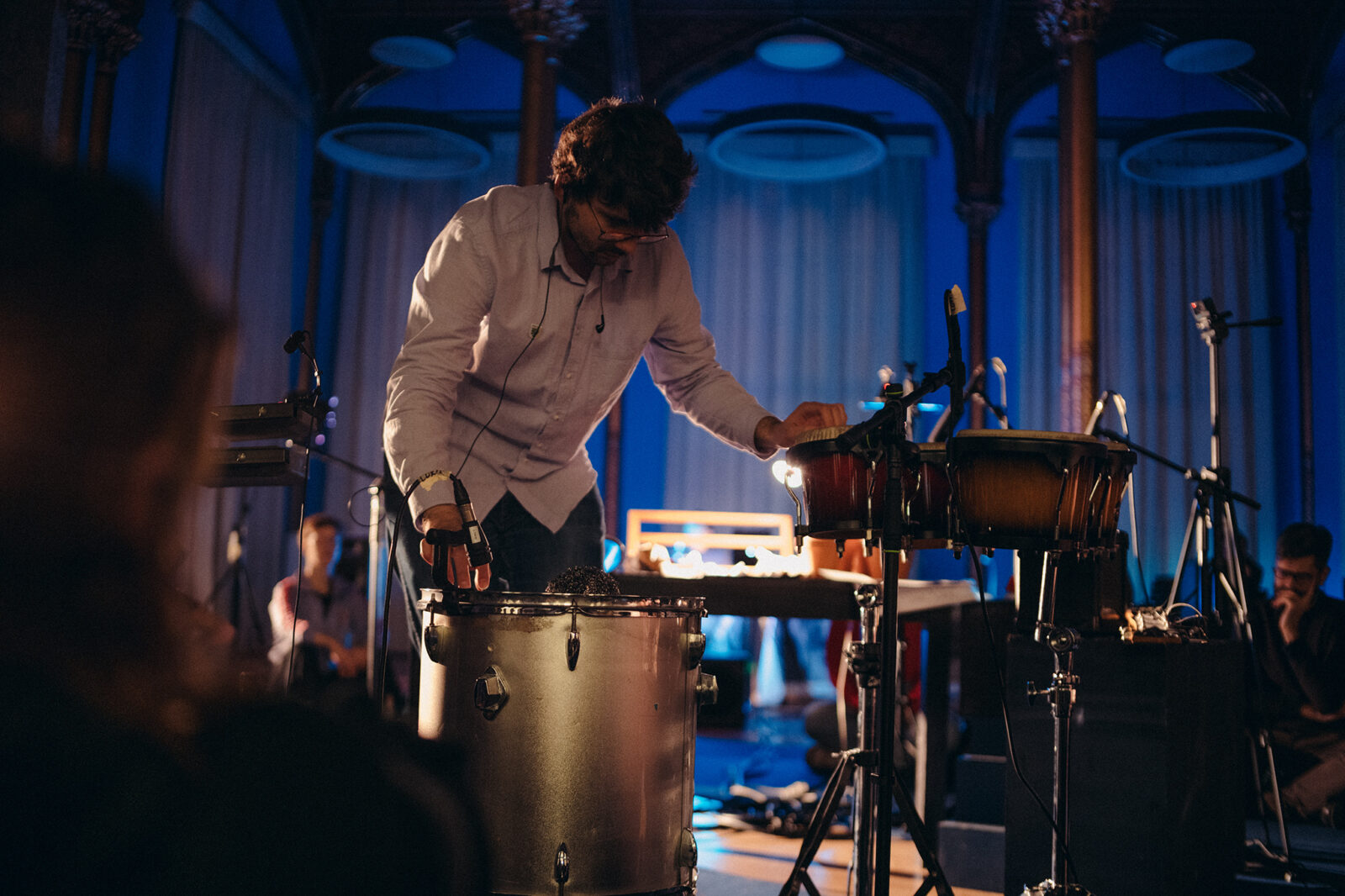
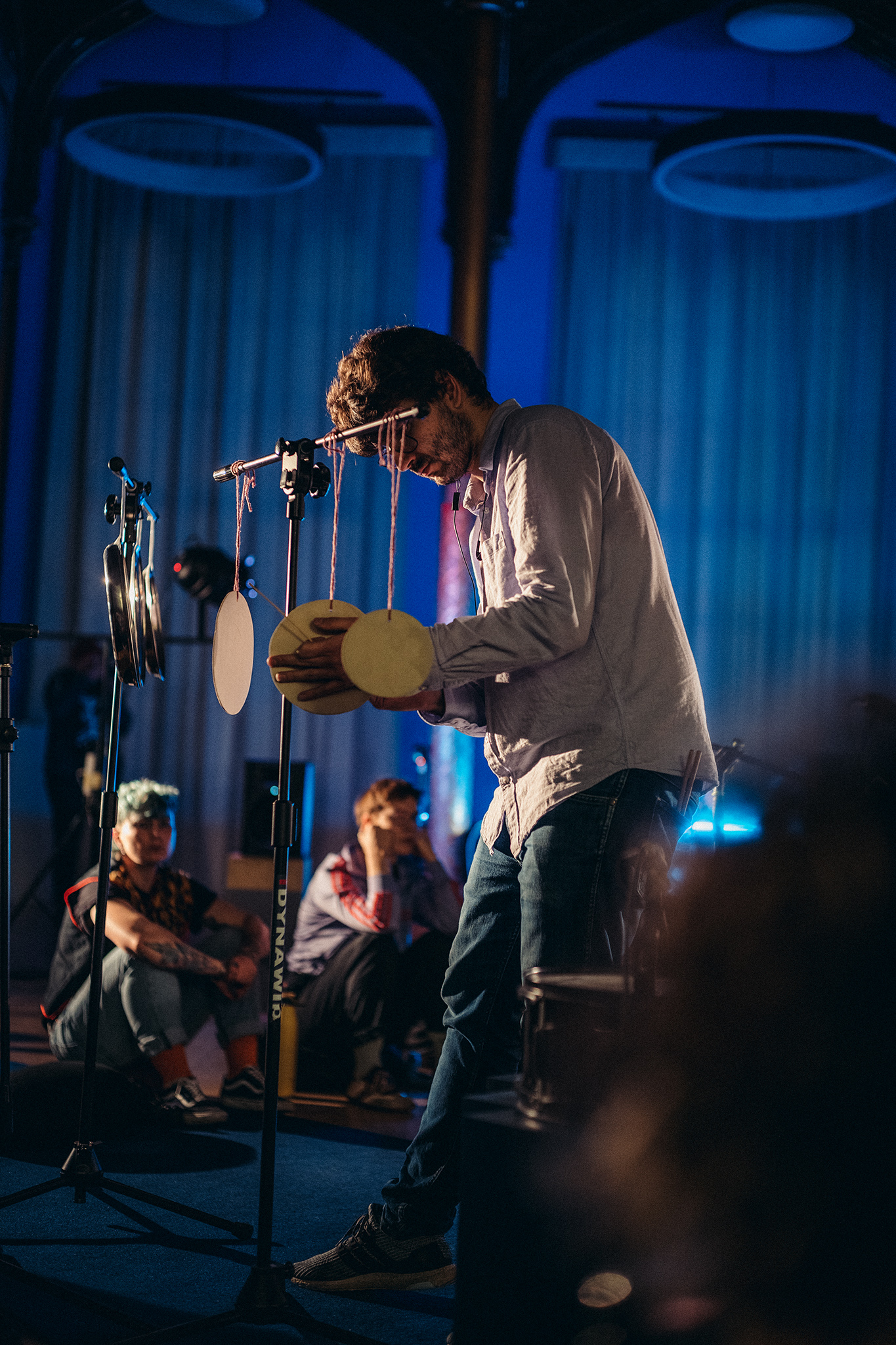
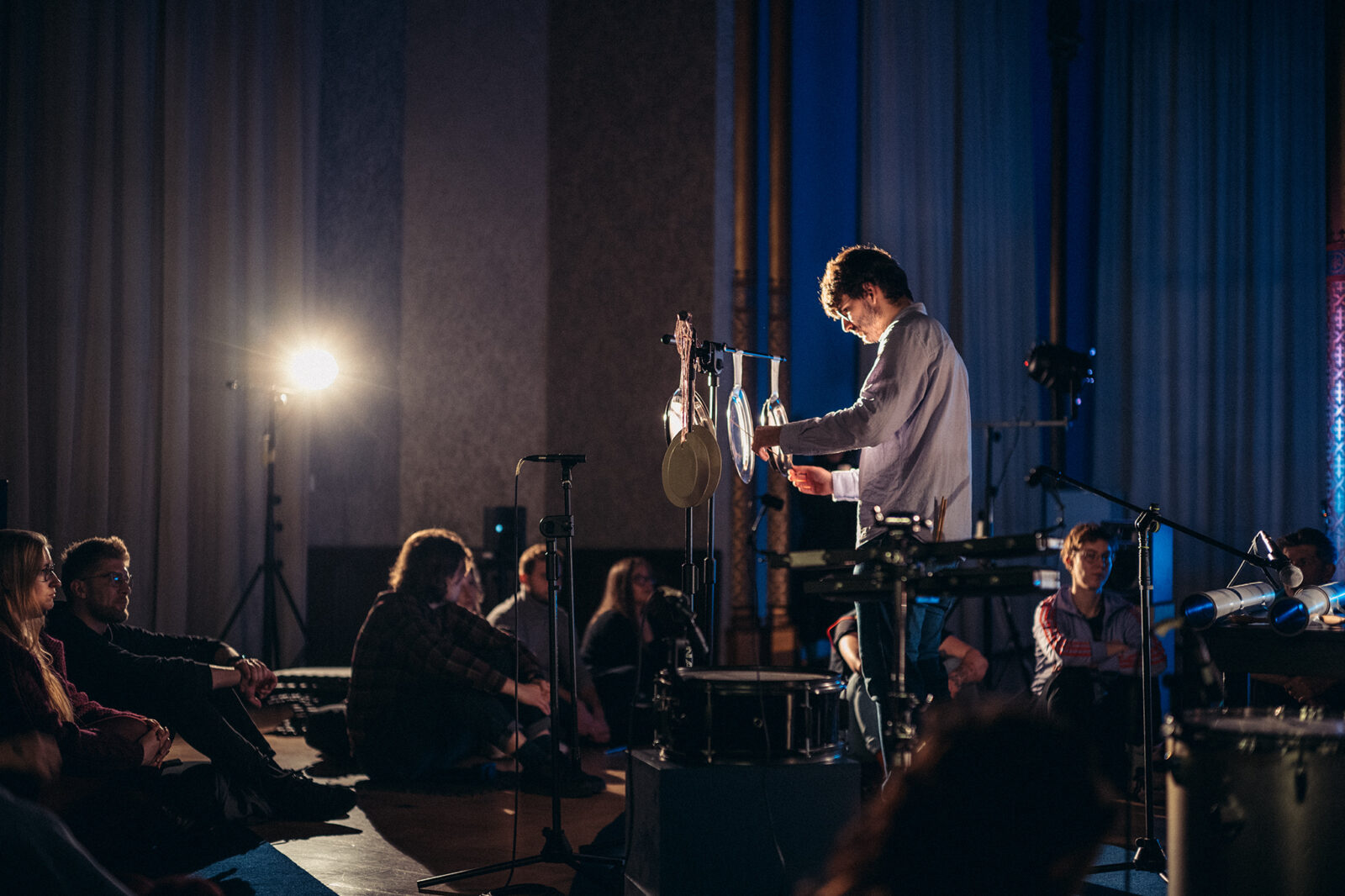
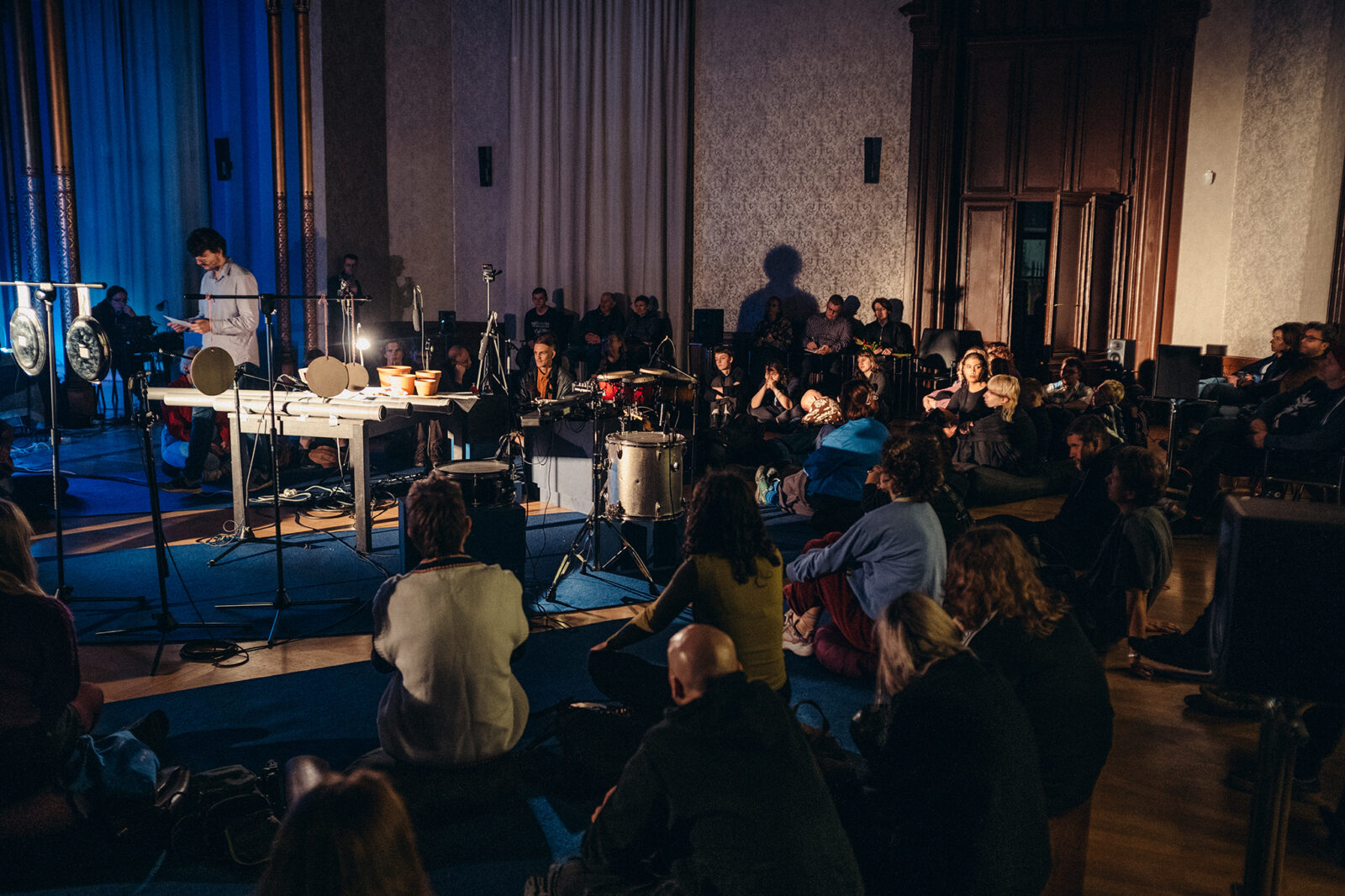
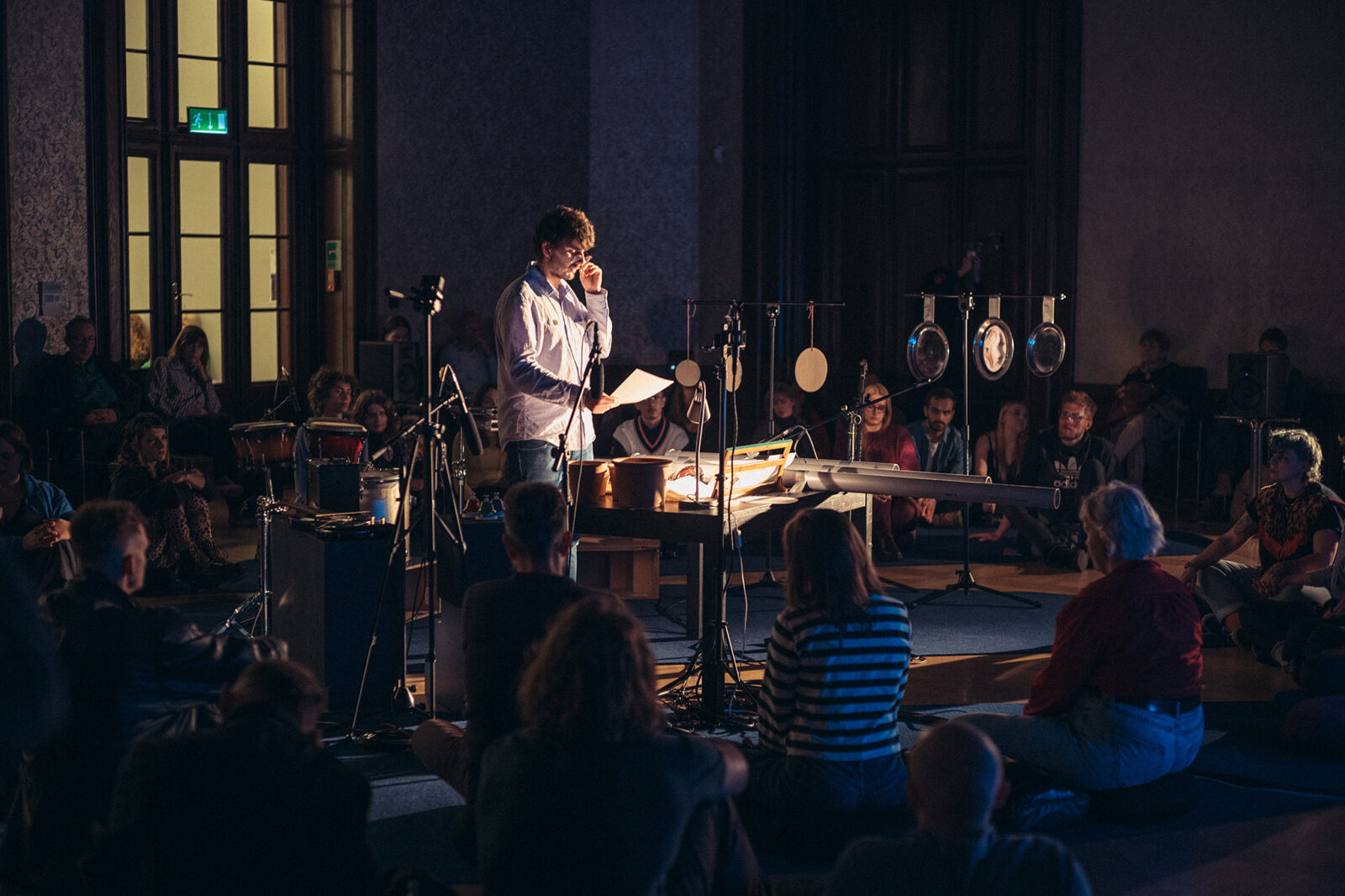
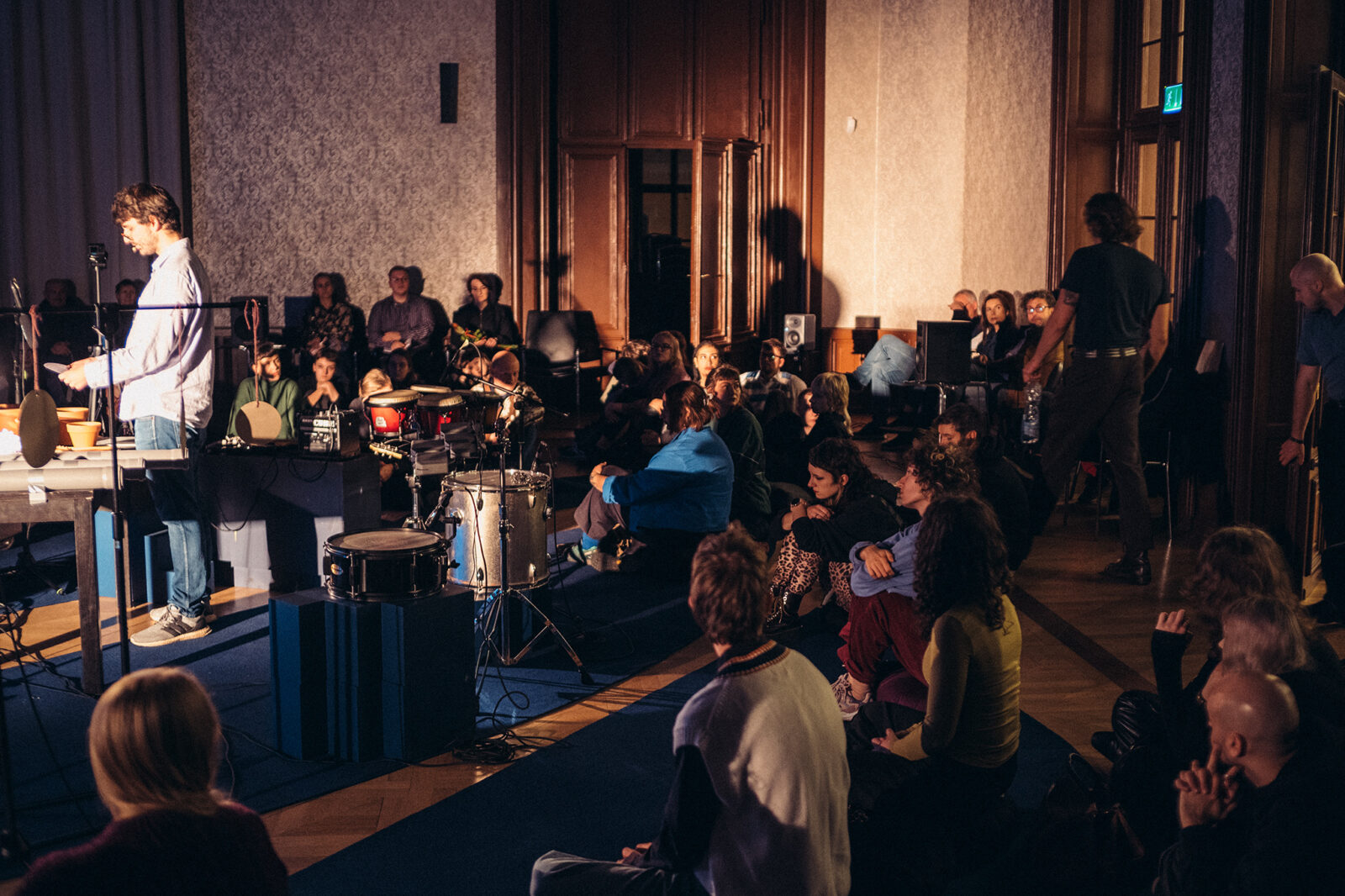
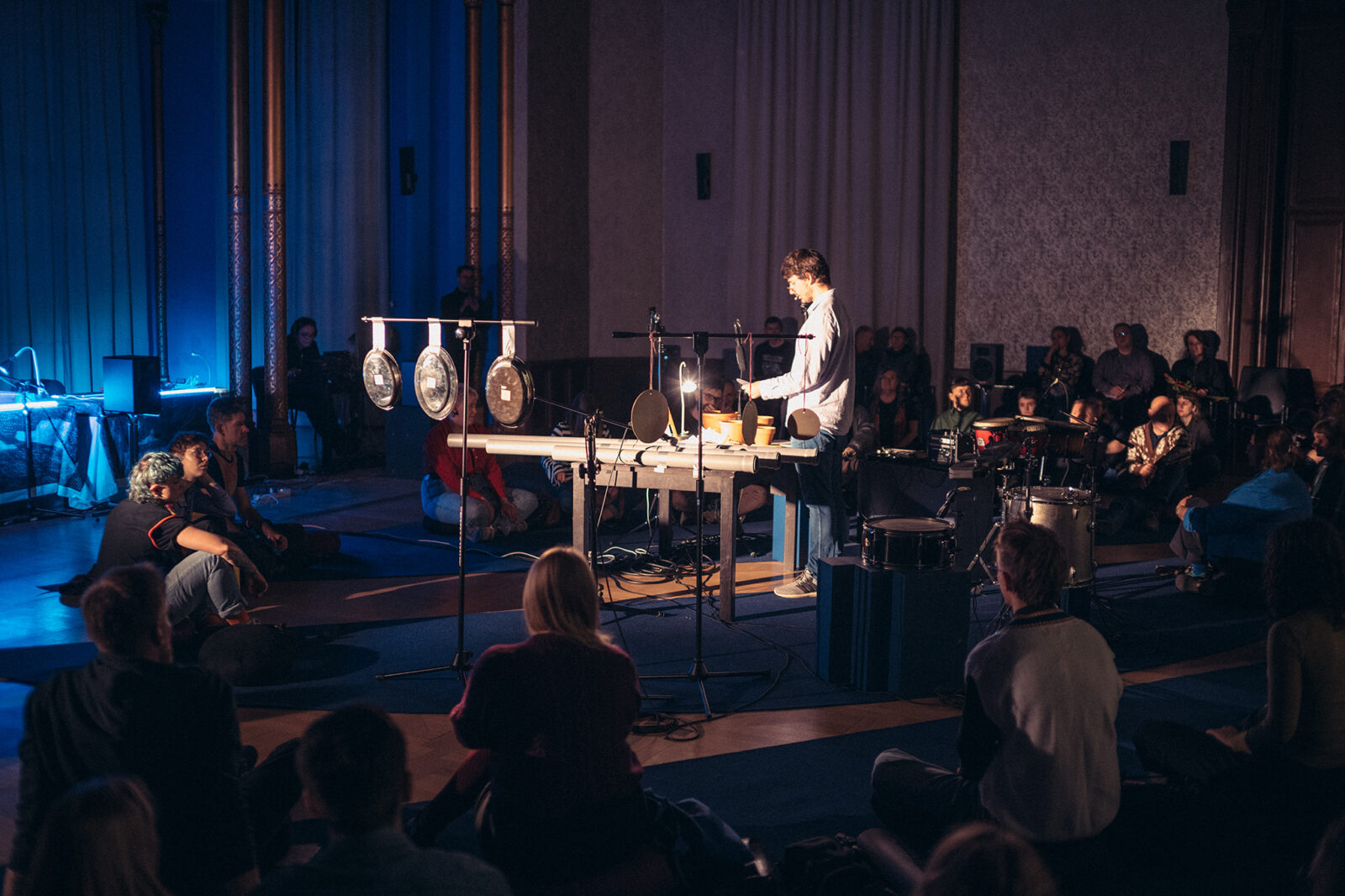
How is the idea of a spiral actualised in Spirale I? In the opening and closing sections of the piece, the composer provides the Creator (his term for the performer) with instructions for the creation of “spiral poetry” – arrangements of syllables (“post-verbal collisions’) based on any alphabet. While delivering the monologue, the Creator successively activates the spirally arranged percussion instruments. The middle sections consist of various types of vocal, percussion and performative actions, with the crucial stipulation that no previously used element may be repeated in the course of the form – just as in a spiral, which never returns to the same point.
This little-known piece was brought to my attention by Dr Joanna Gul at the Library of Culturology and Musicology at the University of Wrocław, who showed me a peculiar score published by PWM, featuring rotating wheels inscribed with words arranged in a spiral. Indeed, navigating through all its complexities in the absence of the composer proved to be a considerable challenge. To my knowledge, Spirale I has only been performed once before, by Jerzy Artysz at the Warsaw Autumn Festival in 1968. However, Ciuciura’s idea was not fully implemented at the time – instead of ‘spiral poetry’, the audience heard excerpts from Tadeusz Różewicz’s poem Non-stop-show. We will attempt a realisation based directly on the composer’s instructions, while at the same time updating them through the use of spatial (spiral) sound projection.
Ryszard Lubieniecki – interpretation of the piece
Michał Sember – performer / the creator
Ryszard Lubieniecki
Spirale della memoria (2025) * for clavisimbalum, percussion and electronics
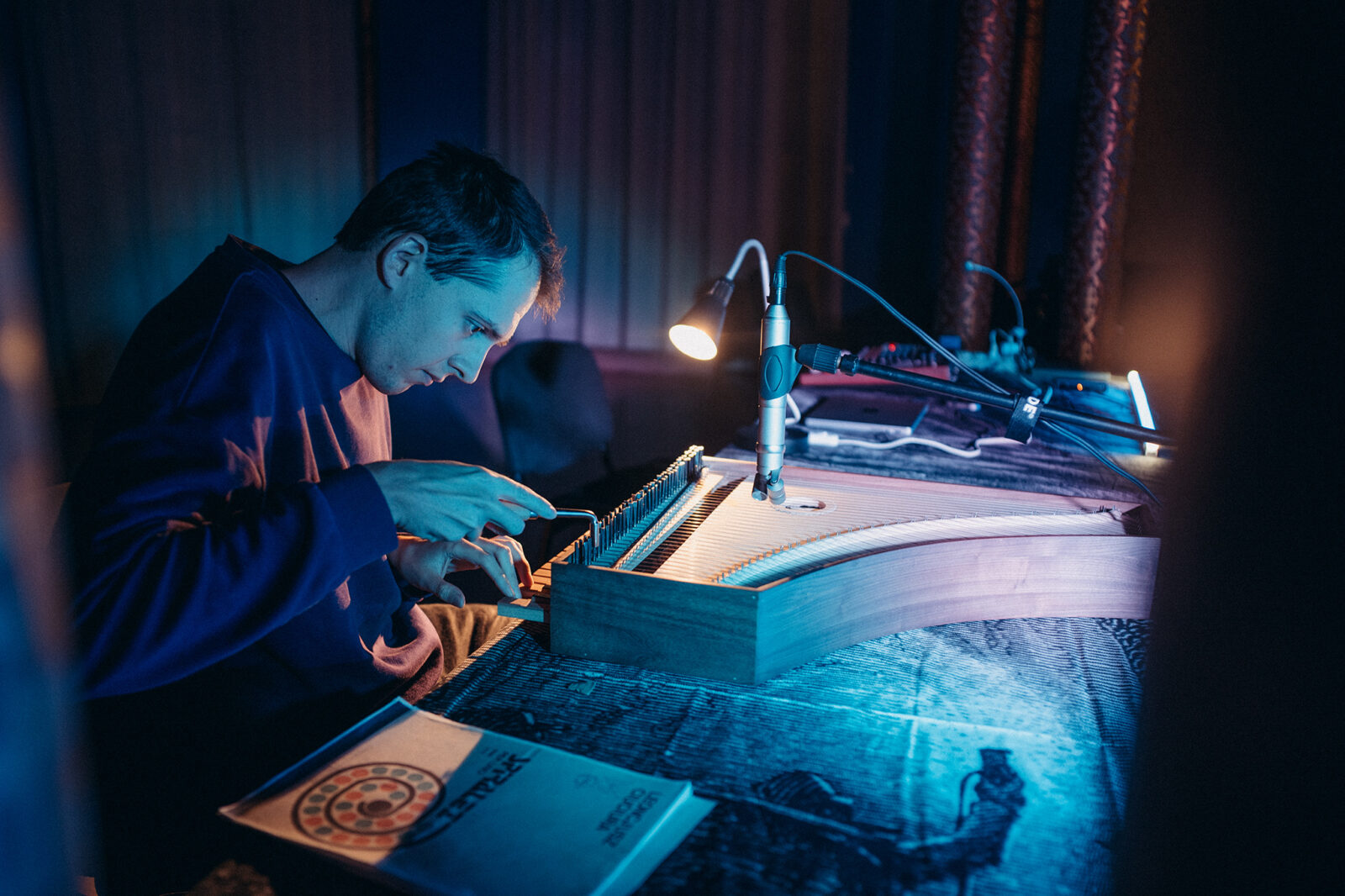
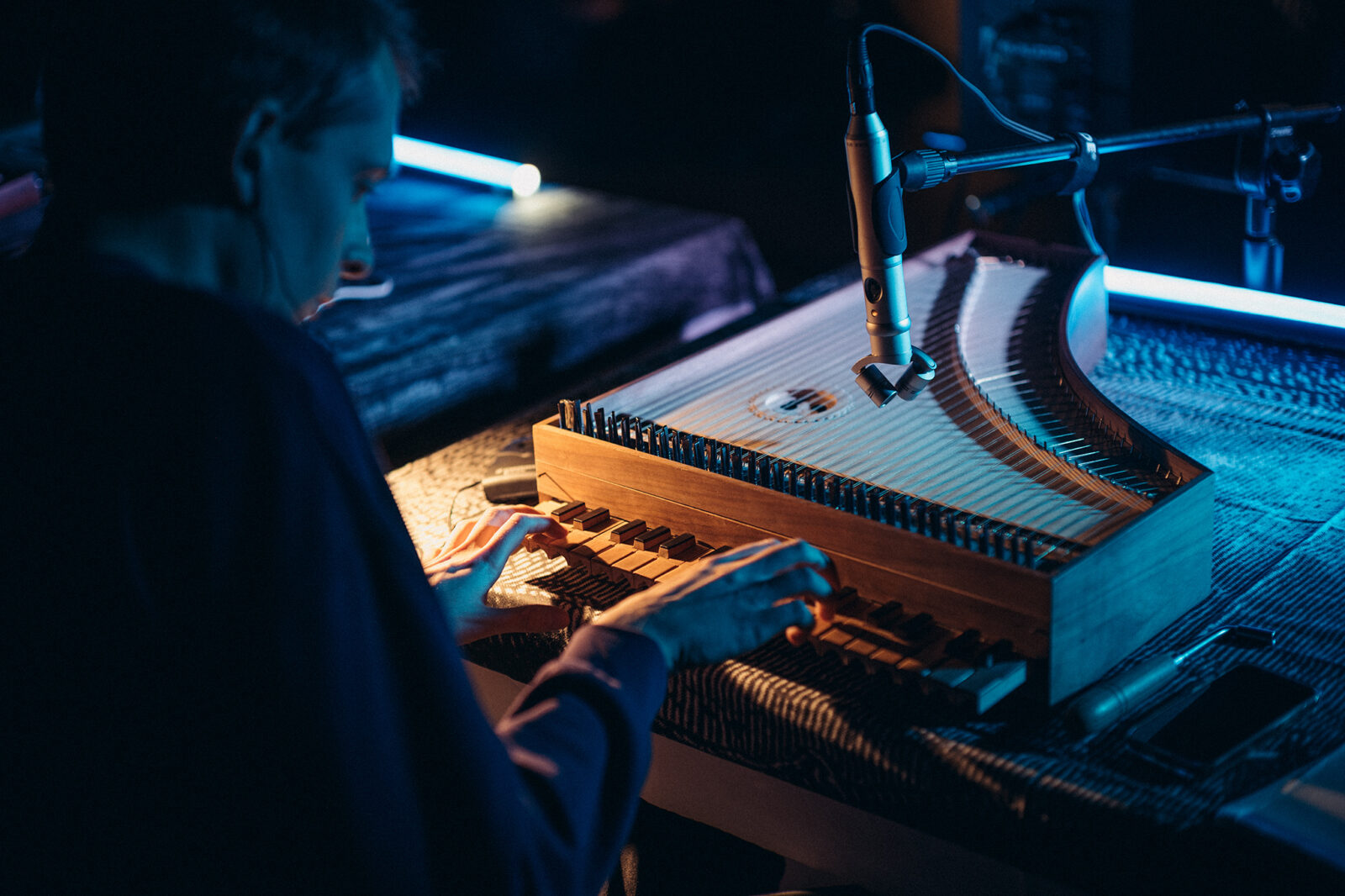
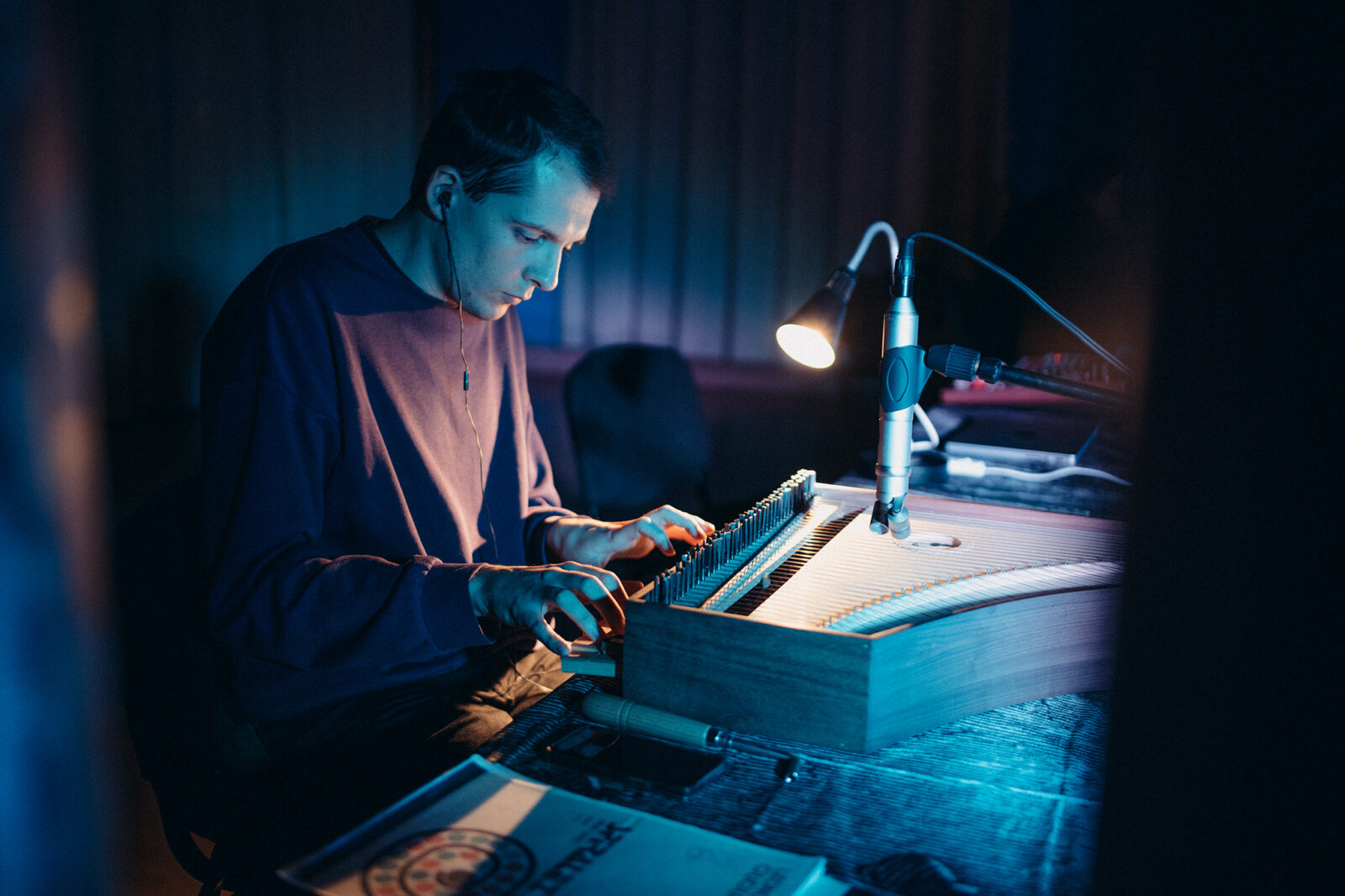
The piece will expand on the idea of the spiral composition, realised by Leoncjusz Ciuciura in Spirale I per uno (1964→), approached from a historical perspective. The set of percussion instruments employed in Spirale I will be joined by the clavisimbalum, a reconstruction of a 15th-century stringed keyboard instrument, while Ciuciura’s ‘spiral poetry’ finds a parallel in the wheels used for arranging letter combinations included in the treatise Ars memoriae by Jacobus Publicius, a 15th-century Florentine orator who taught the so-called ‘art of memory’. Words generated by means of this early method (in the electronics part) will be juxtaposed with the ‘spiral’ tuning of the clavisimbalum. In contrast to the closed system of the modern-day equal temperament (structured as the so-called circle of fifths), the effect of the late medieval method of tuning in pure fifths may be understood precisely as an ‘open’ spiral. Along with the progressive movement through the series of sounds in accordance with the clavisimbalum’s tuning process, the second performer will follow an actual path of percussion instruments, arranged in a spiral in line with Ciuciura’s concept. Spiral motion will also be reflected in the planned trajectory of sounds within the space of a multichannel system.


Miłosz Kędra
our breath, recurring, our breath (2025) *
At the core of the composition lies the practice of tarab (طرب) — a concept with no direct equivalent in English or Polish. It refers to a state of ecstatic enchantment in which the boundaries of time and self dissolve in the experience of music. The poem by Amazona Assem, which serves as the basis for the piece, explores this notion while interweaving the author’s personal experiences of migration and religious oppression. The recurring, cyclical phrases and words draw from the artistic practice of Umm Kulthum, who, during her performances, would evoke a state of tarab — a communal, deeply emotional experience of music — between herself and her audience. Both composer and poems author are trying to reinvent their religious backgrounds and find suitable resources inside of them to let their queerness unfold.
Text excerpts:
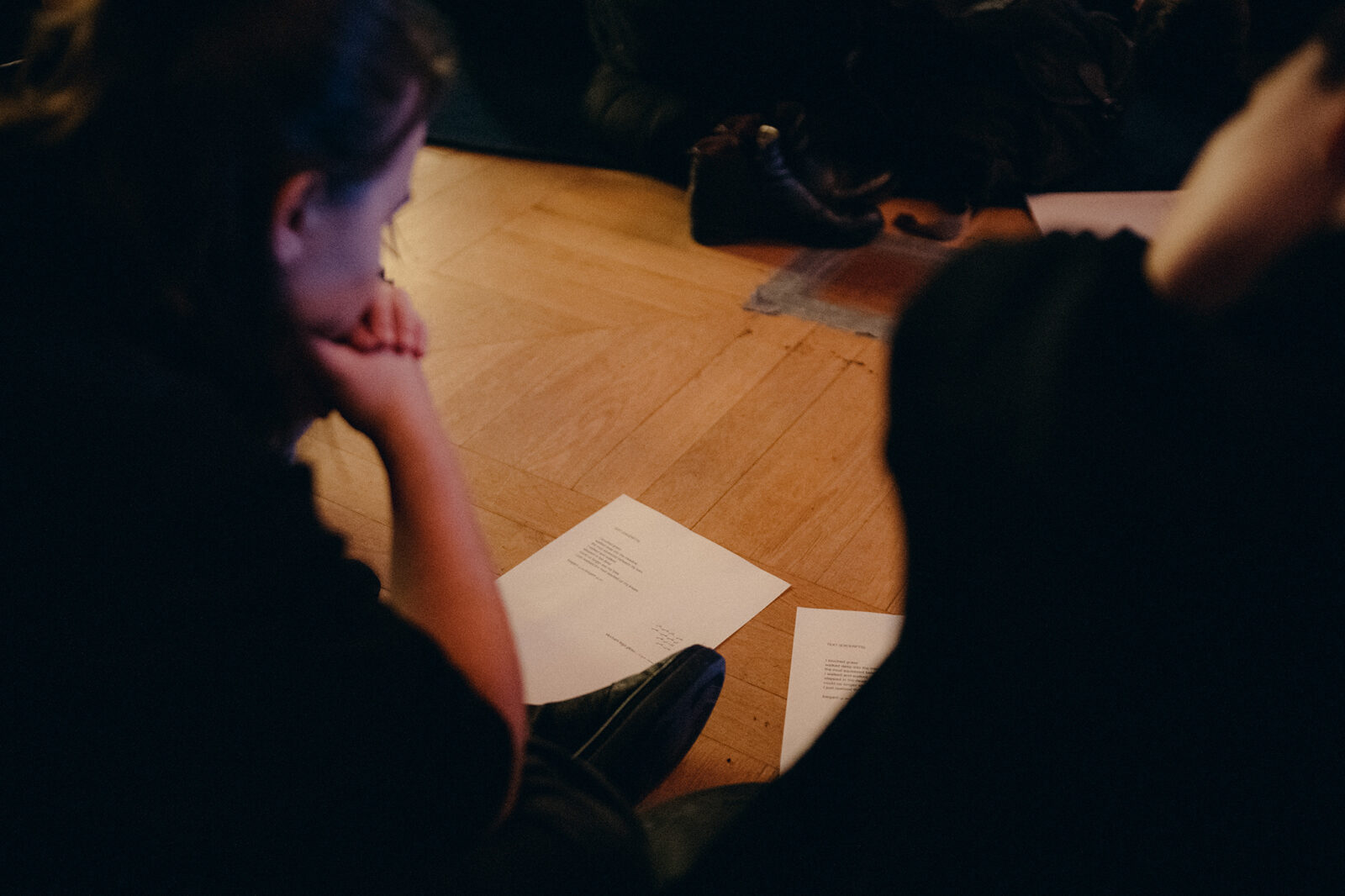
I touched grass
walked deep into the meadow
the mud squeezed between my toes
I walked and walked
stepped in too deep
could no longer see my toes
I just realised the mud reached up my knees
biegam بجري biegam بجري
نفسي…كان نفسي..كان
في نفسي نفسي…نفسي
كانت في نفسي
نفسي..نفسي
سمعت صوت…słucham tego głosu
Leonie Strecker
peripher (2025) *
Peripher is an electroacoustic composition exploring instability, fragility, and the notion of peripherality. Orbiting around shifting centres, sounds constantly slide through microtonal tunings, glissandi, and form subtle frequency shifts. The piece combines organ sound, recorded at the Cité des Arts in Paris during the summer of 2025, with synthetic organ and oscillators, merging acoustic resonance with electronic timbres. Its form, inspired by the spiral form of Leoncjusz Ciuciura, unfolds as a continuously evolving textural field.
Katarzyna Podpora
)personal) movements((() (2025) *
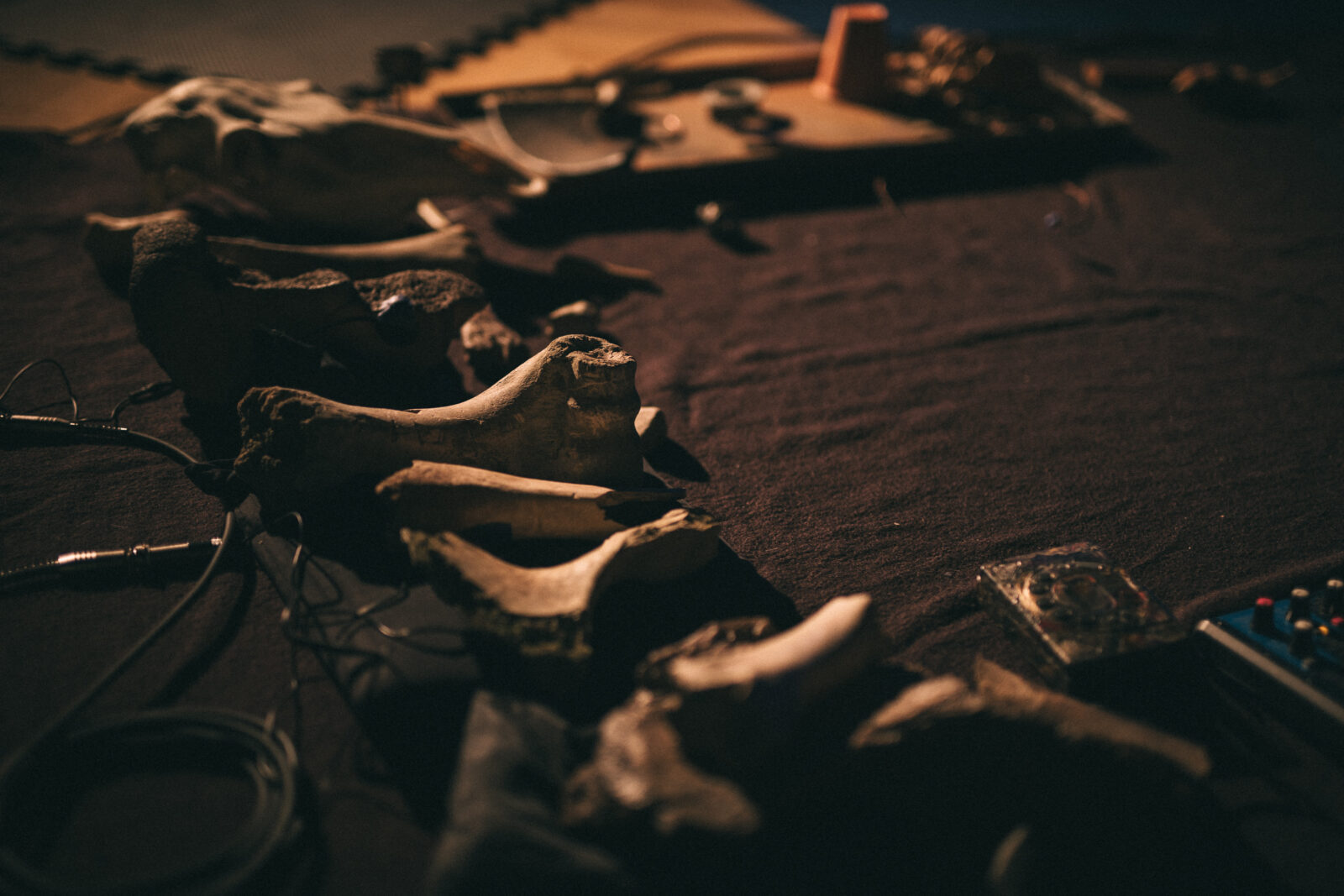
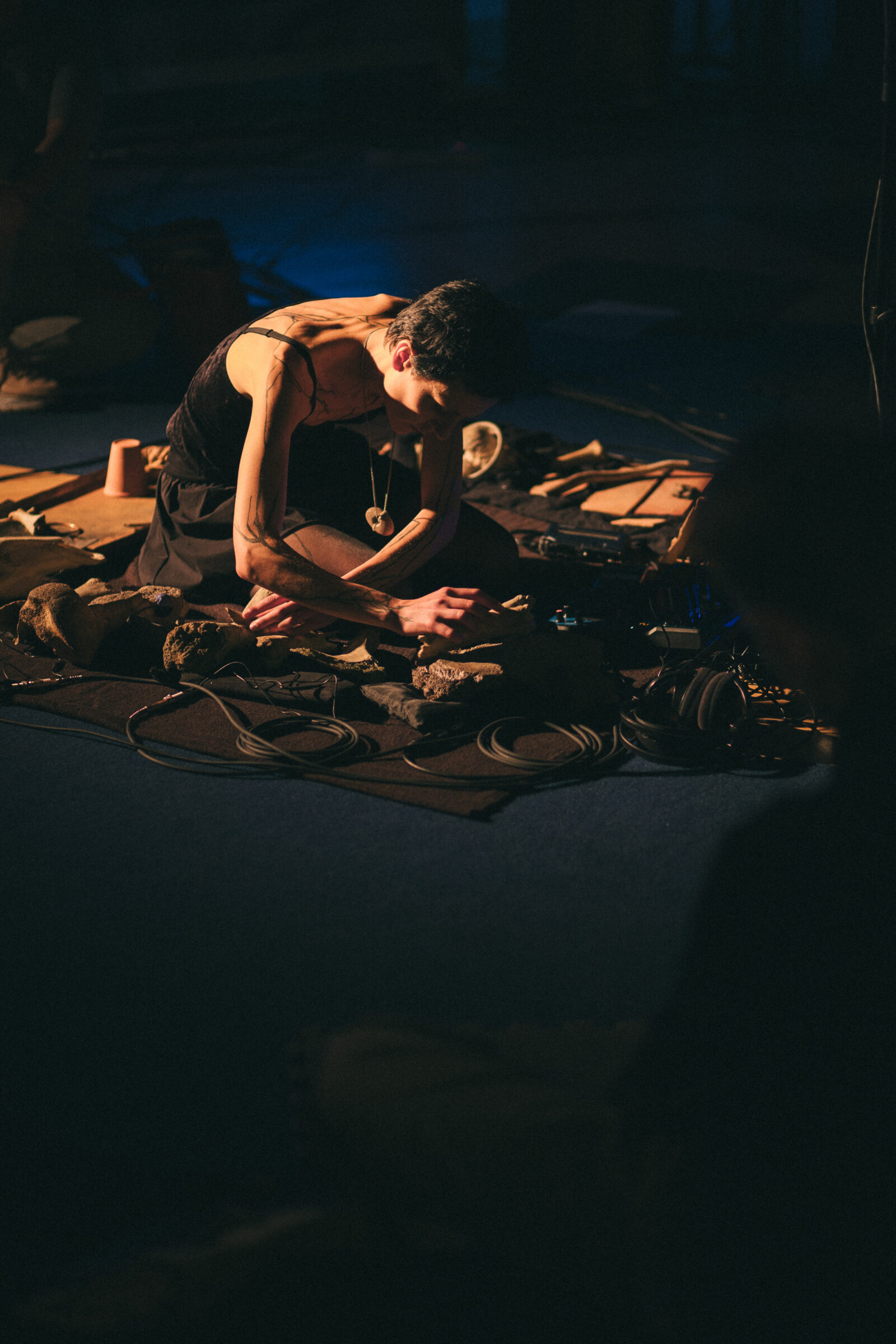
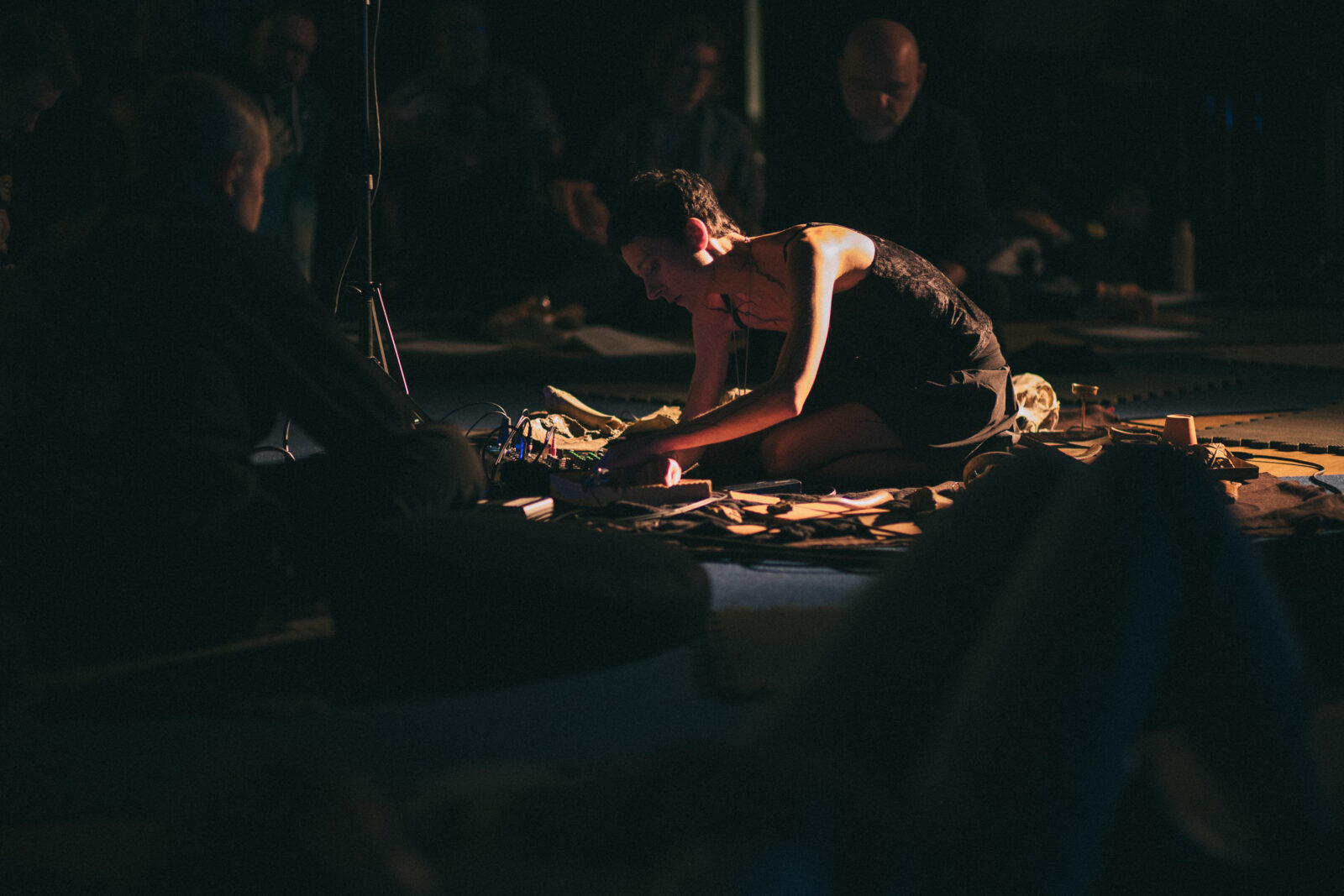
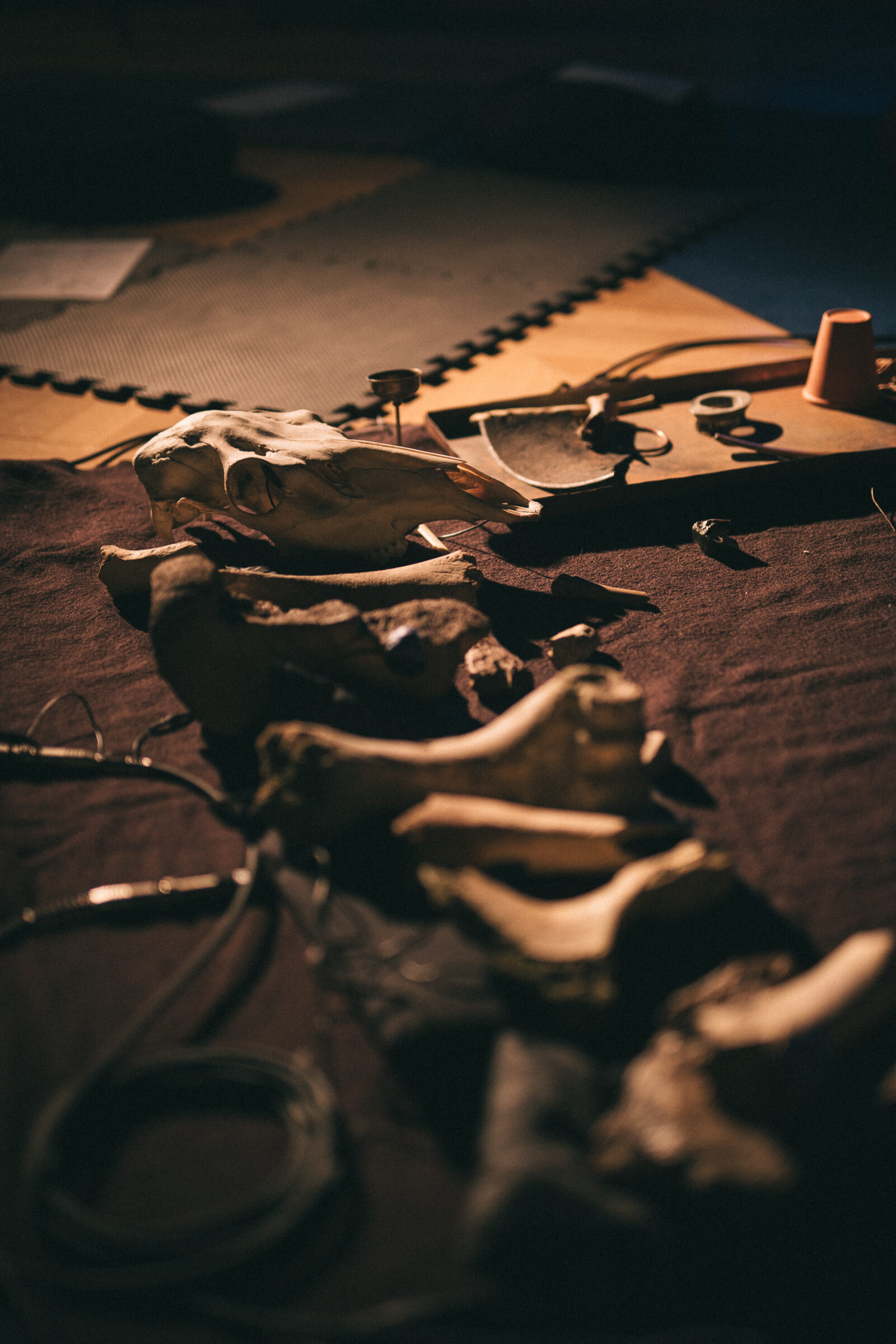
8-channel sound composition (() featuring field recordings))) _((_(amplified remains of non-human beings – bones_() leaves__)_- (small objects of different origins (_(_)(shattered ceramics ( (paper___))metal(_) _ one not-quite-functional musical instrument ()_ one human being )_)) touching and setting other people into motion (() _
_the composition is spun around ())) each matter__ or _being _))( set in circular motion )_(((( or only) partly_ – in pursuit of circularity)) and inward_(full of) sonic events) _which (like gusts of wind_() ) dispersed across time__( and space))))( )(())) _ gently break ())) the forming spiral((((() )

Mikołaj Szmeichel
Zdanie z pewnego snu: (2025) *
In my composition, I work with my personal collection of sounds, field recordings and samples that serve as a starting point for a layered, repetition-based composition. The spiral form is referenced through the use of spatially distributed, cascading echoes and the formal structure of the piece. A significant source of inspiration for me is Ciuciura’s approach to speech – the composition features barely recognisable fragments of spoken voice that engage in an incomprehensible dialogue with one another.
Oktawia Pączkowska
Vortex (2025)*
Vortex is a composition for octophonic system, inspired by Leoncjusz Ciuciura’s concept of the spiral form. The sound space of the piece functions as an instrument in its own right – sounds are subjected to algorithmic transformations based on the idea of a wheel that unfolds and evolves spirally over time. Rotations and multiplications of trajectories create the impression of changes in pitch, timbre and direction, engaging the listener in the dynamic movement of sound. The structure of the work develops according to a spiral rhythm – from a state of potentiality, through the activation of material, to a moment of emergence in which new sonic qualities reveal themselves. Vortex is an attempt to musically capture the spiral nature of reality – from galactic vortices, to the rhythms of nature, to DNA helices – and to transform it into an immersive sound experience.
* first performance, commissioned by Canti Spazializzati
Michał Sember
Born in Środa Śląska, he lives in Wrocław. He has been playing improvised music in various lineups for over a decade. He usually uses electric guitar, objects and voice. He has had the opportunity to collaborate with artists such as Paulina Owczarek, Agusti Fernandez, Michał Biel, Adam Webster, Mateusz Rybicki, Paweł Doskocz, as well as musicians from the Dźwięk-Bud collective in Łódź. He is a member of the music editorial board of Academic Radio LUZ, where he hosts the author’s Tembr program on experimental music. As a Siemper he participates in rap freestyle battles and as a repmeis he plays DJ sets and produces computer songs.
Ryszard Lubieniecki
Composer, musicologist, instrumentalist, improviser. He studied composition and accordion at the Academy of Music in Bydgoszcz. In 2023, he completed his doctoral thesis under the supervision of Professor Remigiusz Pośpiech at the Institute of Musicology in Wrocław (where he currently works as an assistant professor), on memory and its traces in late medieval musical and theoretical sources from the Central European region. In addition to the accordion, he also plays medieval keyboard instruments (portative organ and clavicymbalum). Co-founder of the contemporary music trio Layers and the medieval music ensemble Vox Imaginaria, as well as more ephemeral improvised music groups, including Izquierdo/Lubieniecki, Widzicie, Lubieniecki/Rupniewski and Disquiet.
https://soundcloud.com/ryszard-lubieniecki
Miłosz Kędra
The compositions of Miłosz Kędra (2001) explore synthetic sound, electroacoustic and acoustic instruments, seeking different timbres, tunings and textures. Their main field of work, and the centerpiece of their first album For Aeons (2021), is the pipe organ. In this work, through minimalistic themes, he transports the sounds of the instrument outside the church by synthetically processing its tones. Currently, they are studying for a Master’s degree in New Media Music at the Academy of Music in Poznań and recently completed their Bachelor’s degree in Electroacoustic Composition during which they built their own pipe organ. Their latest album “their internal diapasons” has garnered attention across European and international experimental music circles, praised for its imaginative reinvention of the pipe organ and its raw, textural approach to sound.
Amazona Assem
(b. 1998, Cairo) In her works, she seeks to deconstruct hierarchies of individual and collective oppression, as well as reformulate analogies and symbolisms through abstract representations. She delves into topics of selfhood/personhood, bio-editing and hacking. She is interested in issues of philosophy. queer prosecution and migration in the global south and adaptation and survival tactics in the exile, indigenous practices and rituals. She expresses her takes through mediums of performance, video-art, sculpture and spoken word of mouth and aims to broaden the mediums through which her ideas manifest.
Leonie Strecker
Leonie Strecker is a composer and sound artist. Her work includes electronic and electro-acoustic music, compositions for soloists and ensembles, as well as performances and installations. She explores ideas around the hybridity of form, presence and absence, the connection of memory and experience, and the meaning of concrete and synthetic sound. Her works have been shown at La Biennale di Venezia, Venice; Audio Art Festival, Krakow; Musikprotokoll Festival, Graz; Kunstpalast, Düsseldorf; Kunstsammlung NRW, Düsseldorf; De Singel Arts Centre, Antwerp; ZKM, Karlsruhe, among others. Born in 1995 in Düsseldorf, she studied electroacoustic composition in Rome and Düsseldorf before graduating cum laude from the University of Music and Performing Arts in Graz. She is currently based in Vienna.
Katarzyna Podpora
Multimedia artist and translator based in Gdańsk, bonded with the sea – its audiosphere, flux, influence on matter; she’s active in the field of sound, visual and textual art, and holds a PhD in Sculpture and Intermedia Art. Her creative work revolves around material and individual qualities of beings (both living and non-living), performative and ephemeral aspects of form, as well as the issues of process and memory in the context of recordings made by means of various media – audio, video, photography. She focuses on listening to materials and spaces. While creating experimental music (e.g. in the PODPORA/KOHYT duo https://podporakohyt.bandcamp.com ), she highlights the role of her instrumentarium which consists of objects considered trash, including dead remains of non-human beings – animal bones, dead parts of plants, as well as dilapidated instruments, destroyed gramophone records and tapes with field recordings. Her artworks have been presented at many exhibitions as well as festivals of contemporary art and music.
Mikołaj Szmeichel
AKA Lemta Toro. Author of the 2021 album True Religion, on which they experimented with cassette loops and field recordings. In 2023, they released ‘KAPITAŁKA’, combining raw, synthesizer soundscapes with white singing. Their music draws inspiration from low-fidelity sensitivity, tape music, and folk music. Their tracks have been featured in mixes on Noods Radio, LYL Radio, Culture.pl, as well as on lists by The Quietus and 4AD.
Oktawia Pączkowska
Composer and sound artist. Her works have been performed in Poland and abroad at festivals such as Setkávání Nové Hudby Plus in Brno (Czech Republic, 2017), Tehran Contemporary Music Festival (Iran, 2018), New Music Days in Lucerne (Switzerland, 2018), New York City Electroacoustic Music Festival (USA, 2021), HELMCA Electroacoustic Music Days (Greece, 2021), Lampi Di Rete Audiovisual Marathon (Italy, 2022), Audio Art in Krakow (2022, 2024), MUSICACOUSTICA-HANGZHOU (2023), Warsaw Autumn (2023, 2024) and ManiFeste Festival in Paris (2025).
Winner of such competitions as the Keiko Yoneda International Composers’ Competition (2021) and Composition Competition of the 10th International Competition of Duos with Harp (2024), as well as a three-time finalist of the PRIX CIME International Electroacoustic Music Competition (2019, 2021, 2023). She has participated in international residencies and programmes, including composer.pl (2021), JACK Studio (2023) and One Beat Virtual #5 (2024).
She is a recipient of the Minister of Culture and National Heritage Scholarship (2020), the Creative Scholarship of the City of Krakow (2023), and the Young Poland Scholarship (2024). Paczkowska earned her Master’s degree in 2021 from the Krzysztof Penderecki Academy of Music in Kraków. She graduated with a master’s degree from the Karol Penderecki Academy of Music in Krakow and studied at the Lucerne University of Applied Sciences and Arts as part of the Swiss-European Mobility Programme (2018). She is currently pursuing a PhD at the Fryderyk Chopin University of Music in Warsaw.
THE EVENT
11.10.2025 19:00:
୭ Michał Sember plan Leoncjusza Ciuciura
୭ Ryszard Lubieniecki
୭ Miłosz Kędra
୭ Leonie Strecker
12.10.2025 19:00:
୭ Katarzyna Podpora
୭ Mikołaj Szmeichel aka Lemta Toro
୭ Oktawia Pączkowska
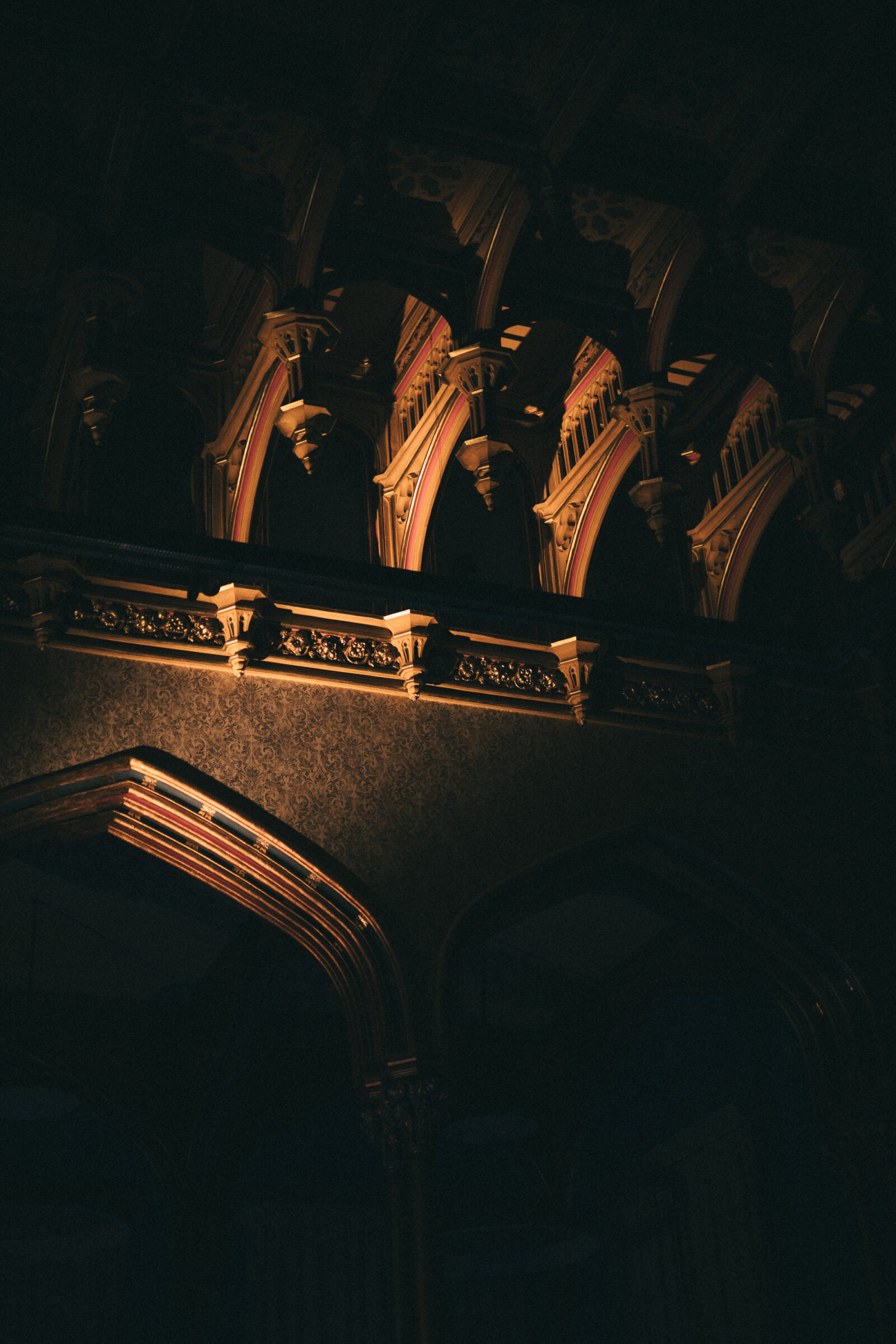
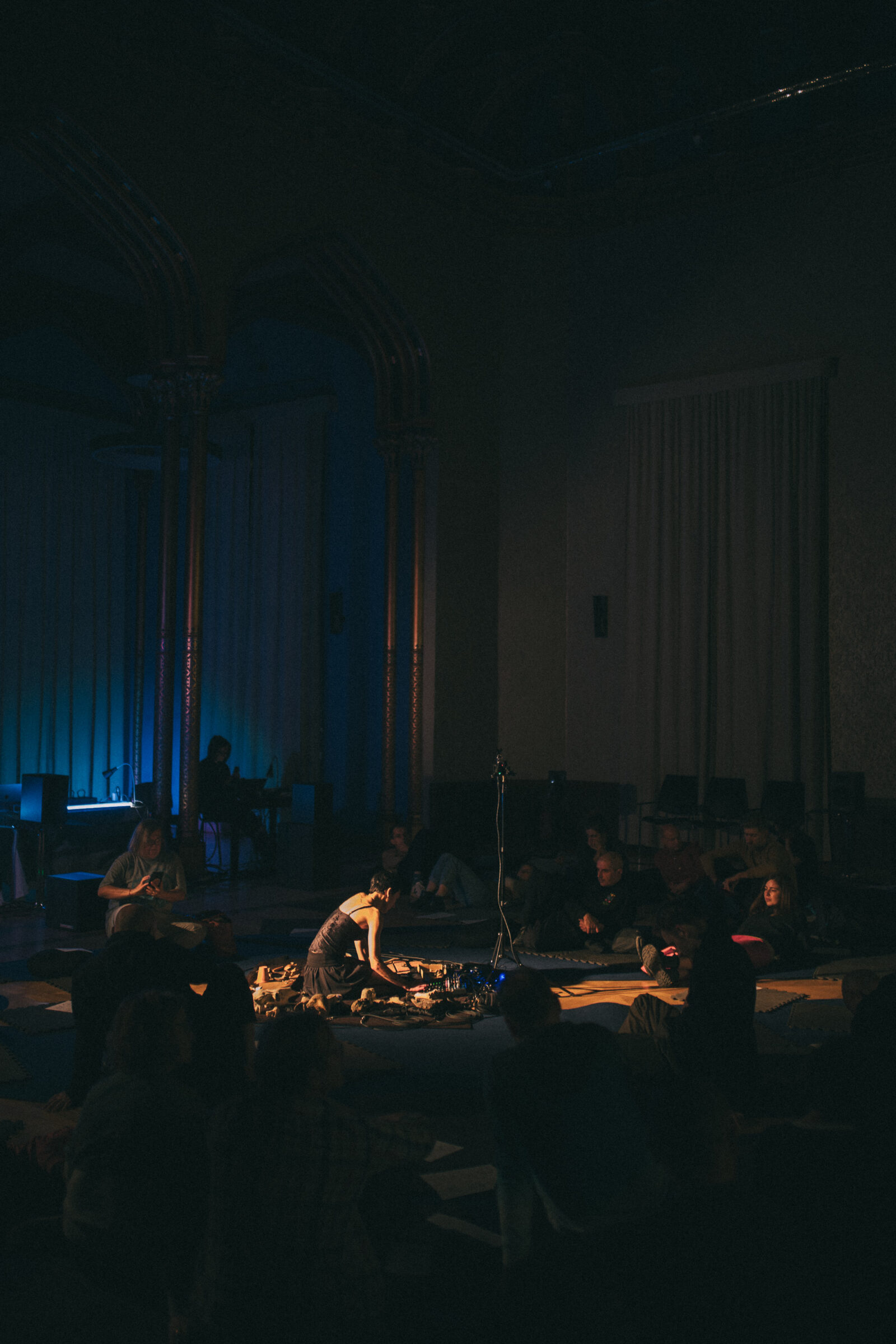
BWA Wrocław Główny Gallery
The mezzanine of Wrocław Główny railway station
105 Piłsudskiego Street
THE GALLERY
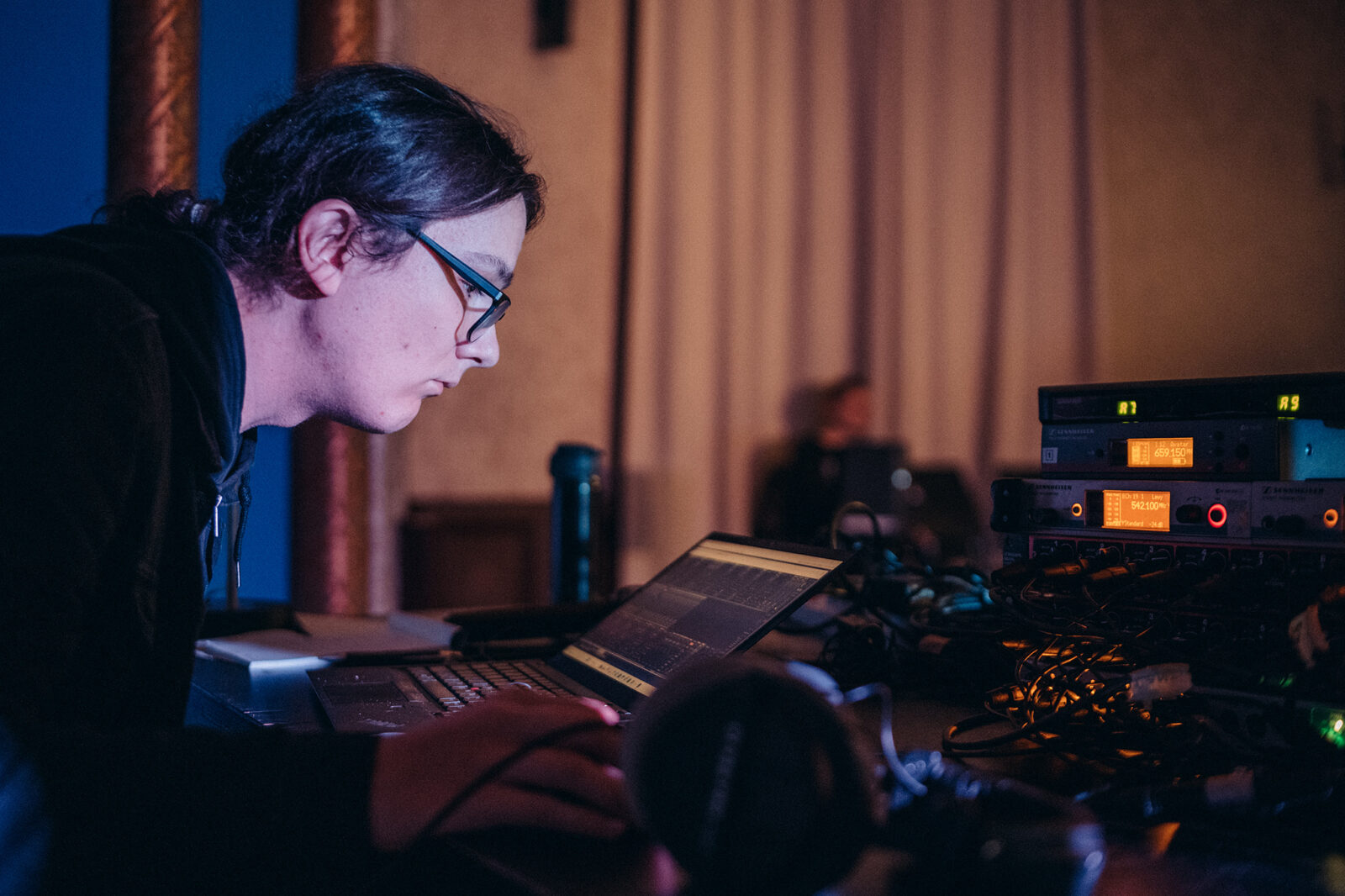
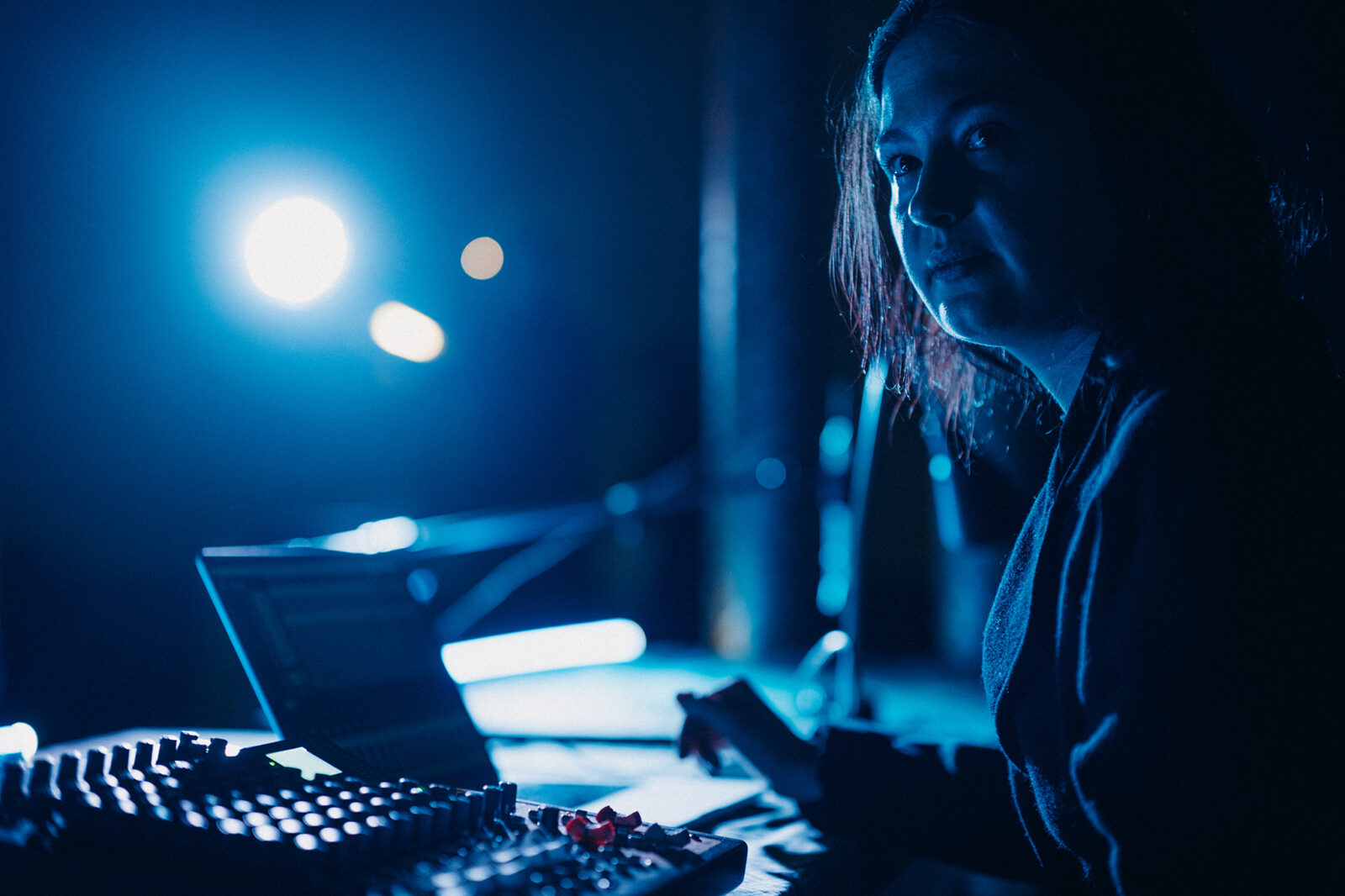
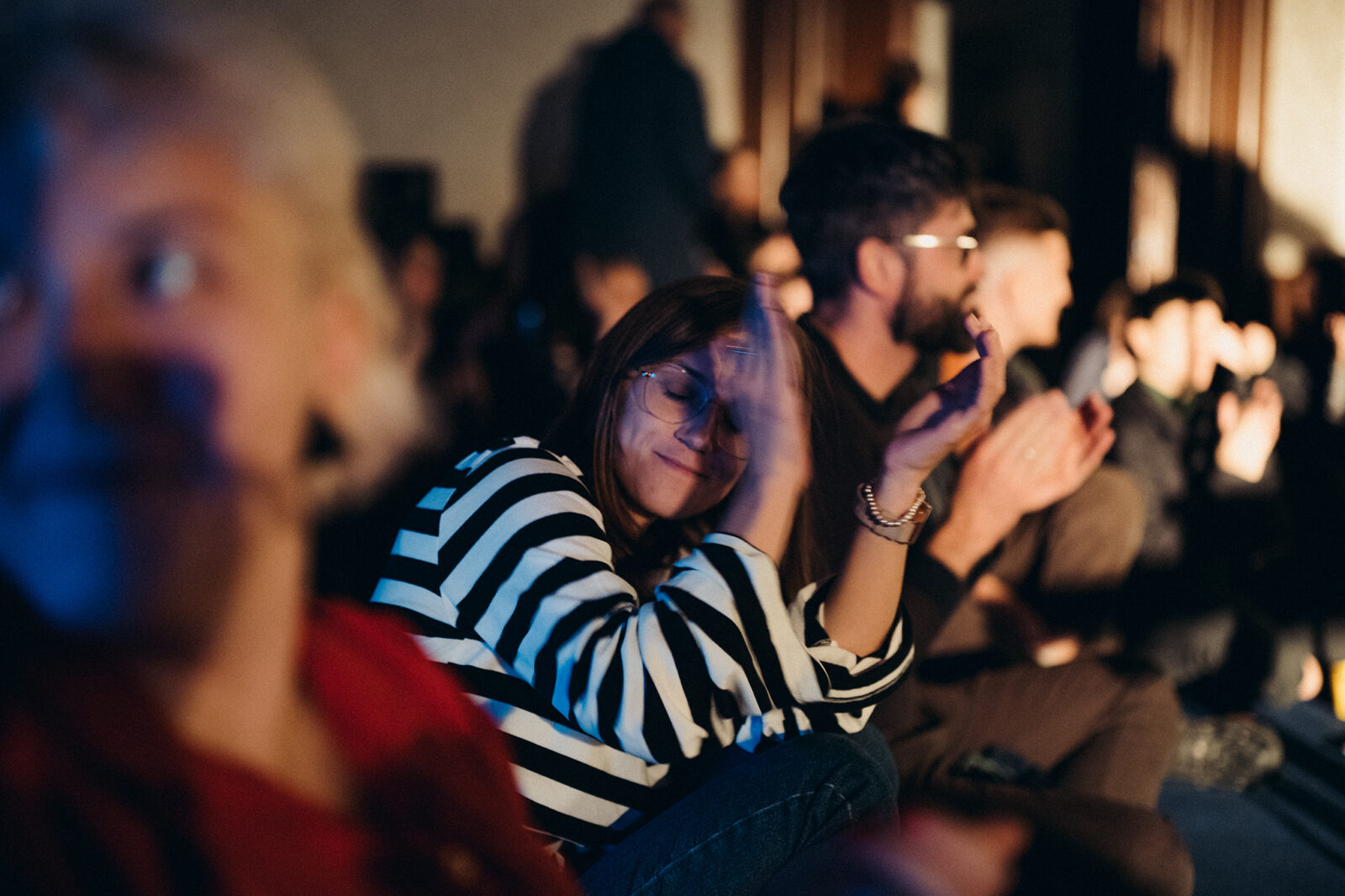
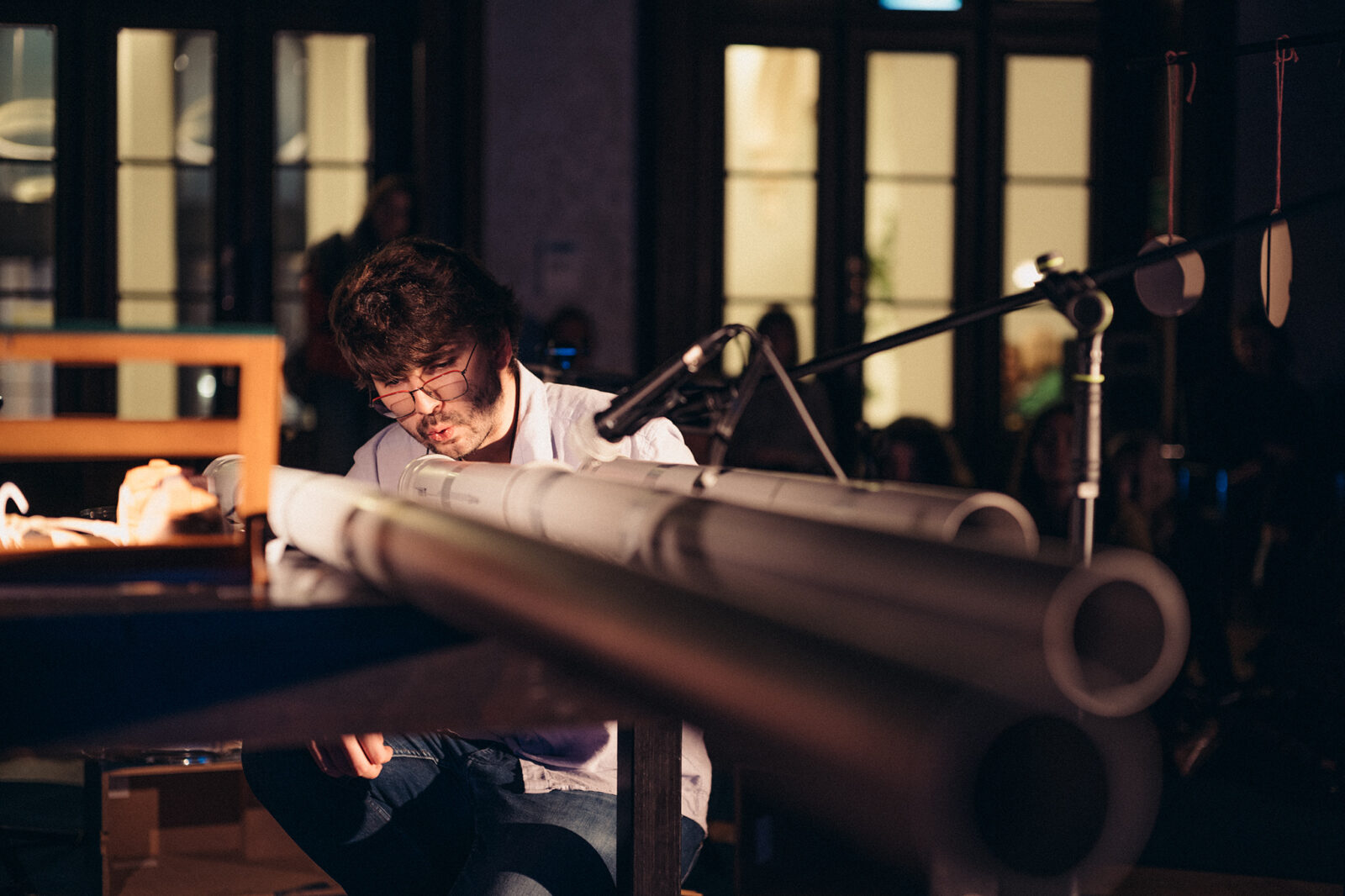
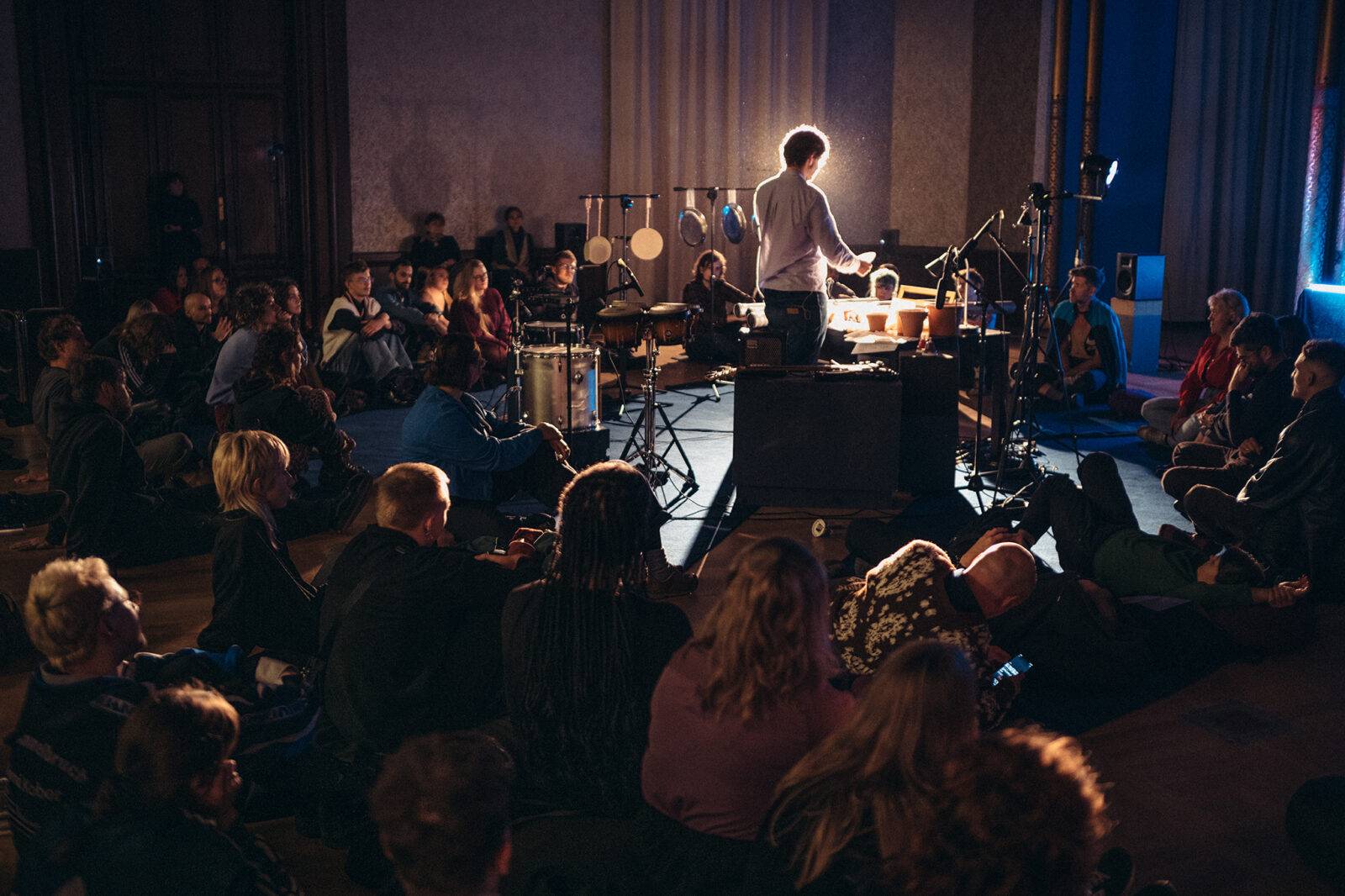
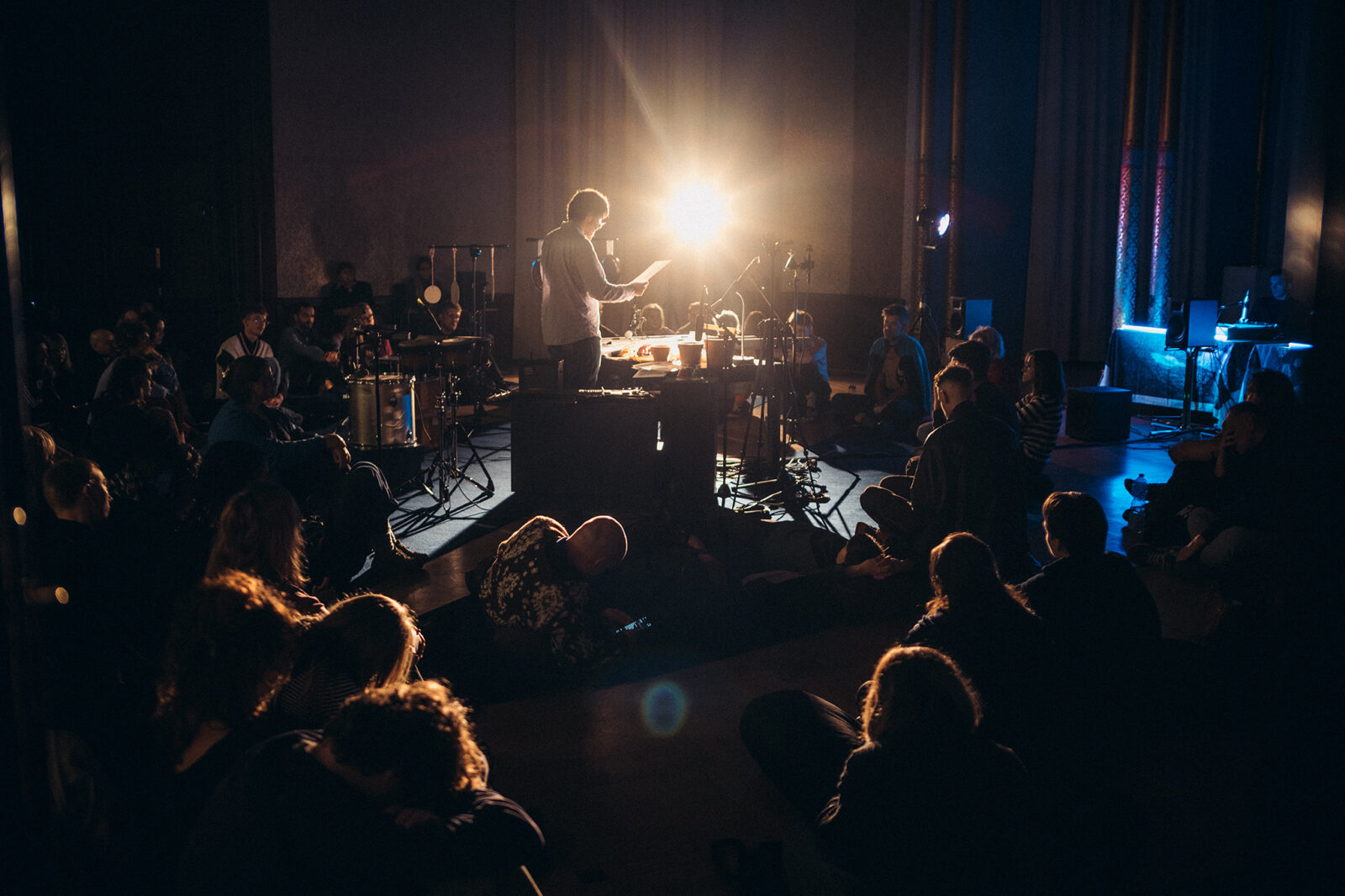
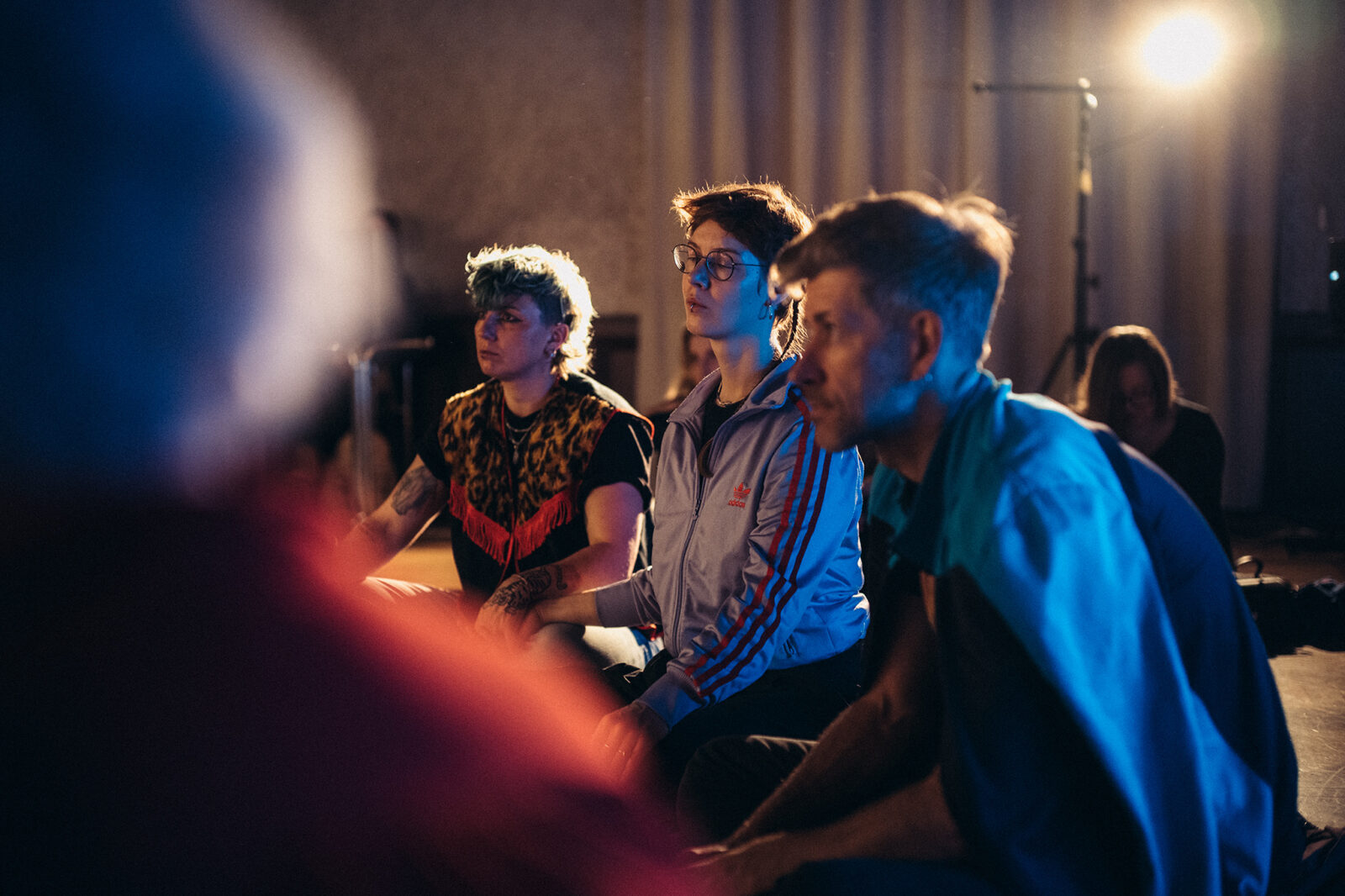
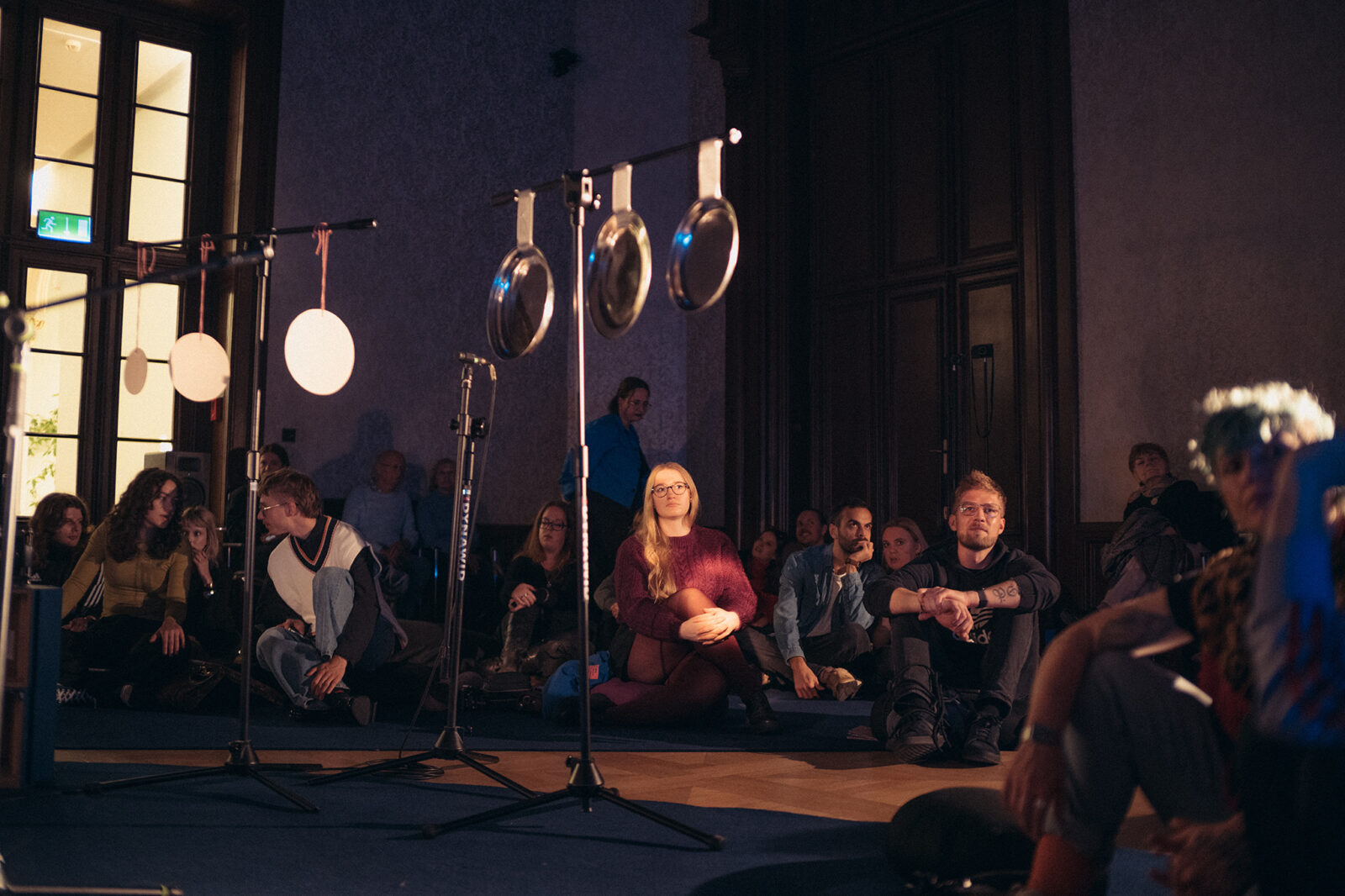
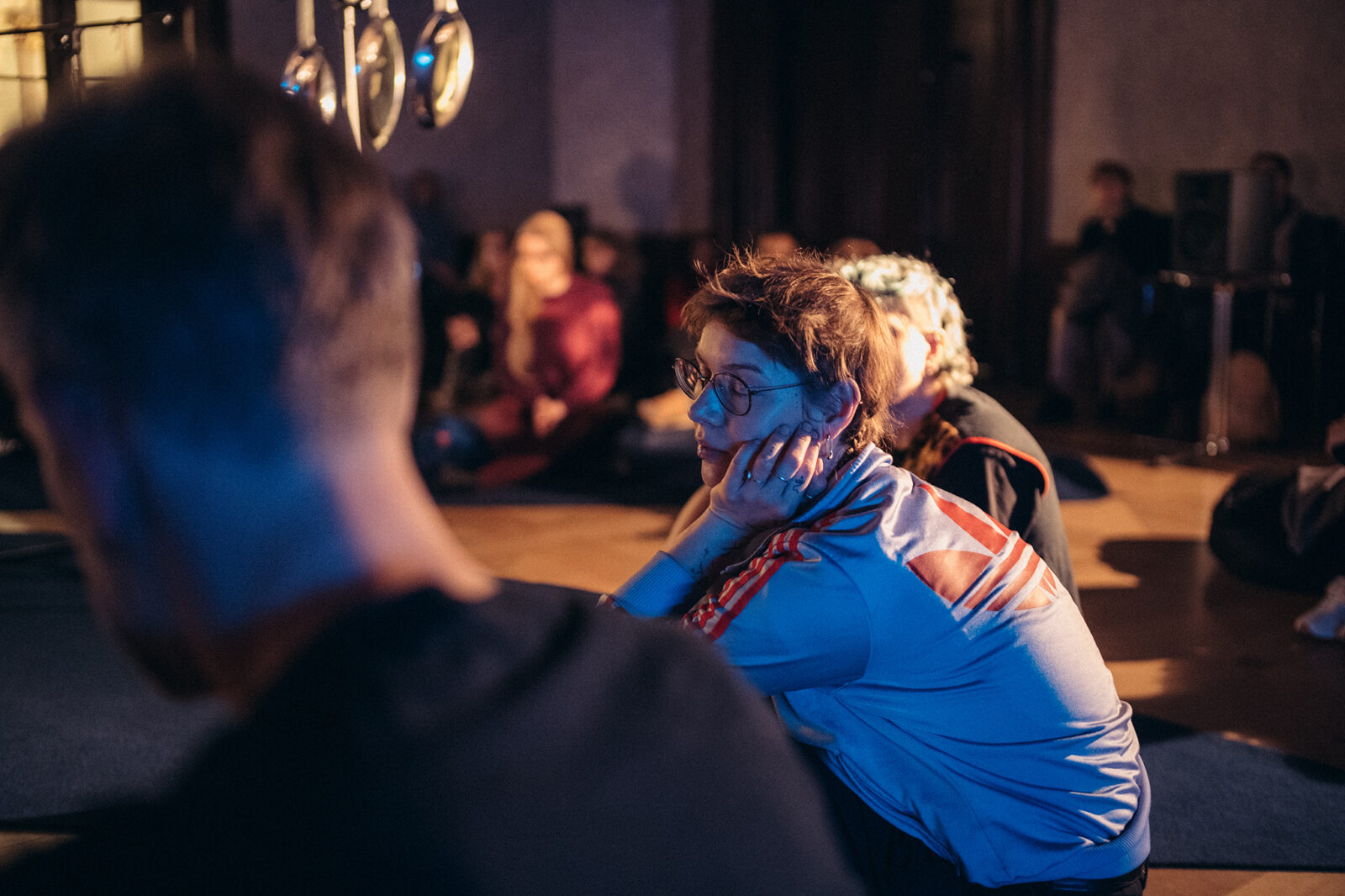
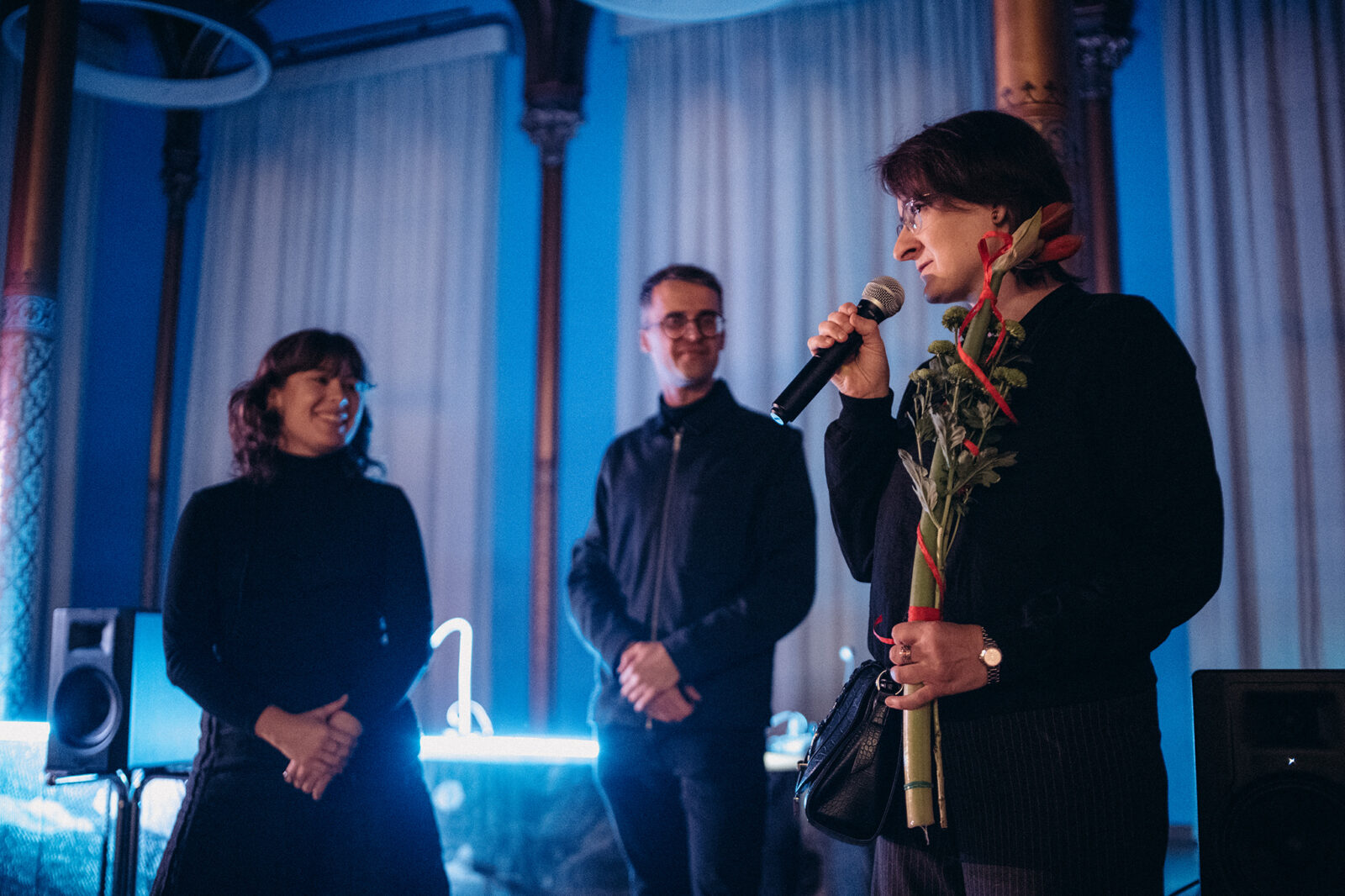
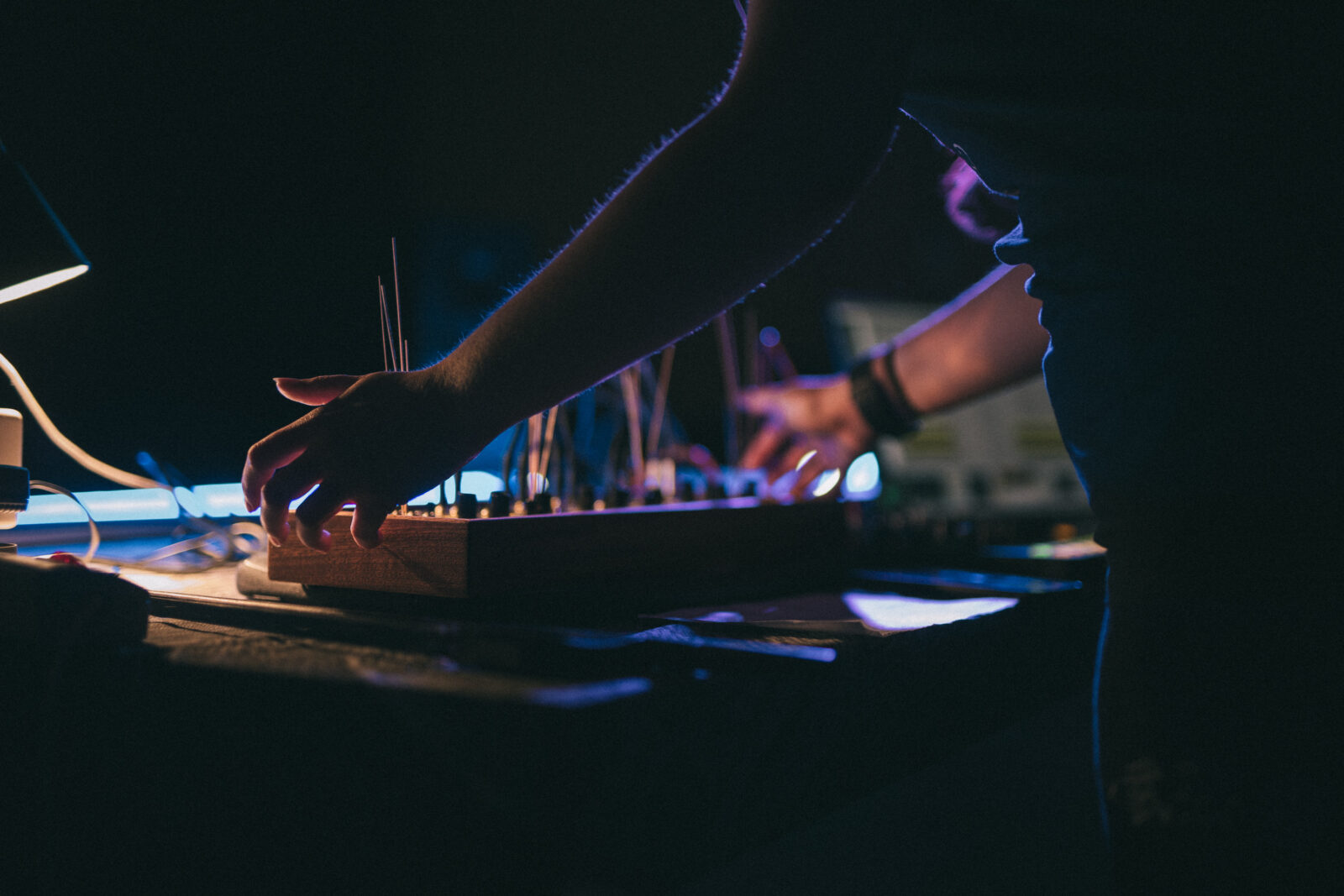
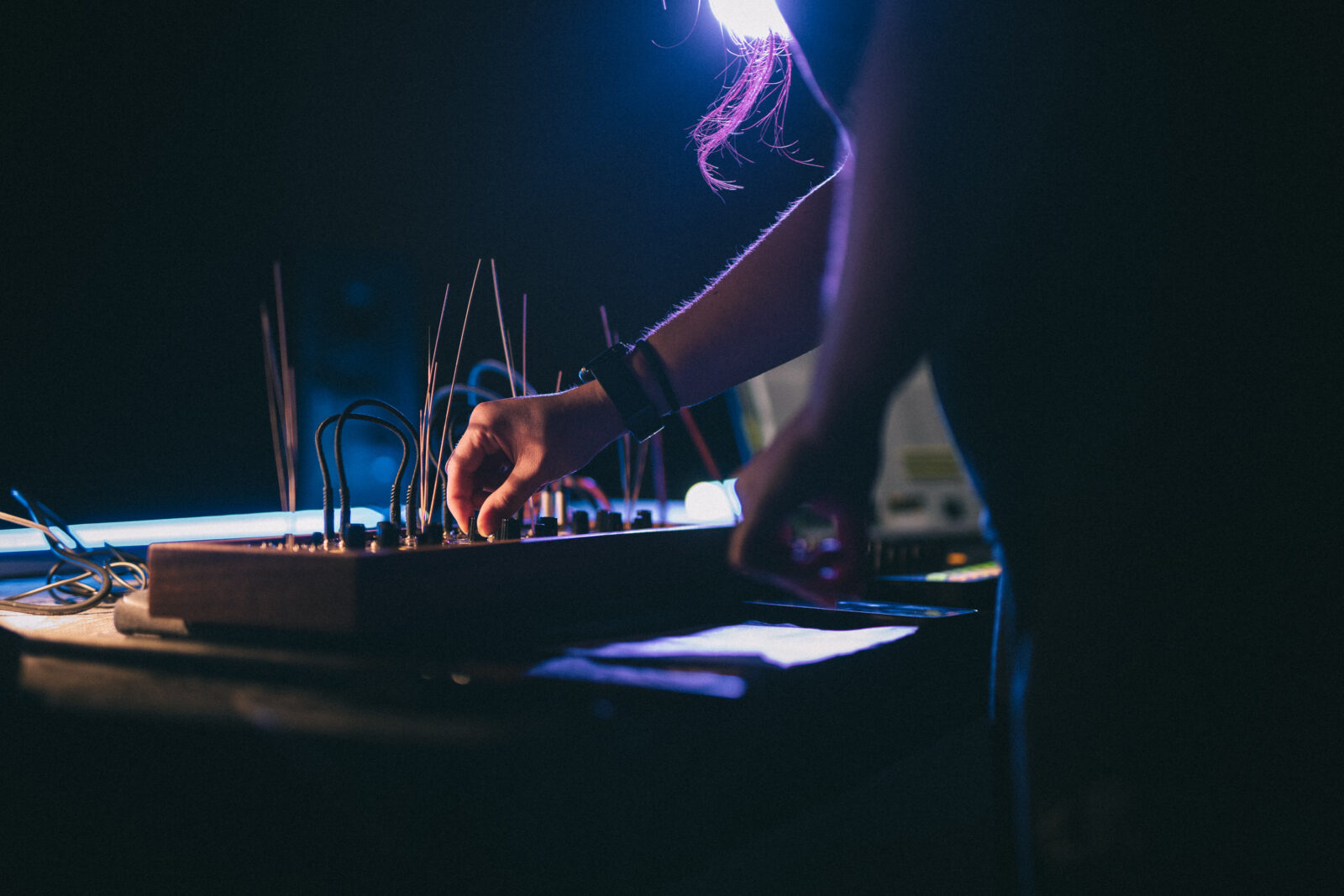
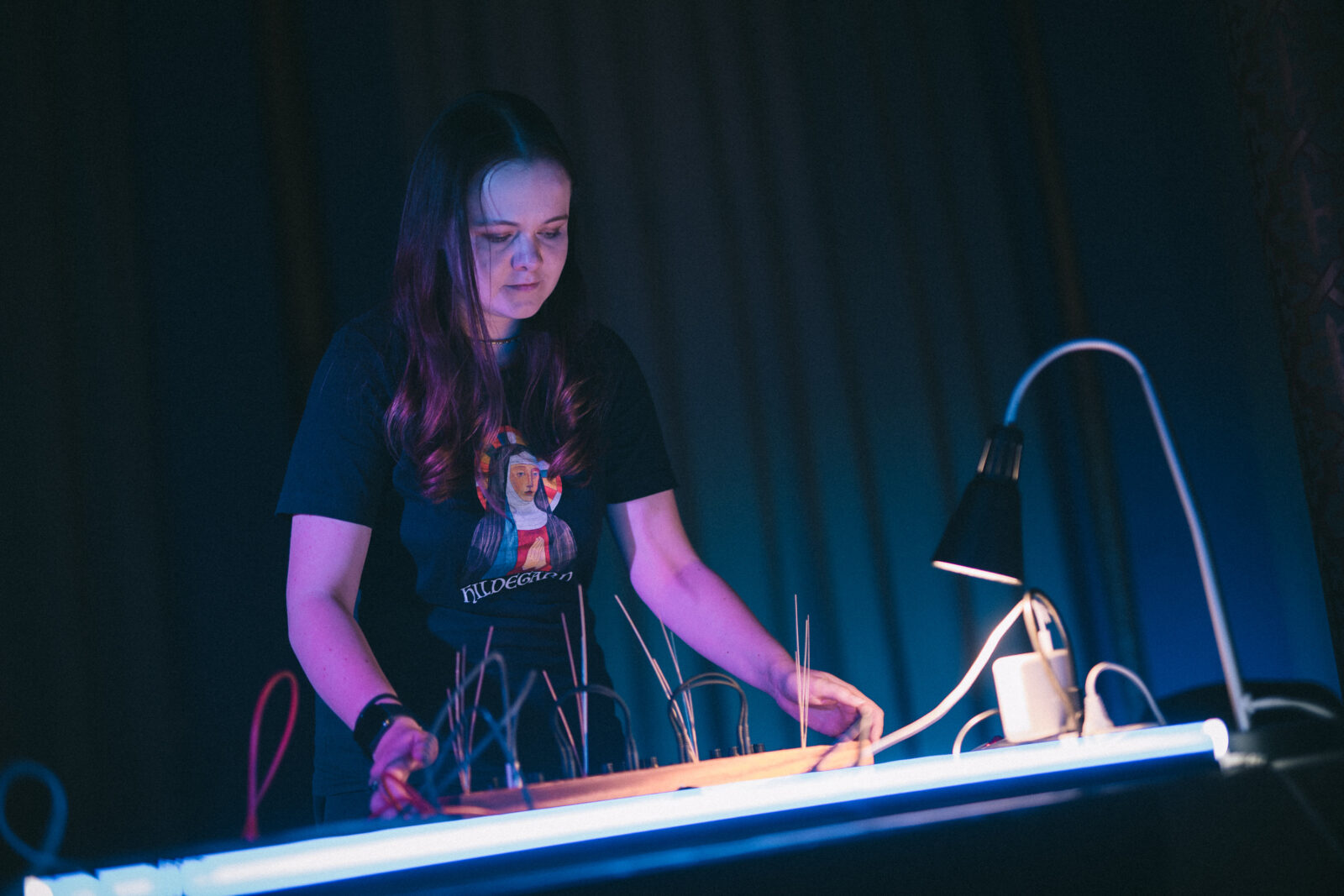
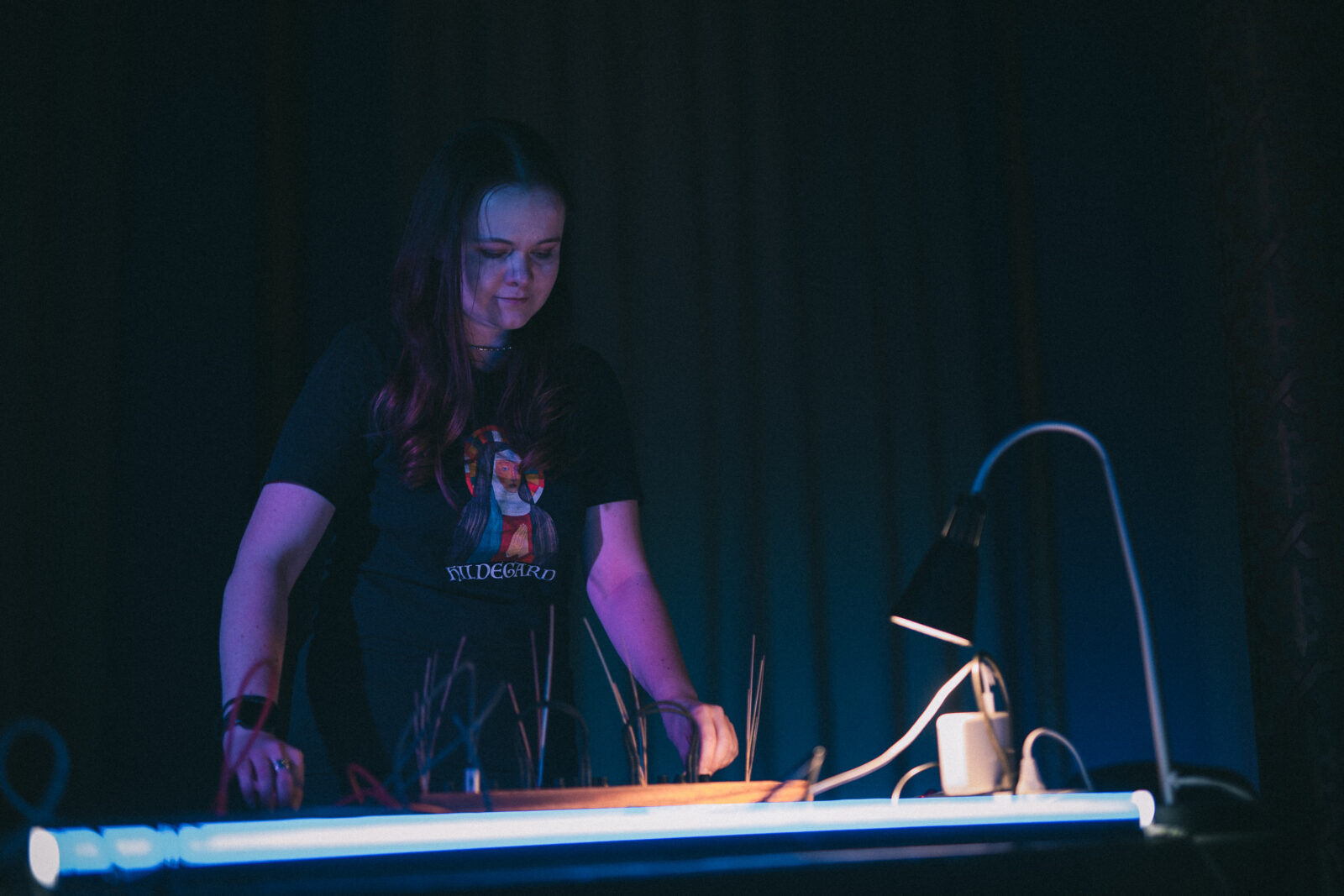
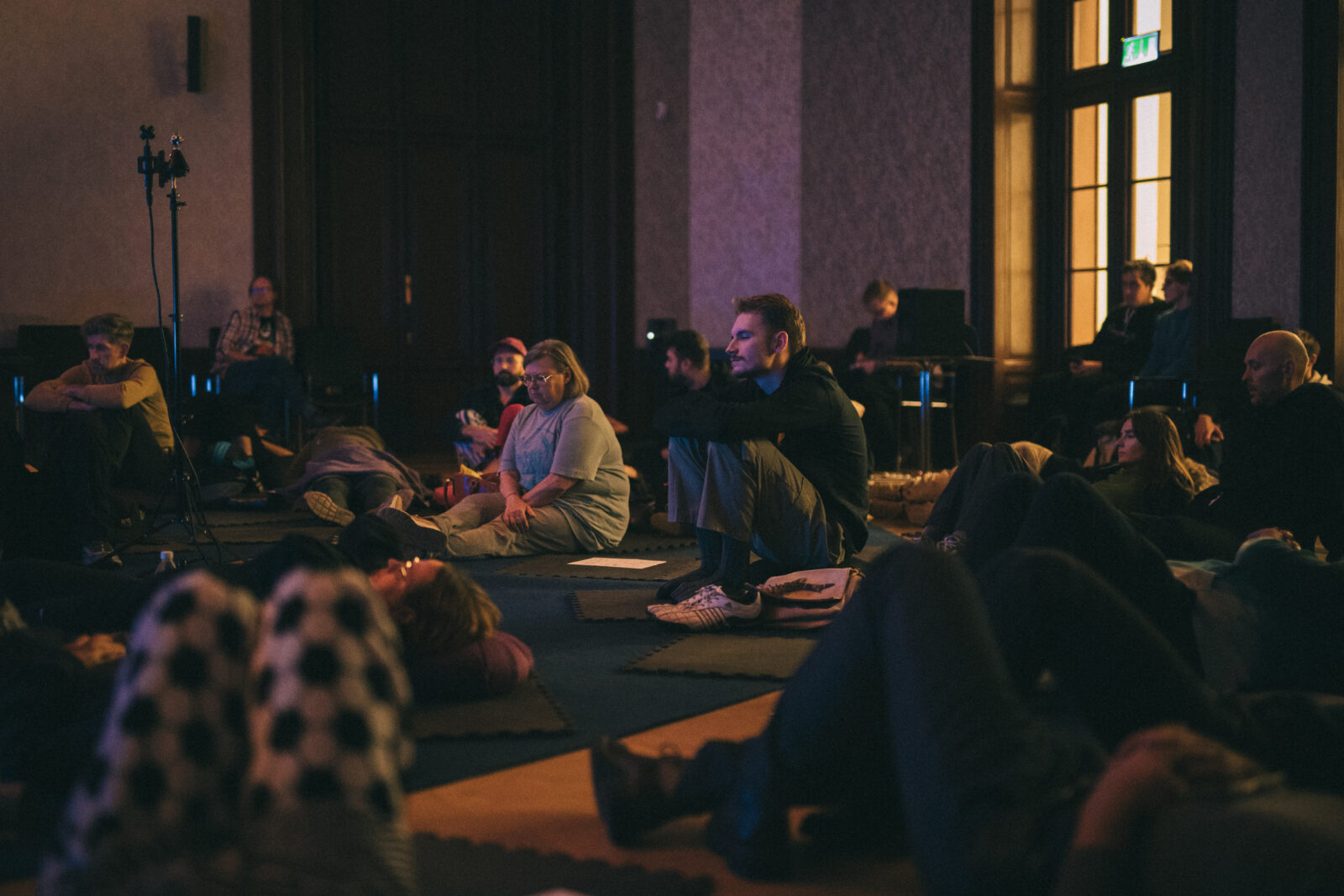
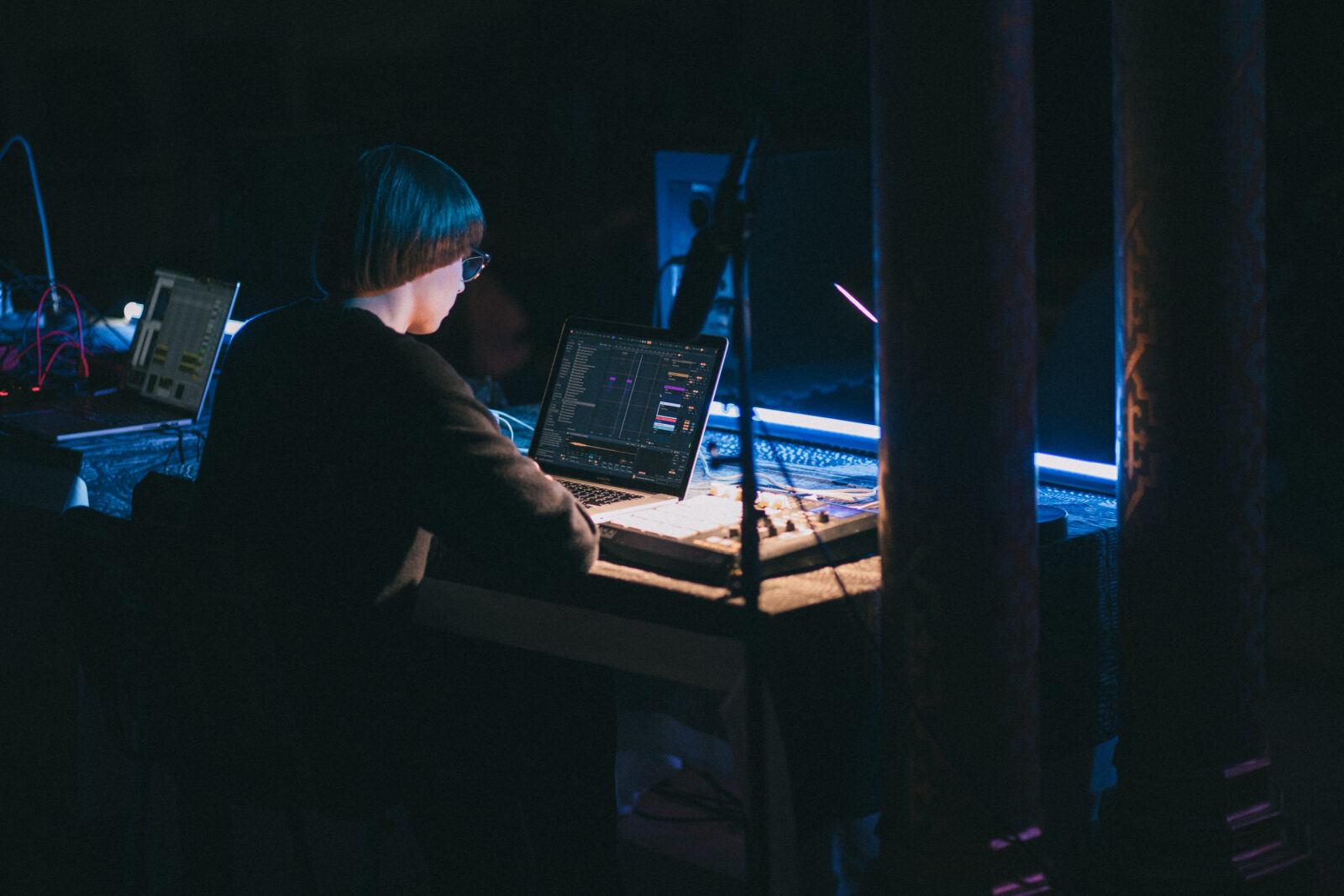
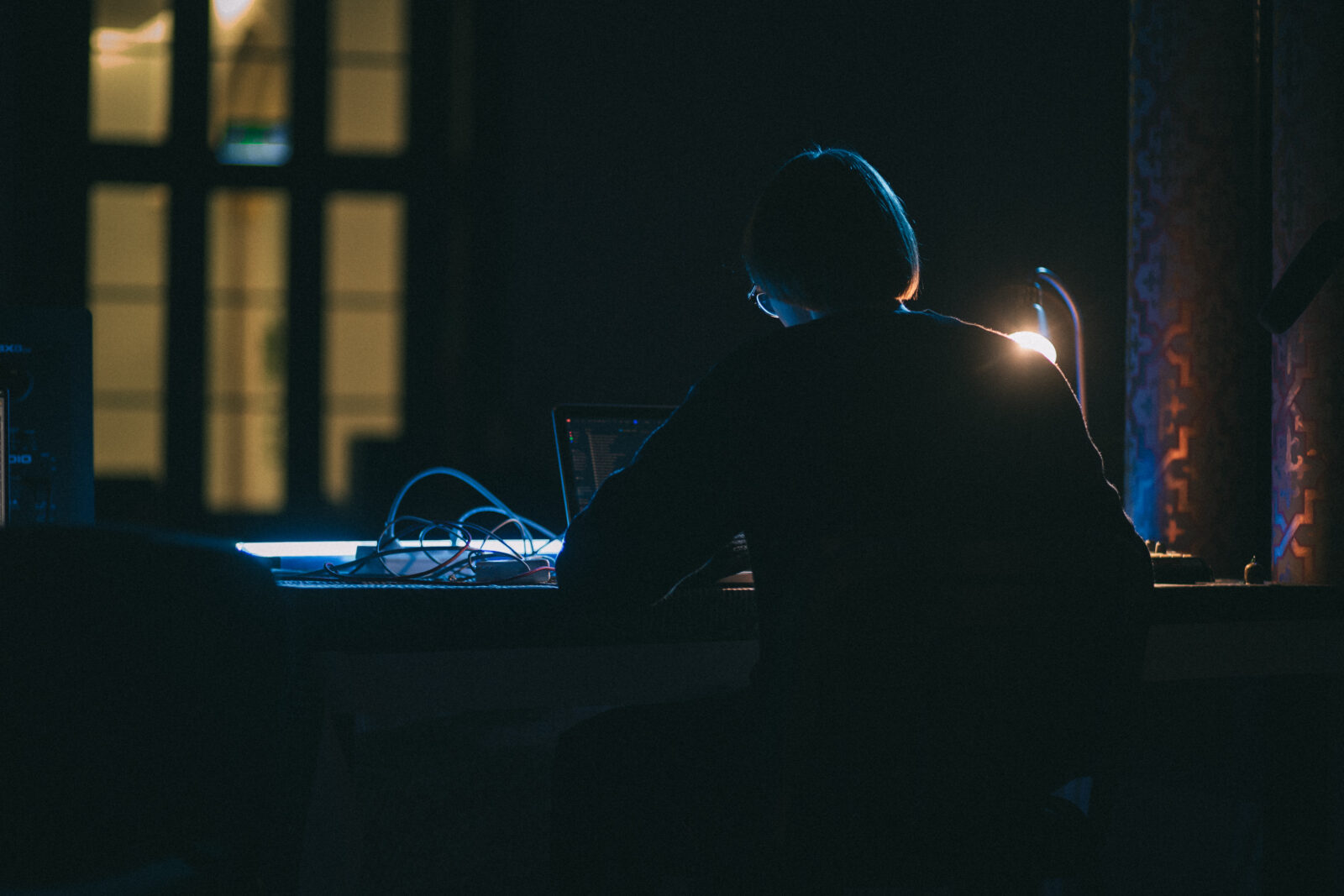
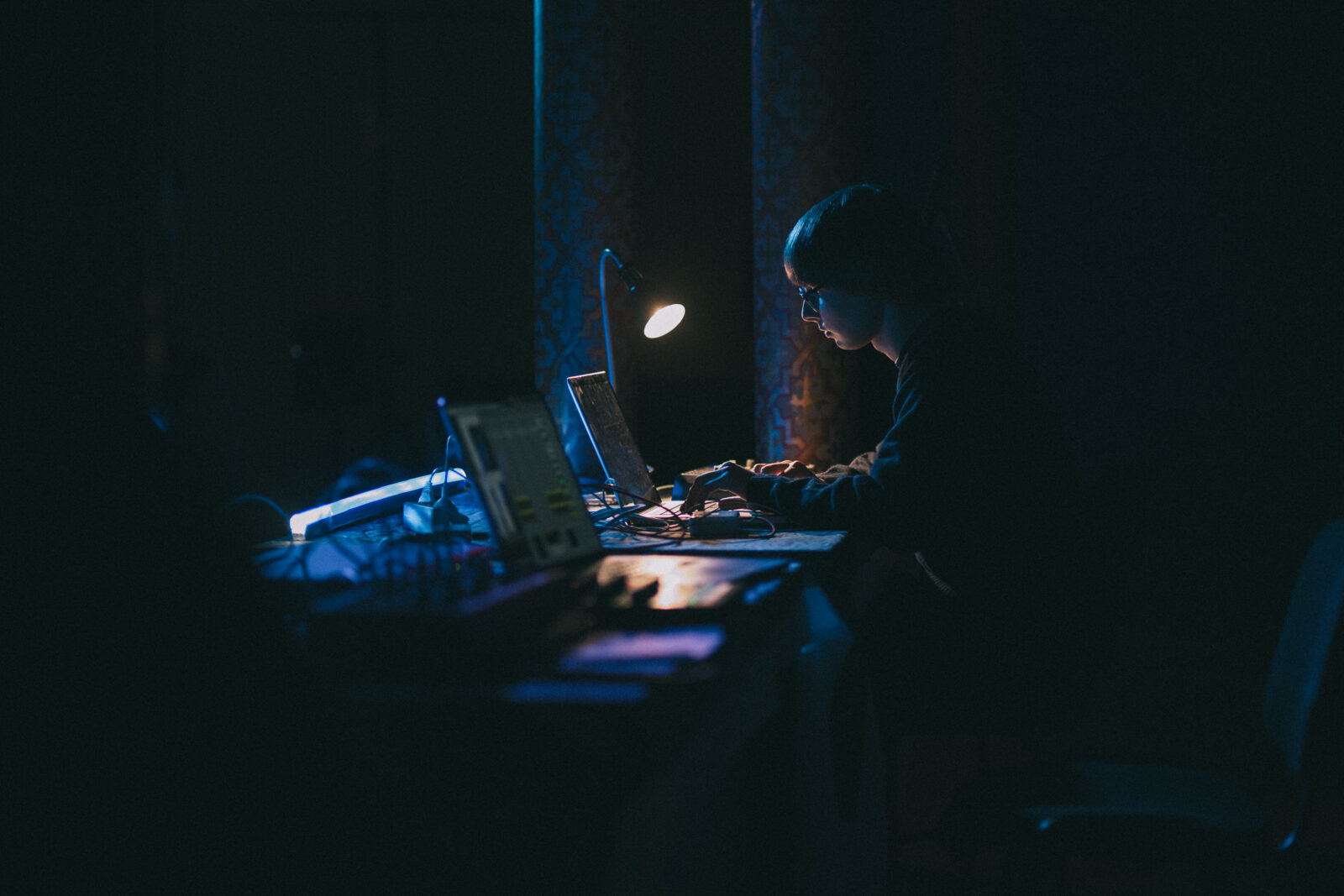
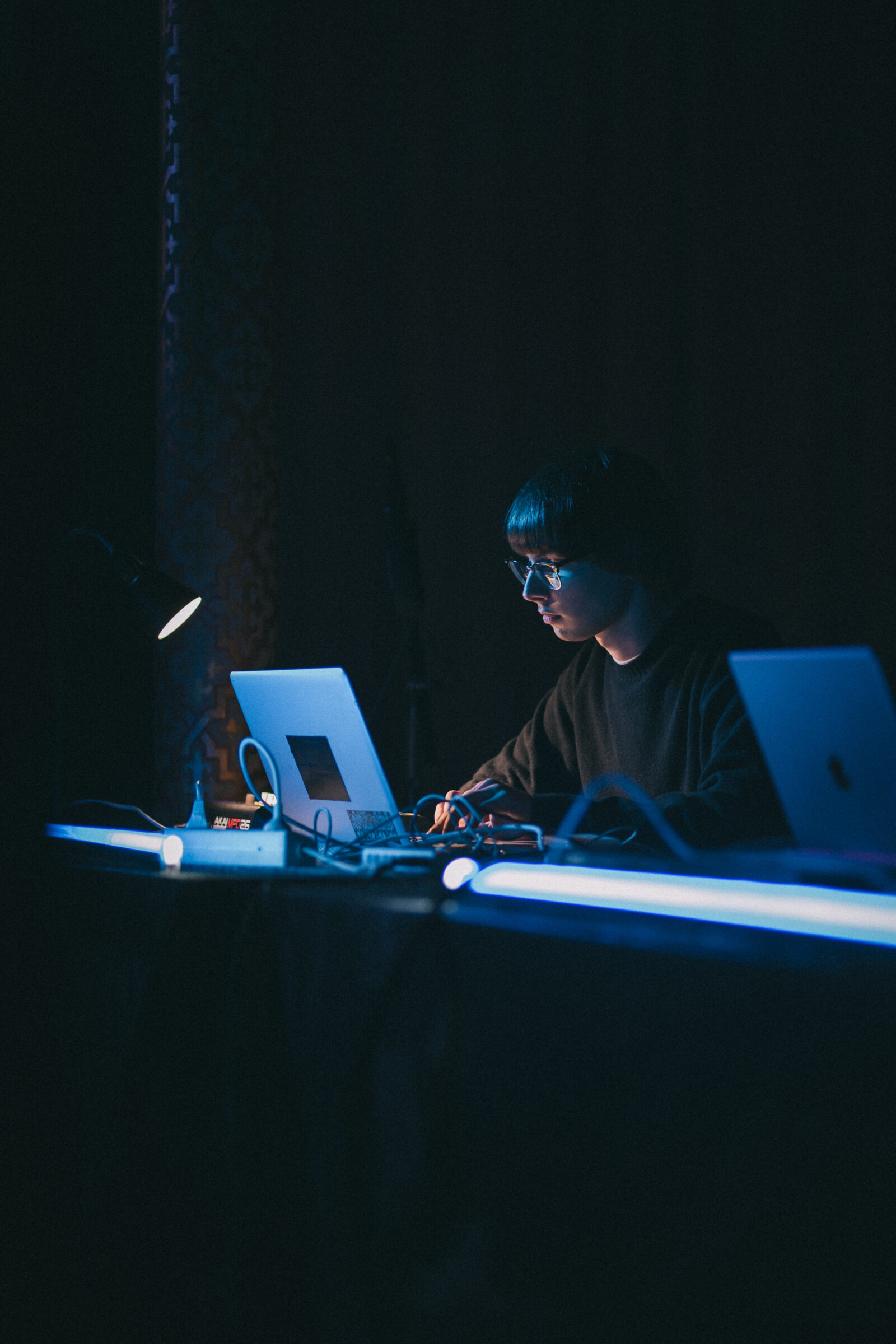
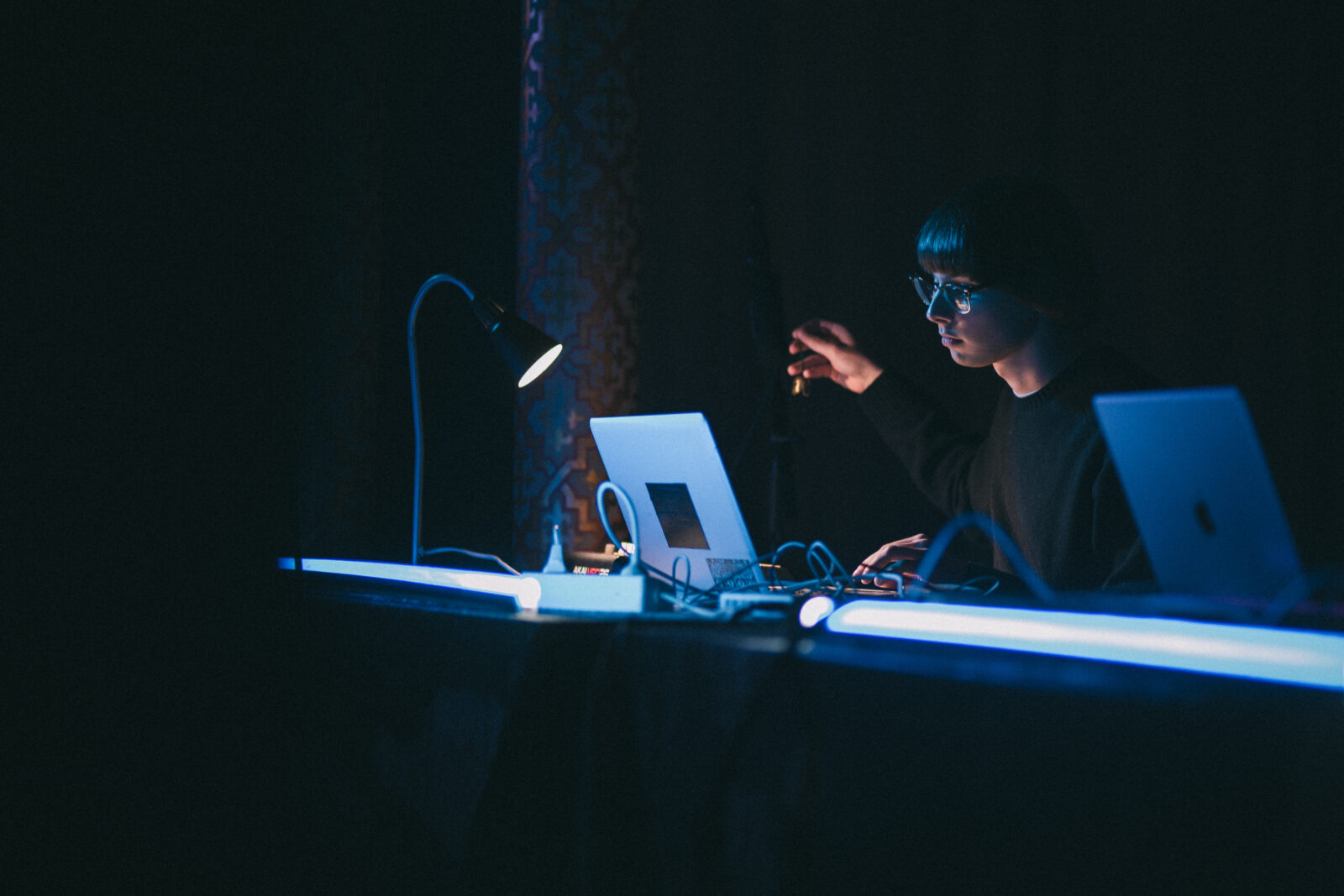
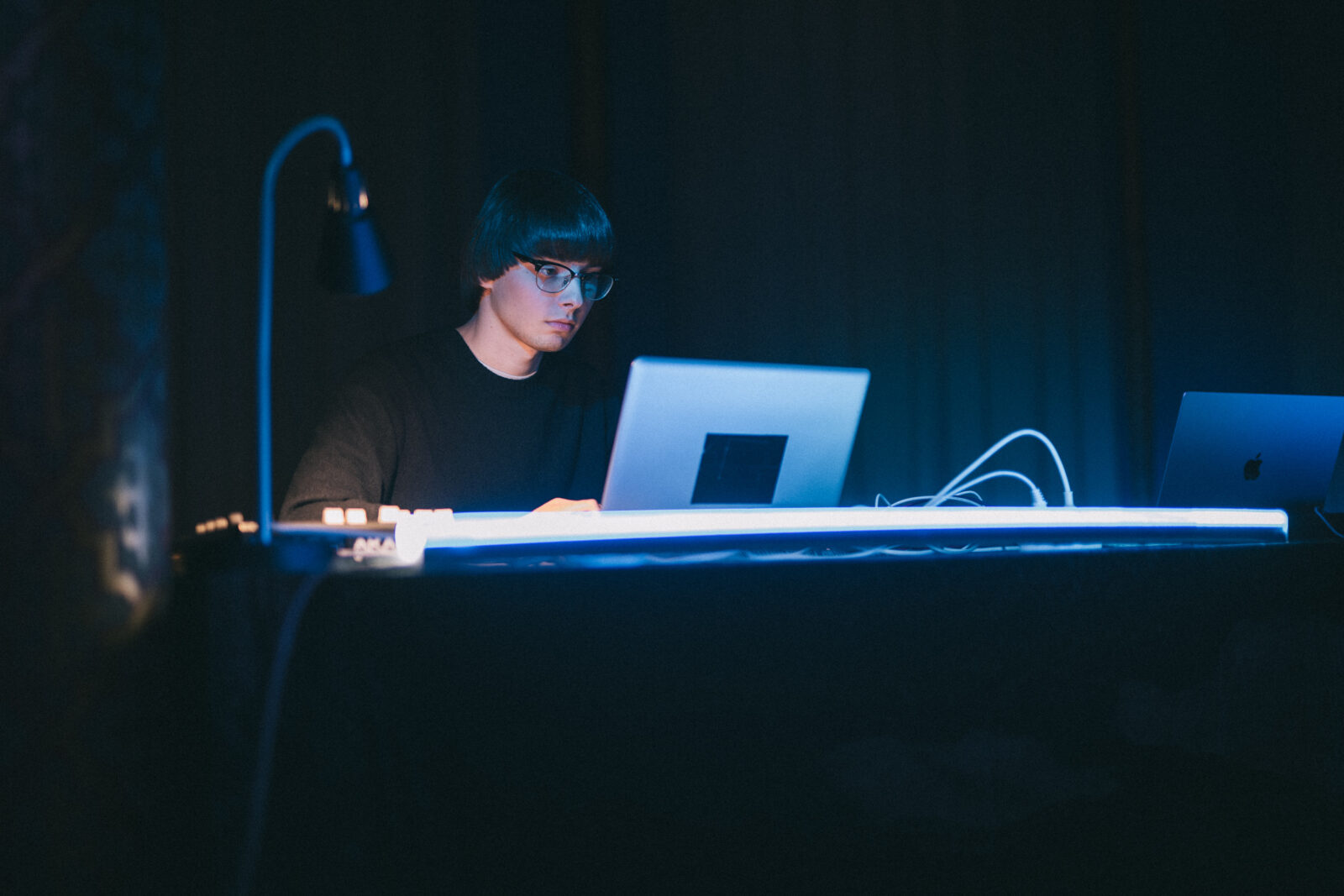
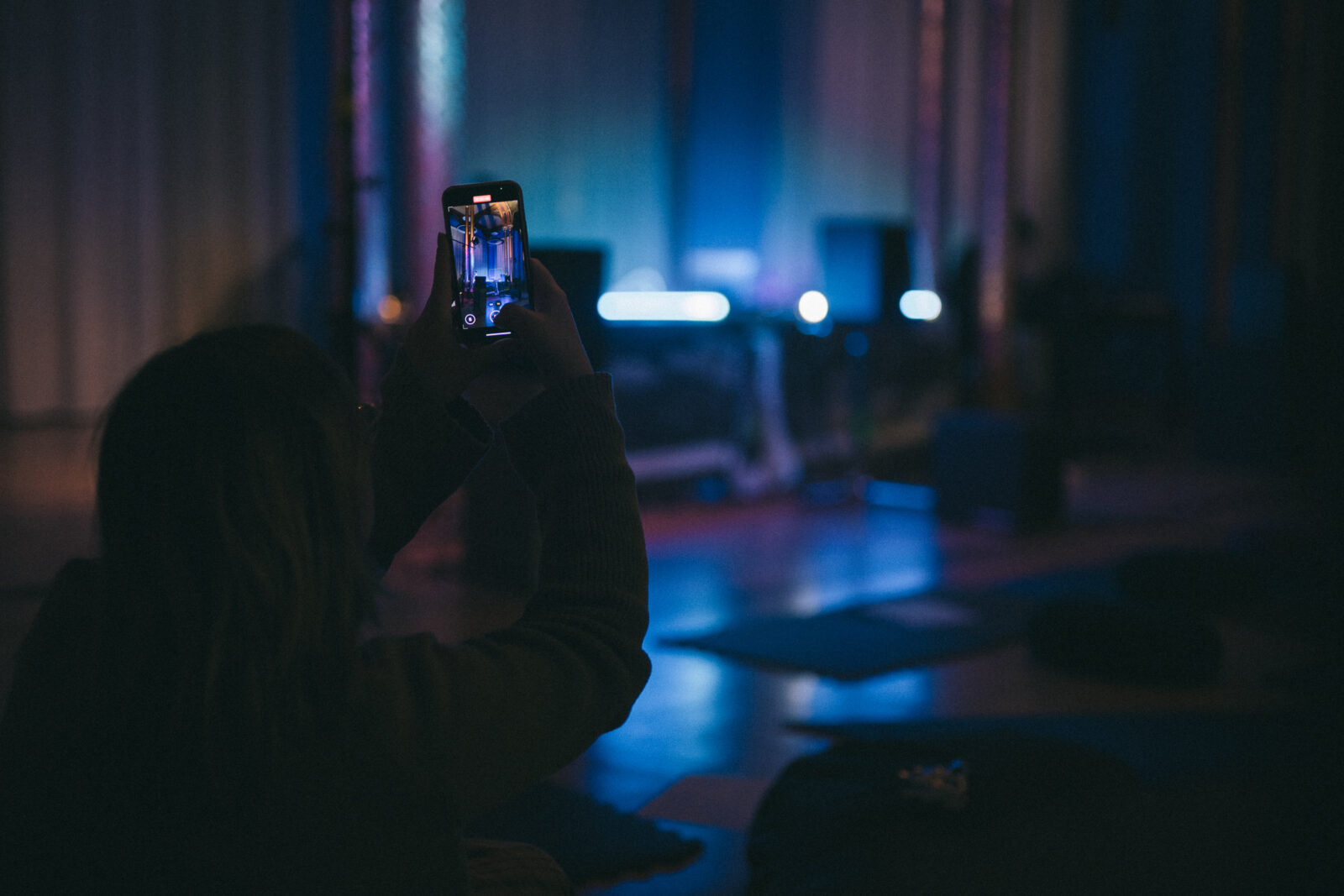
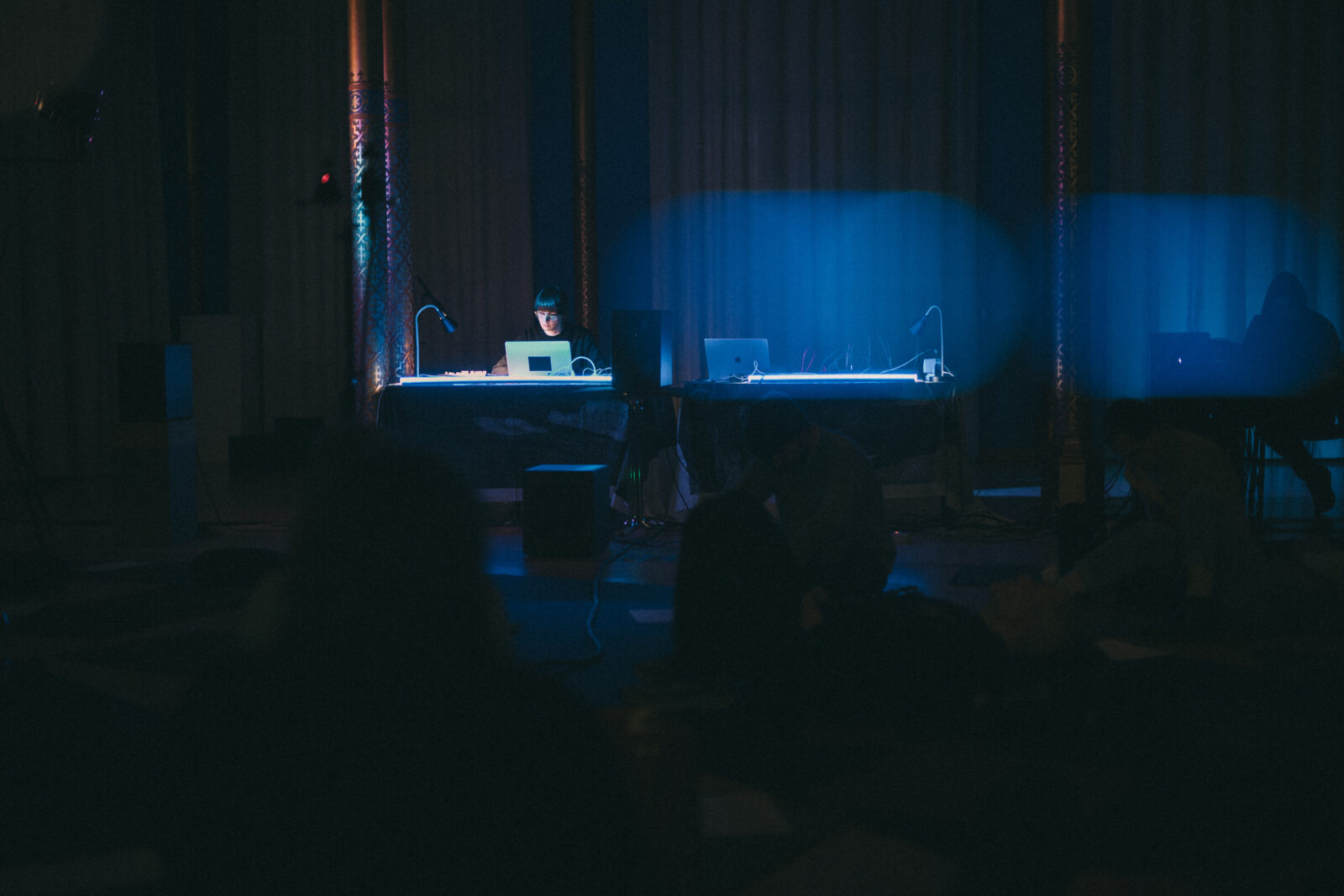
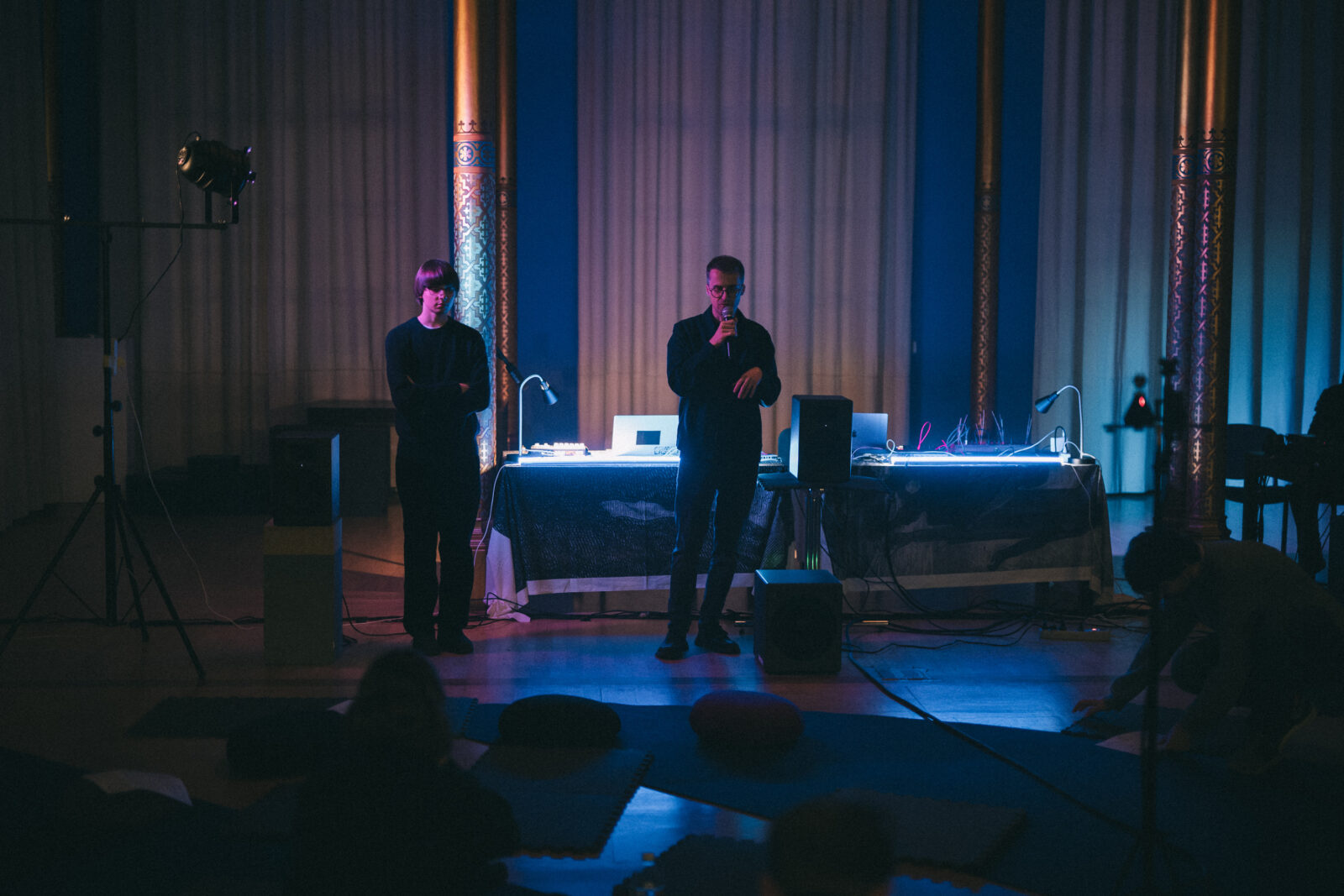
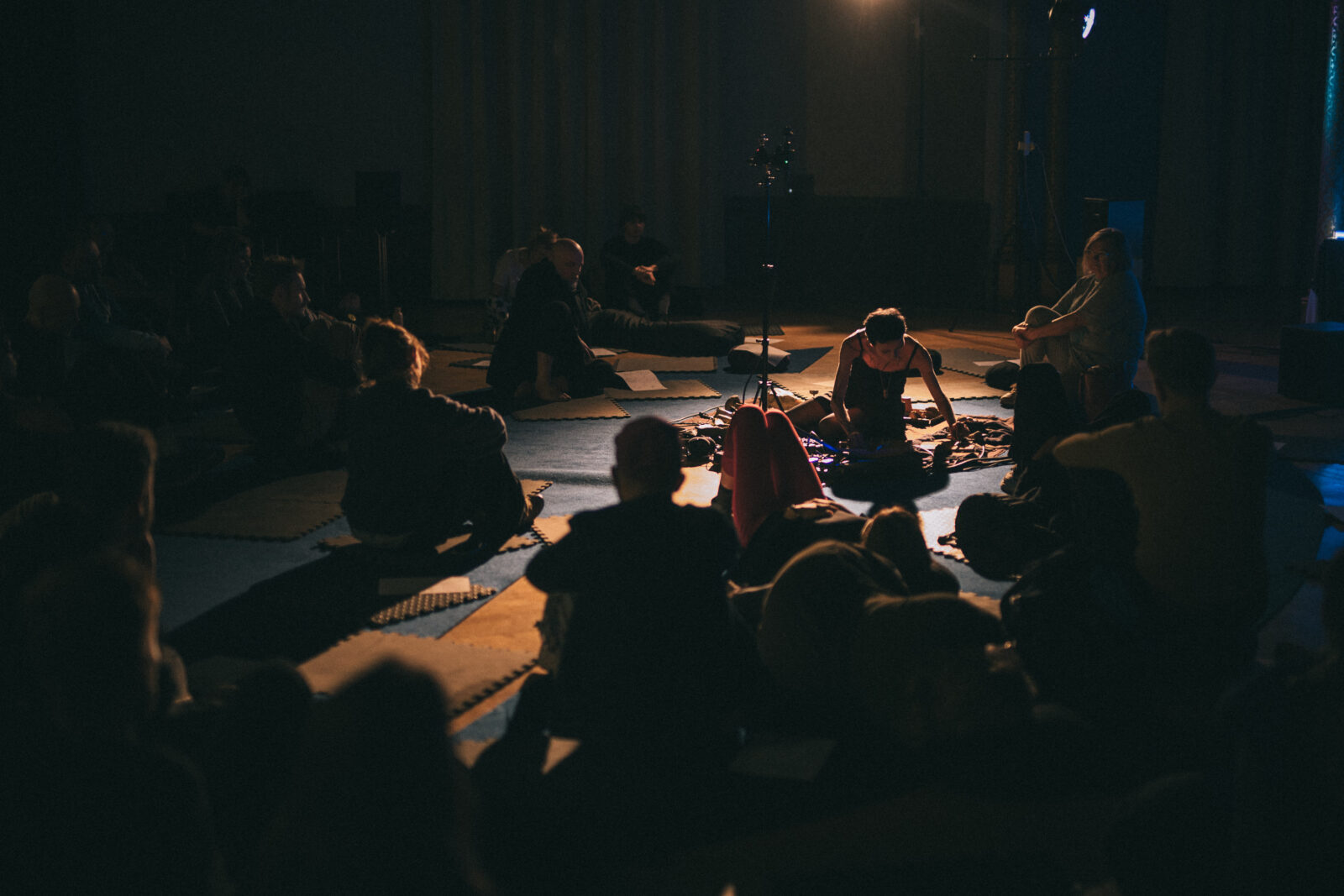
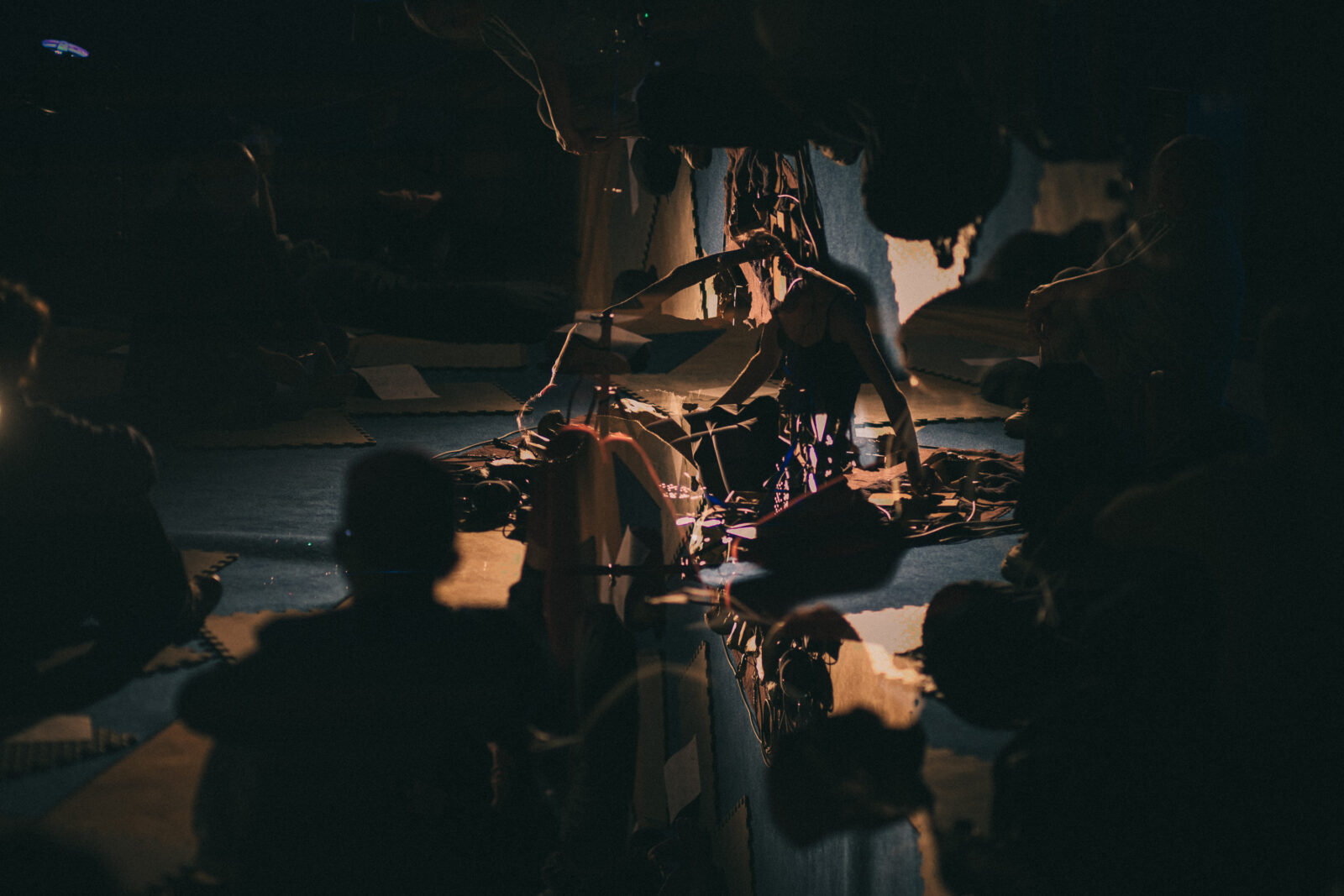
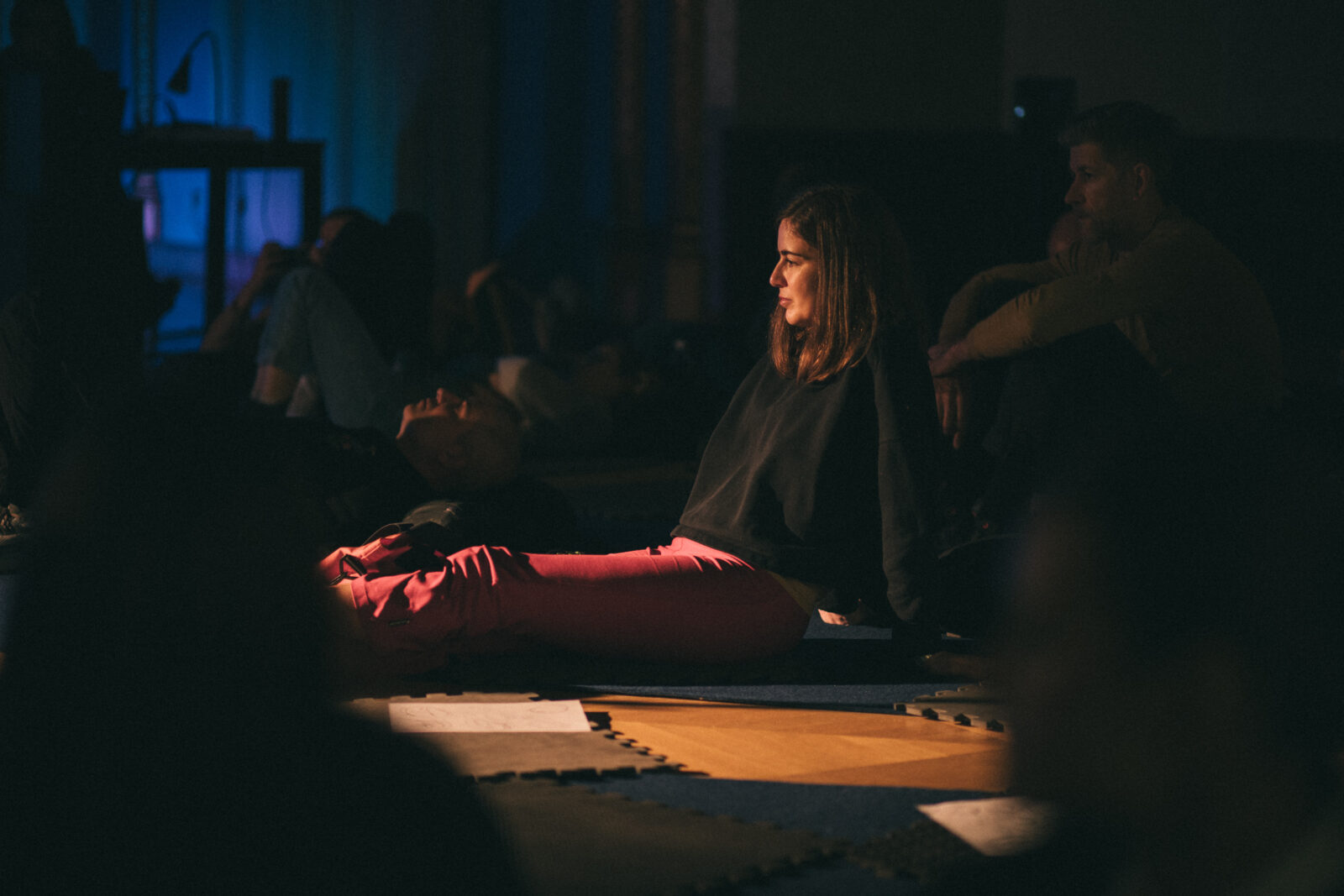
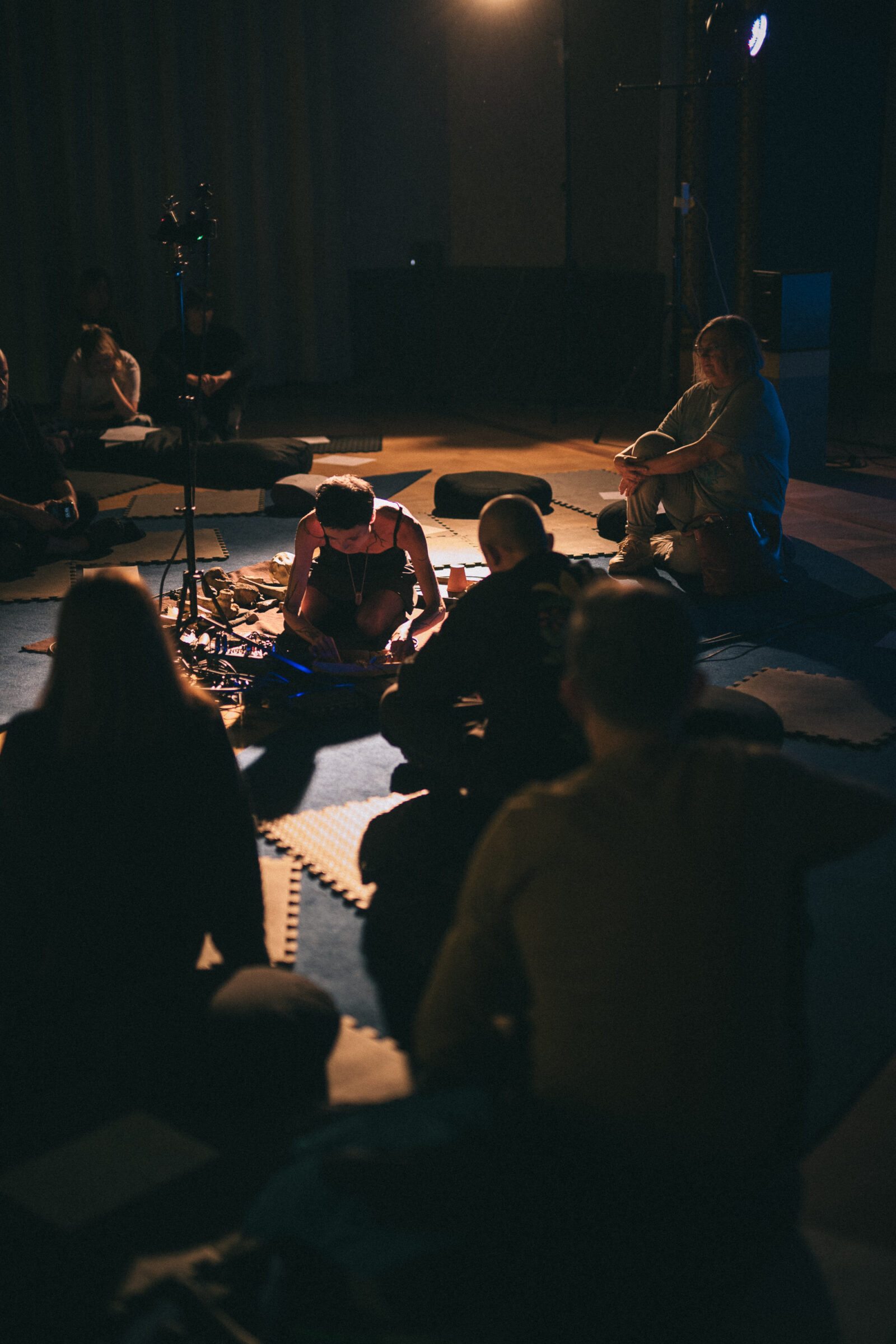
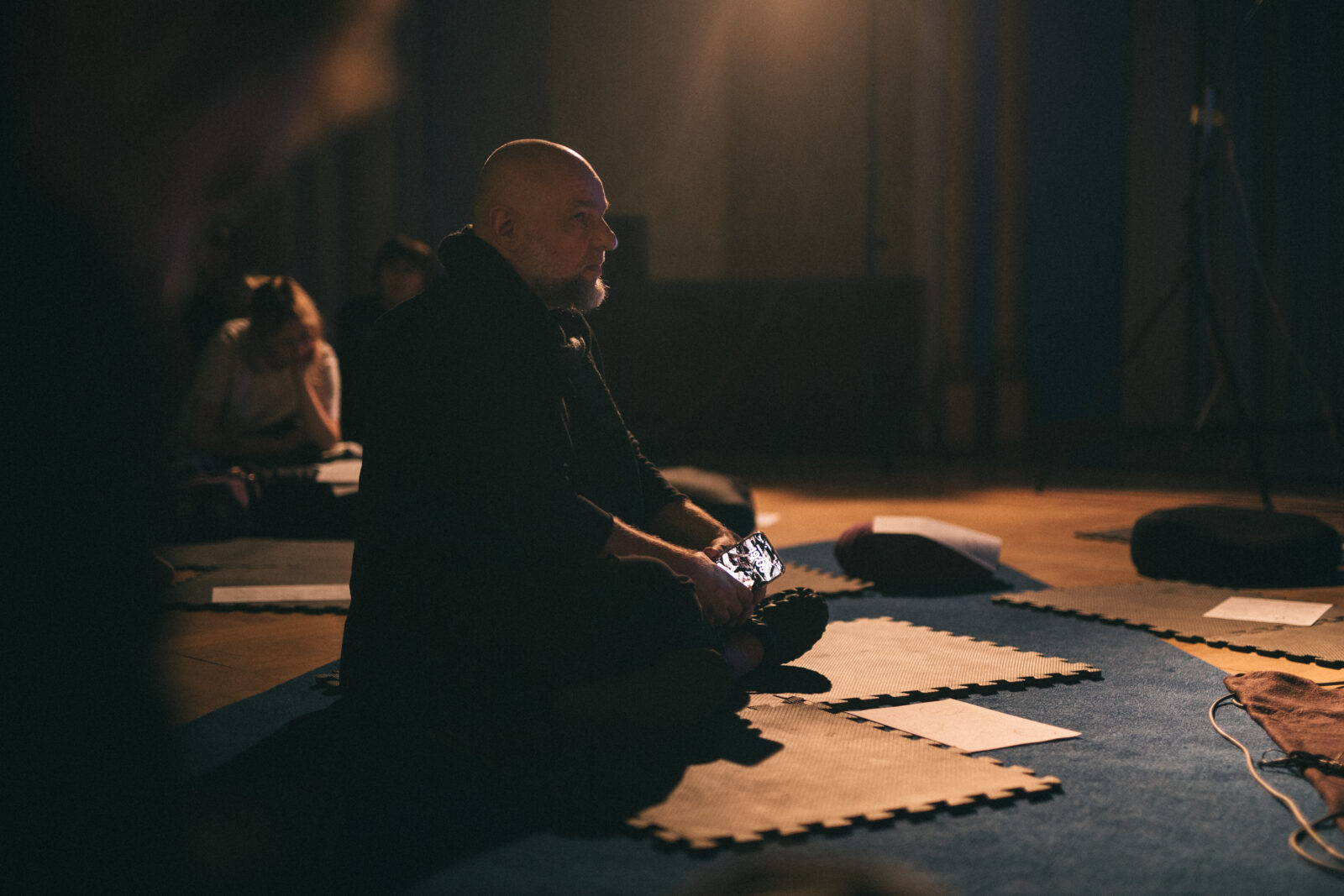
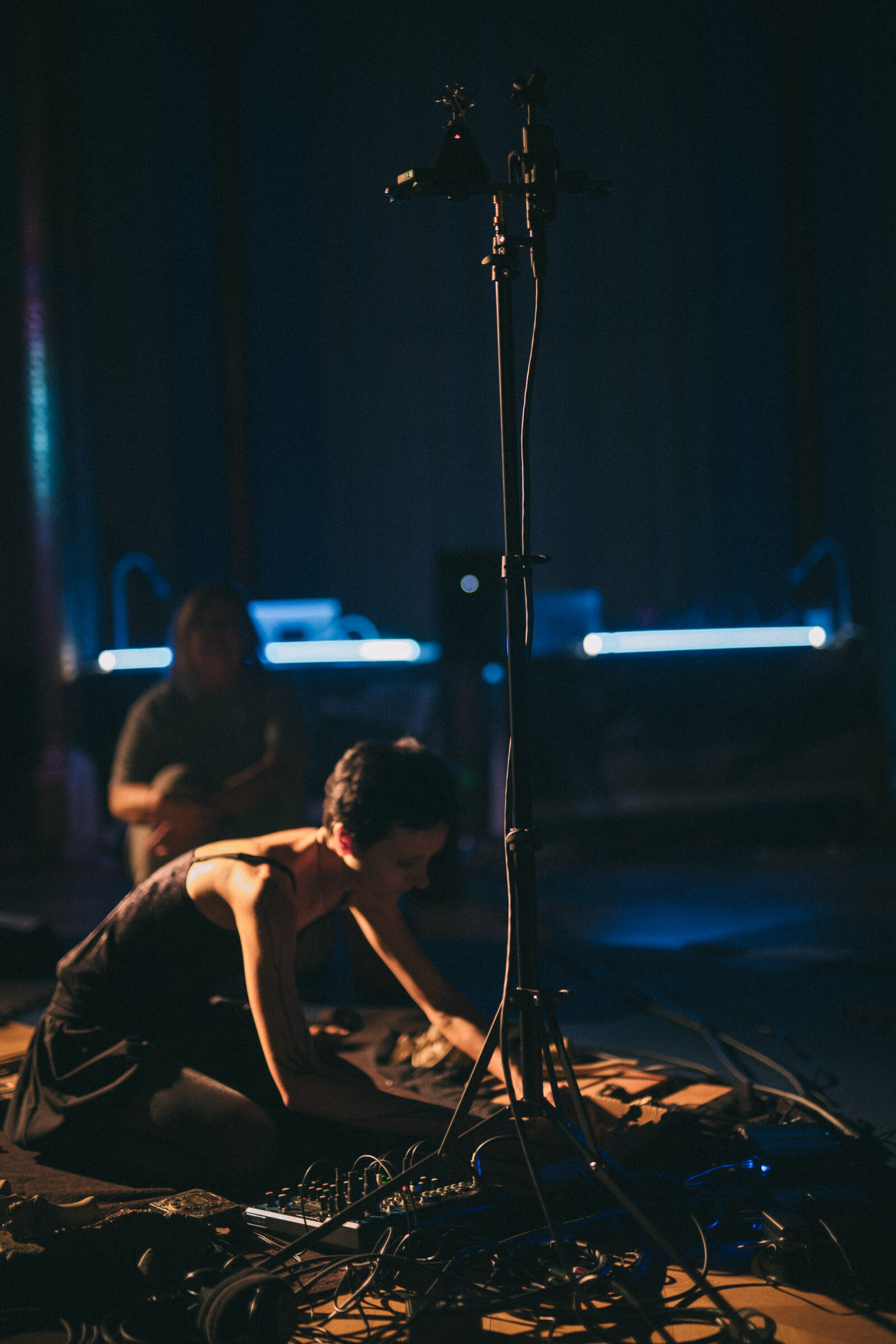
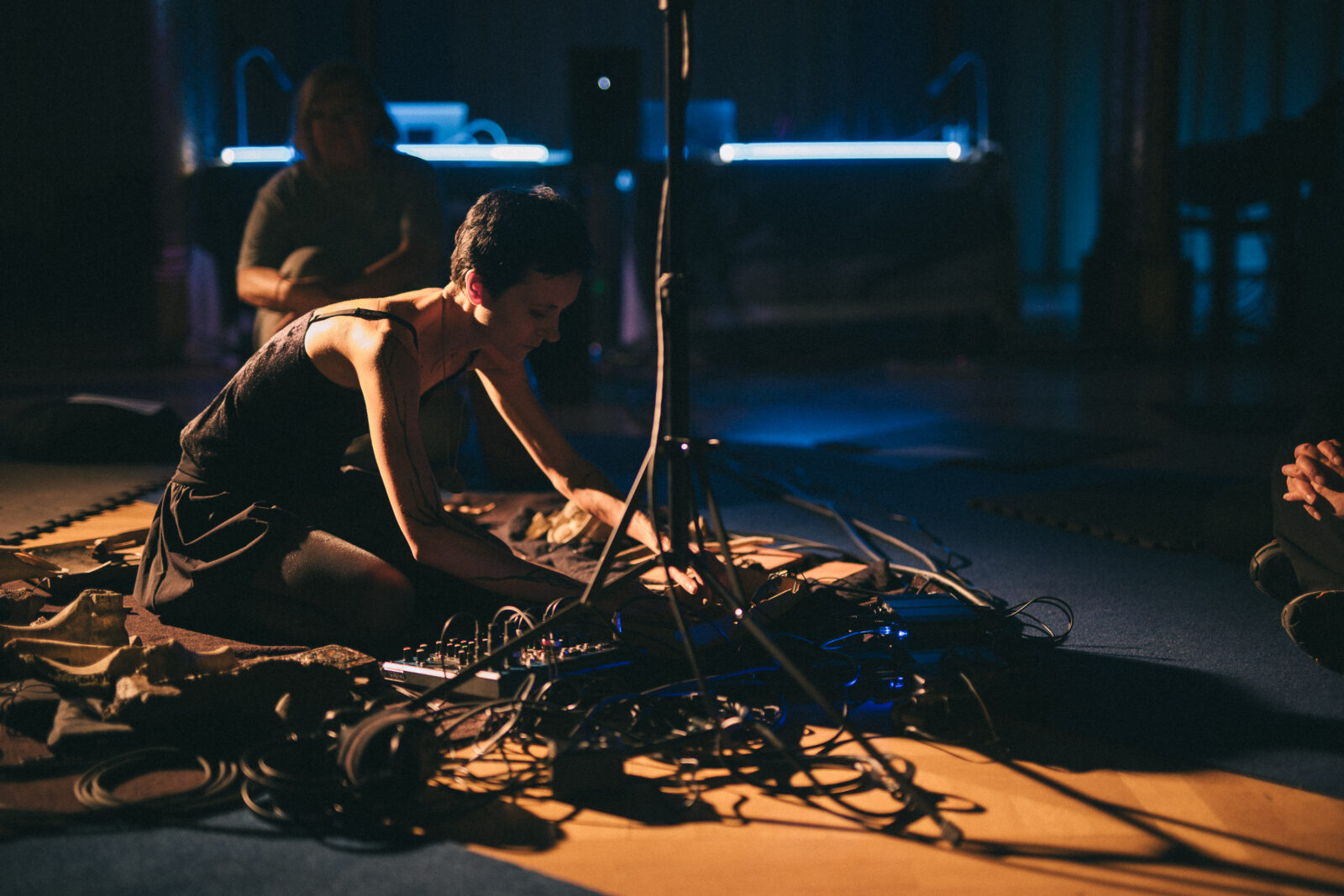
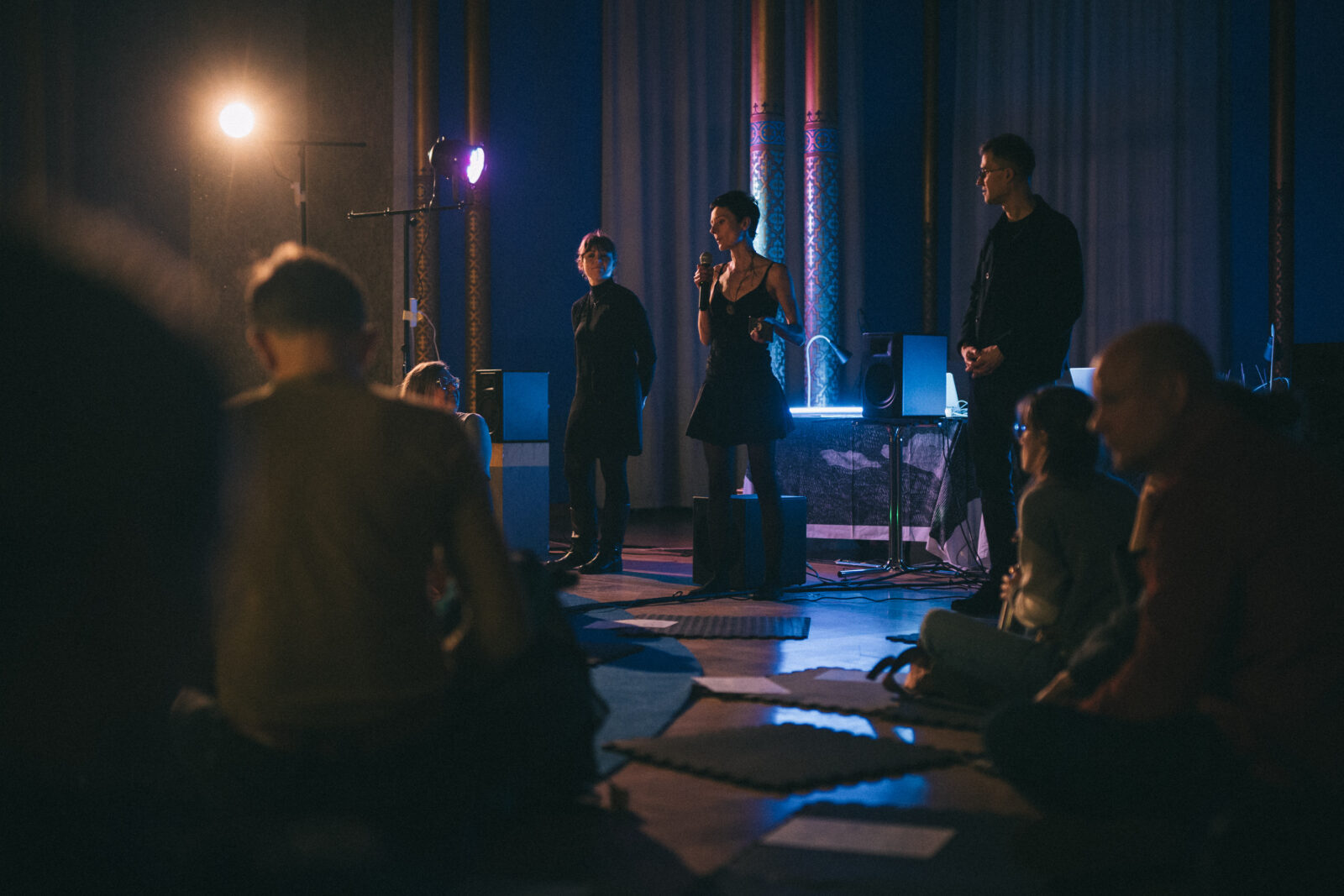
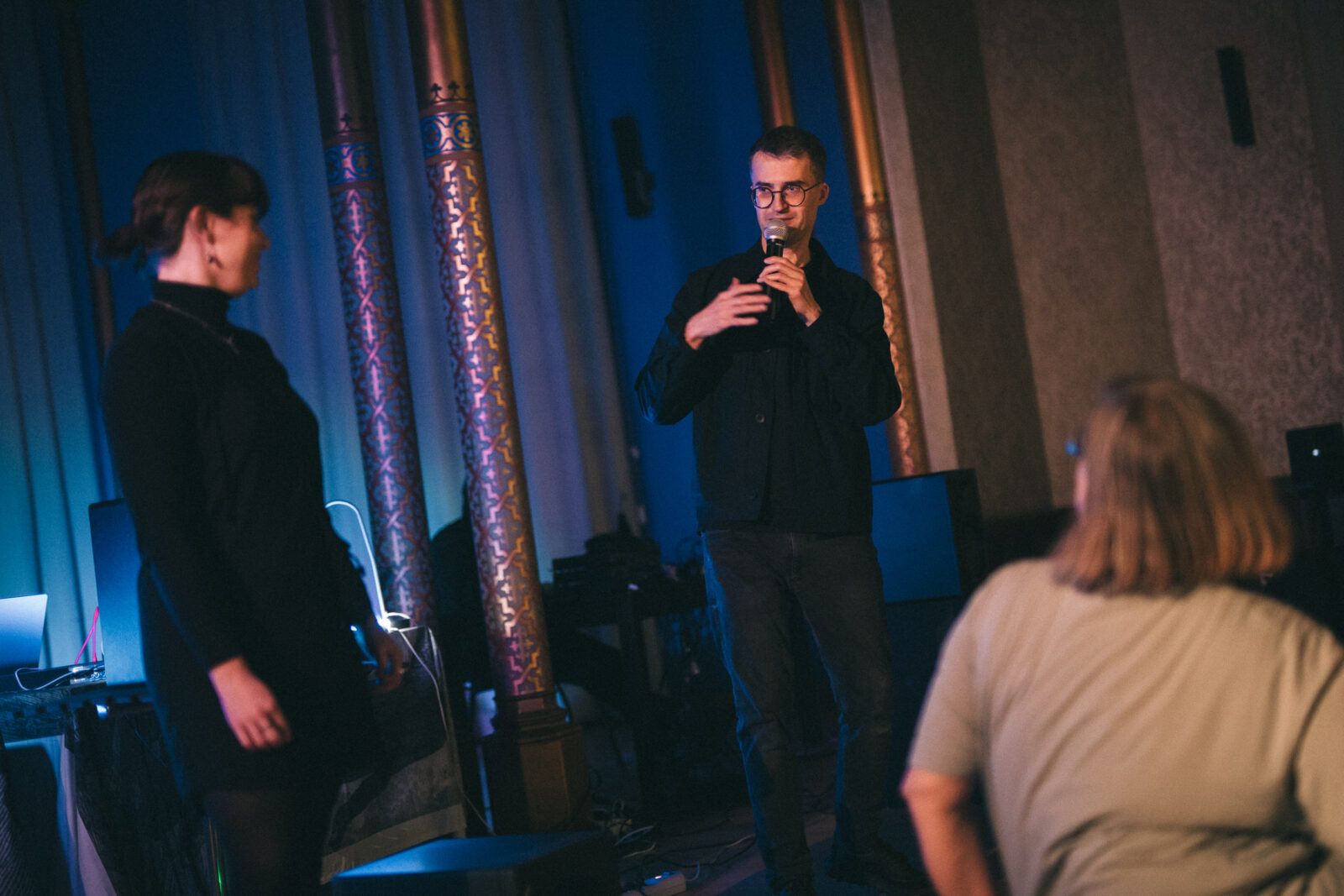
Saturday, 11th of October by Wojciech Chrubasik
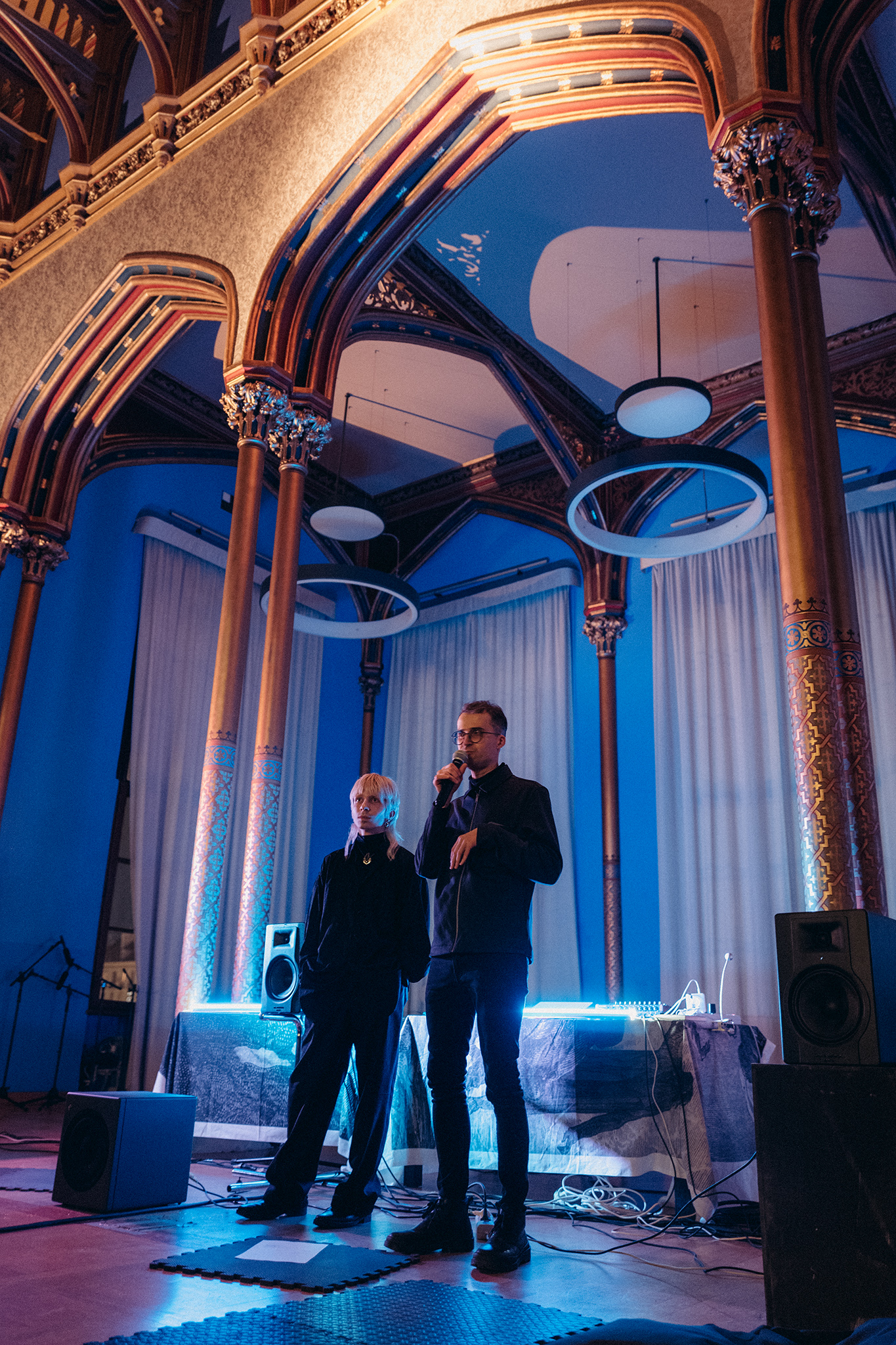
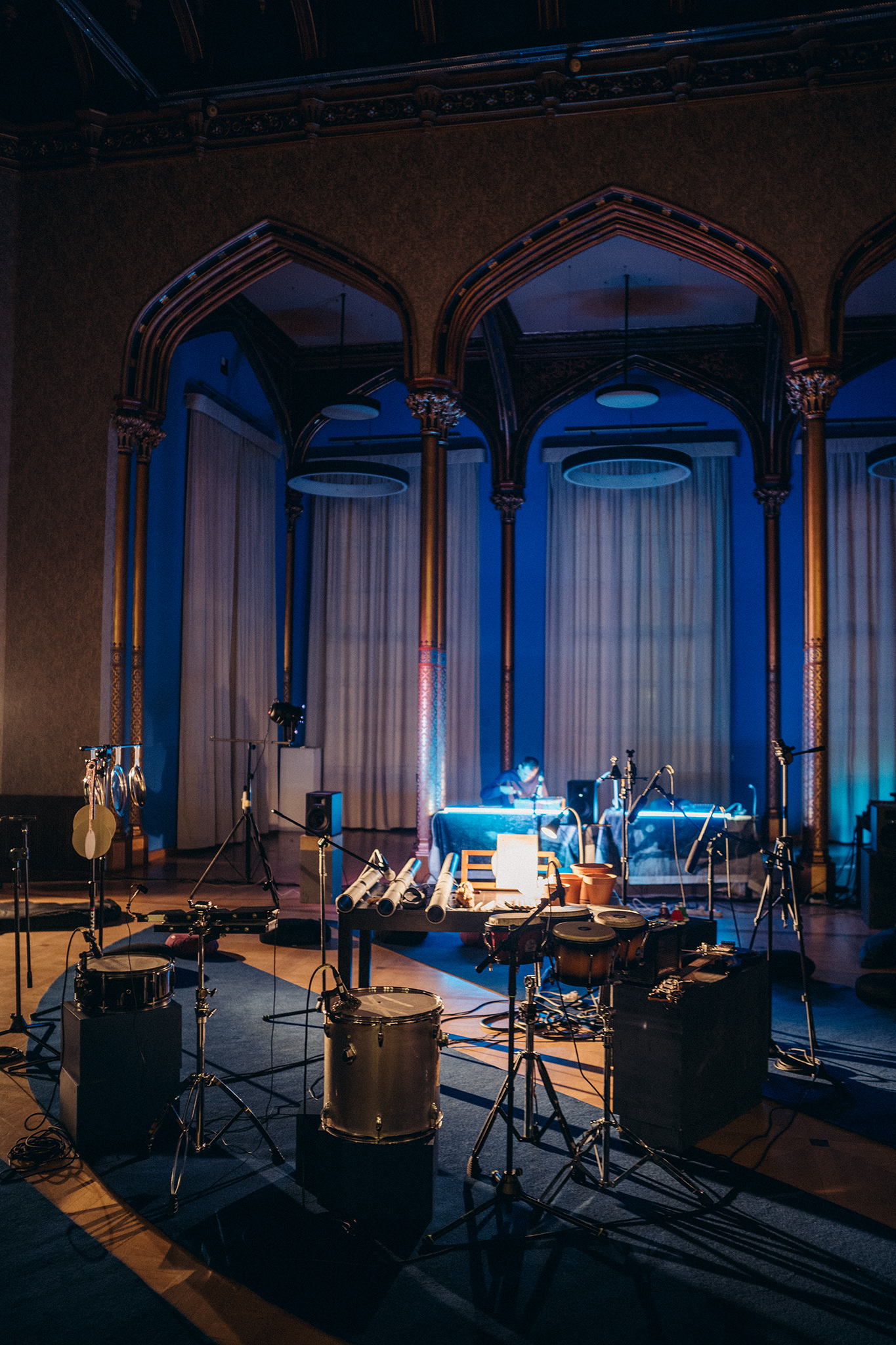
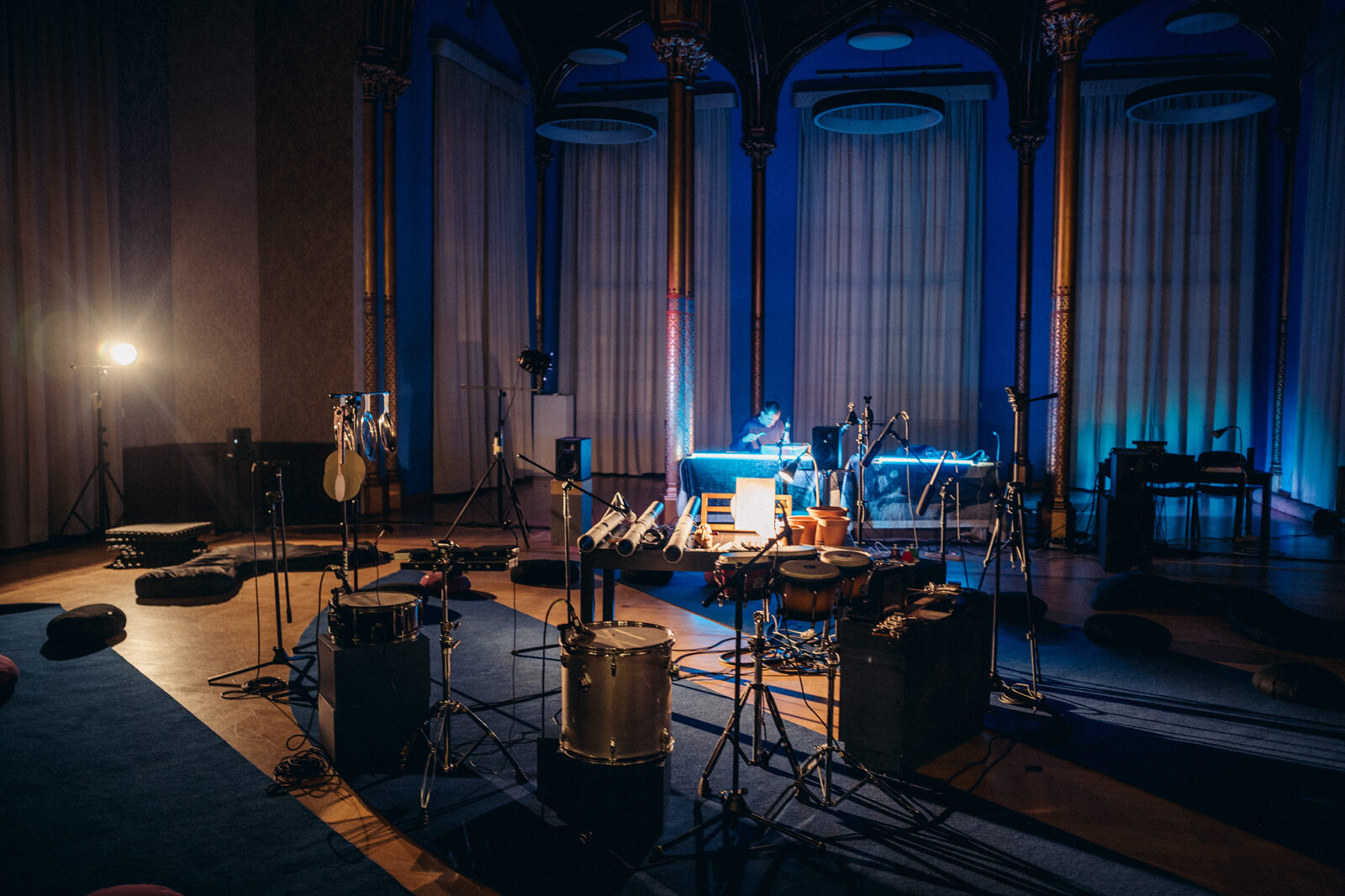
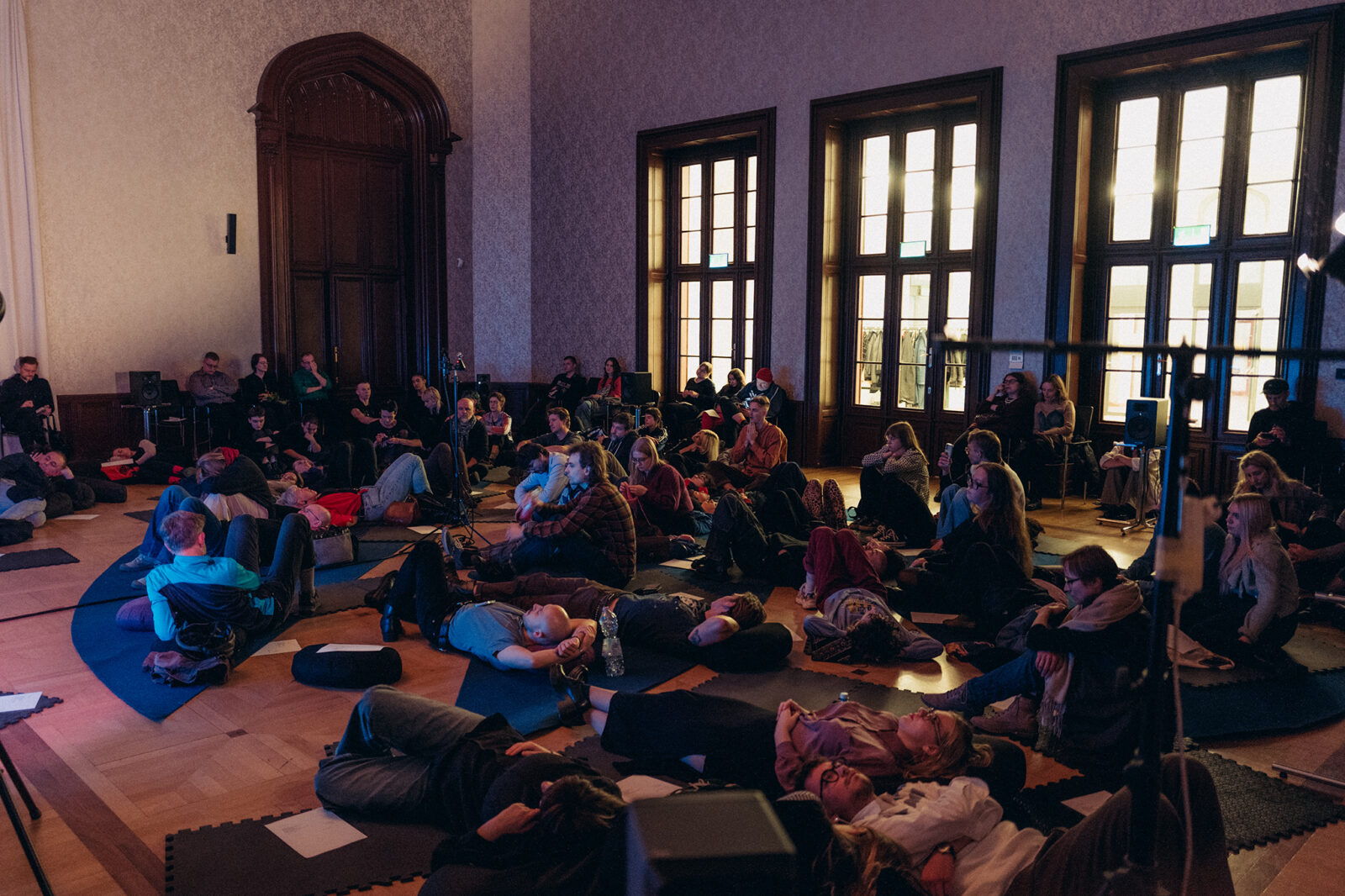

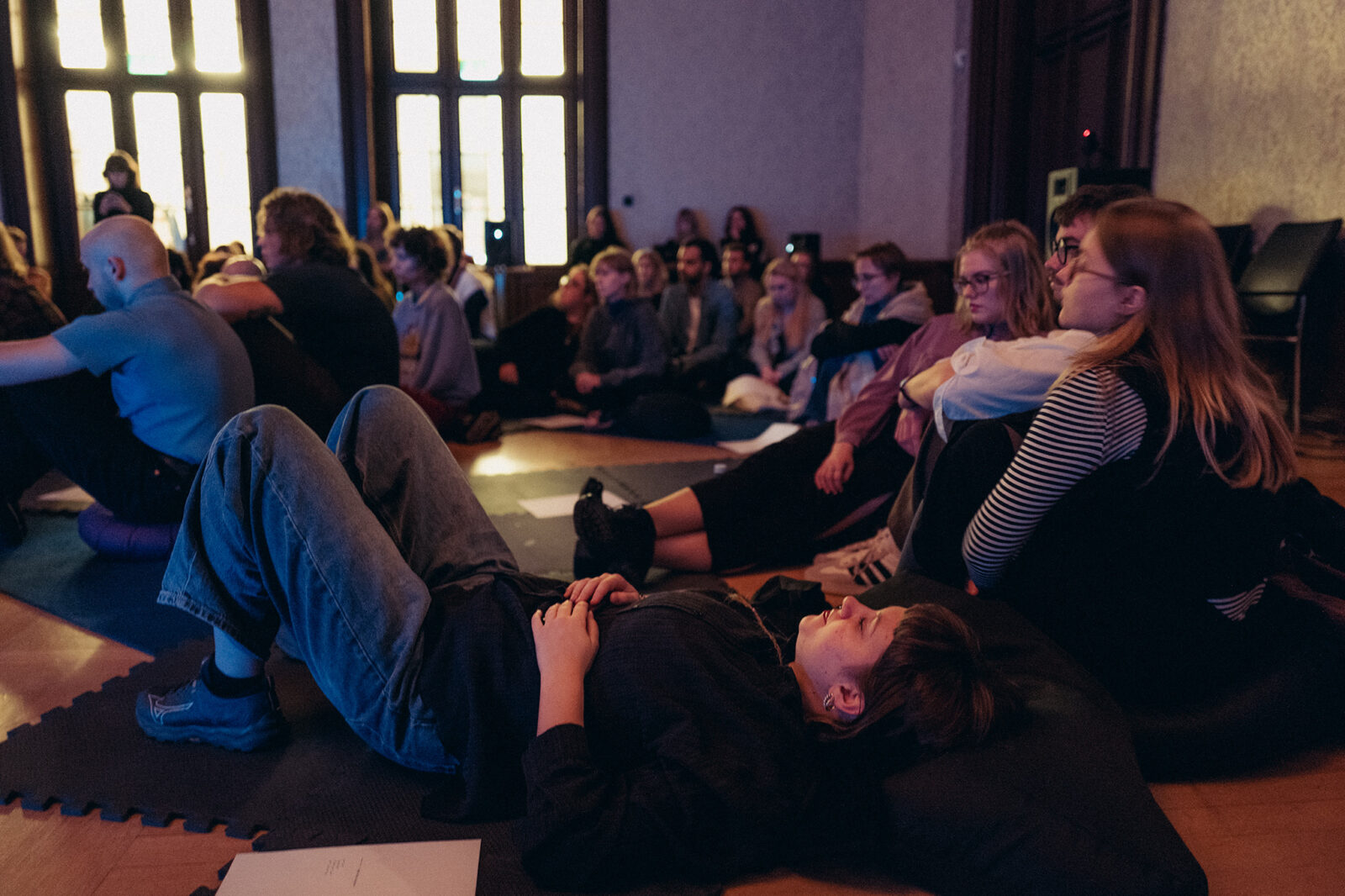
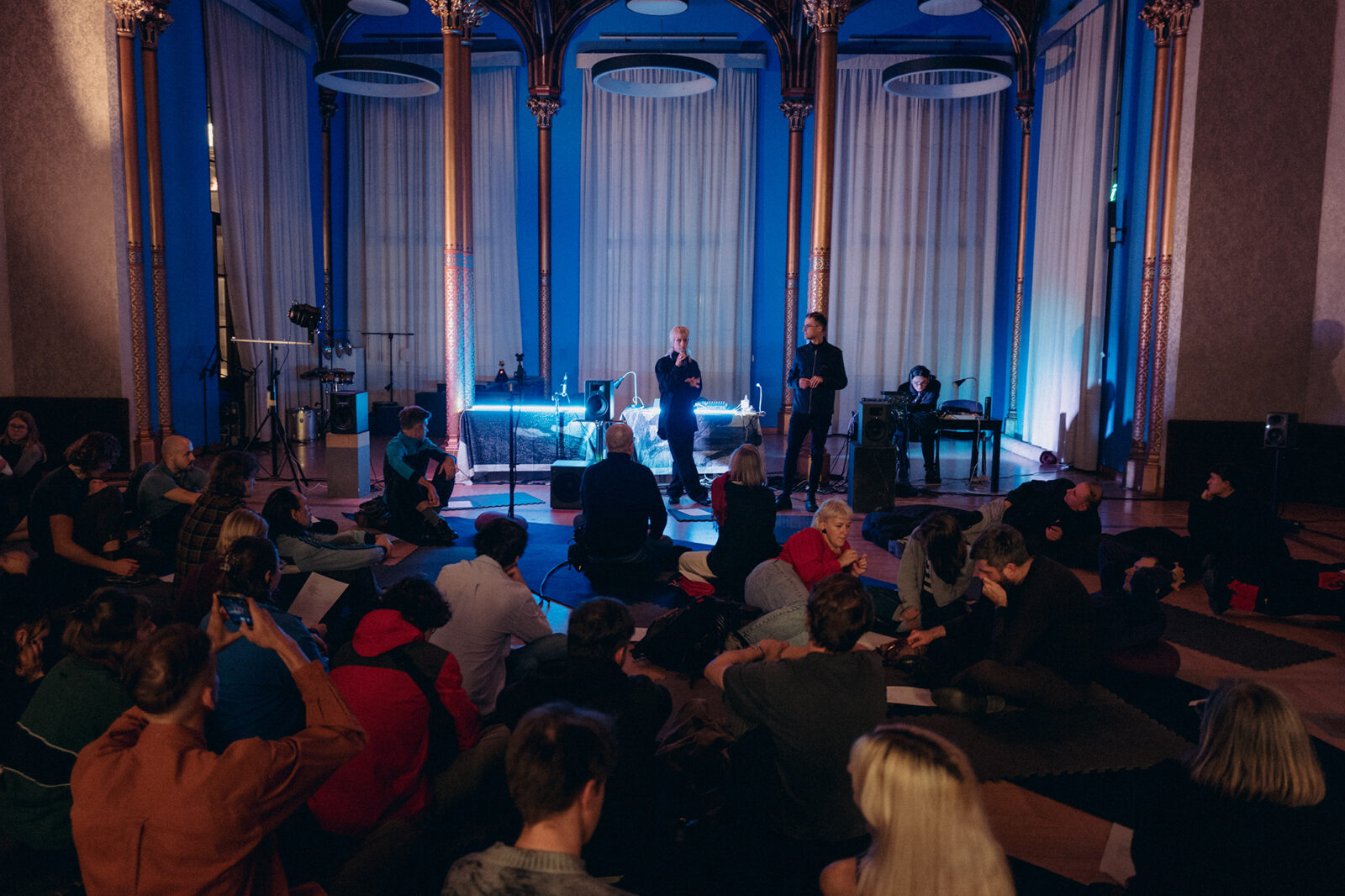
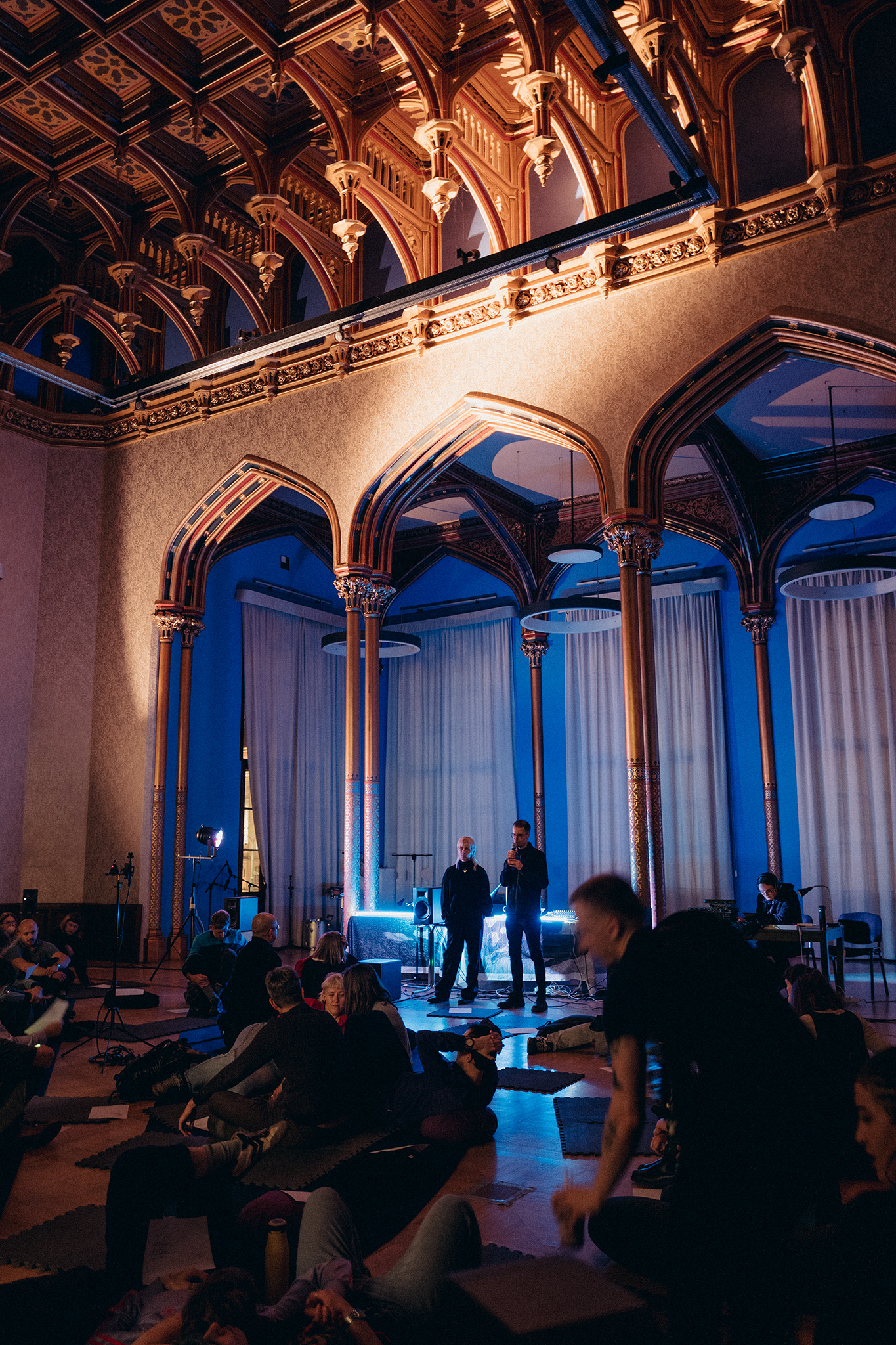
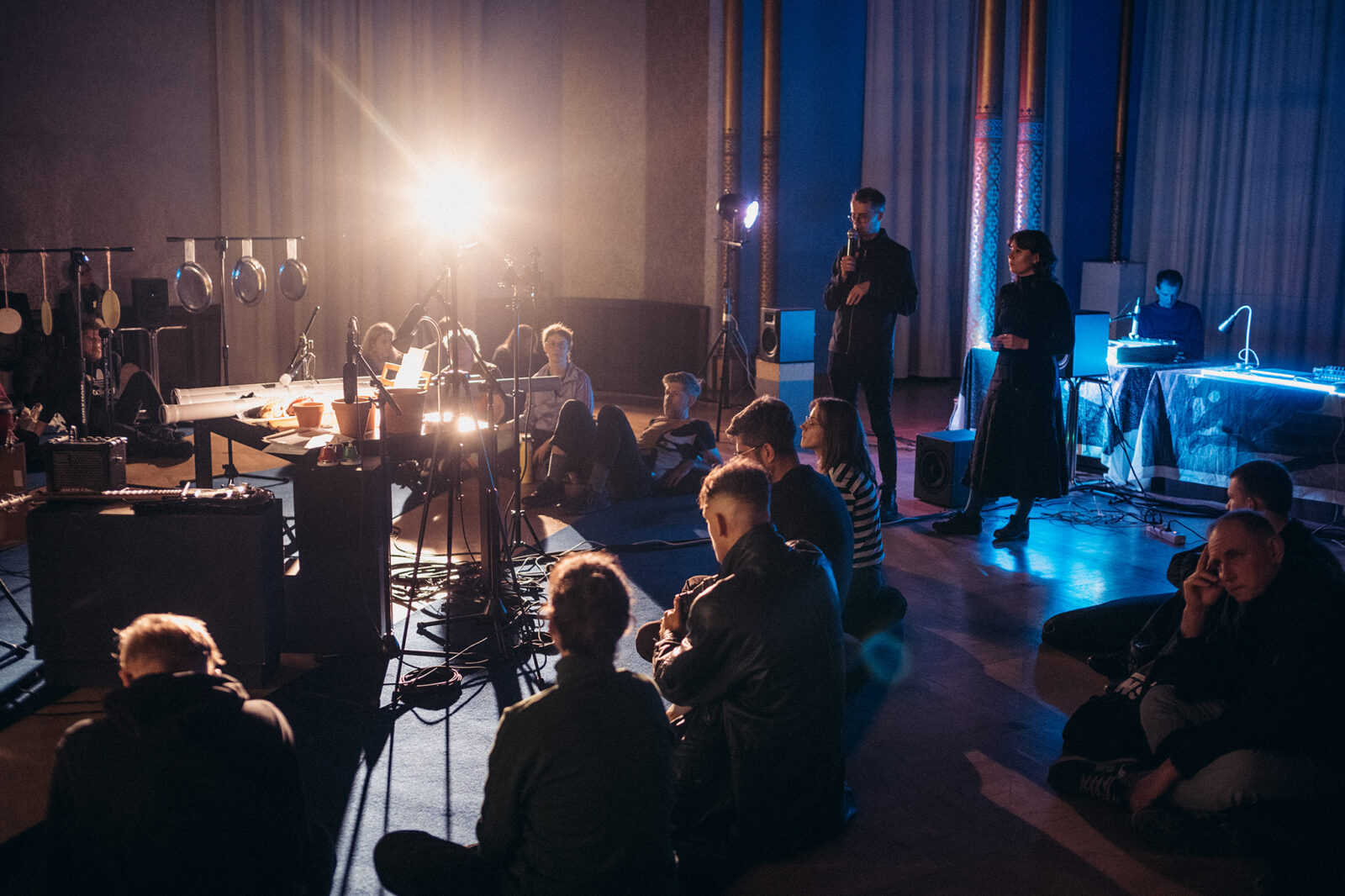

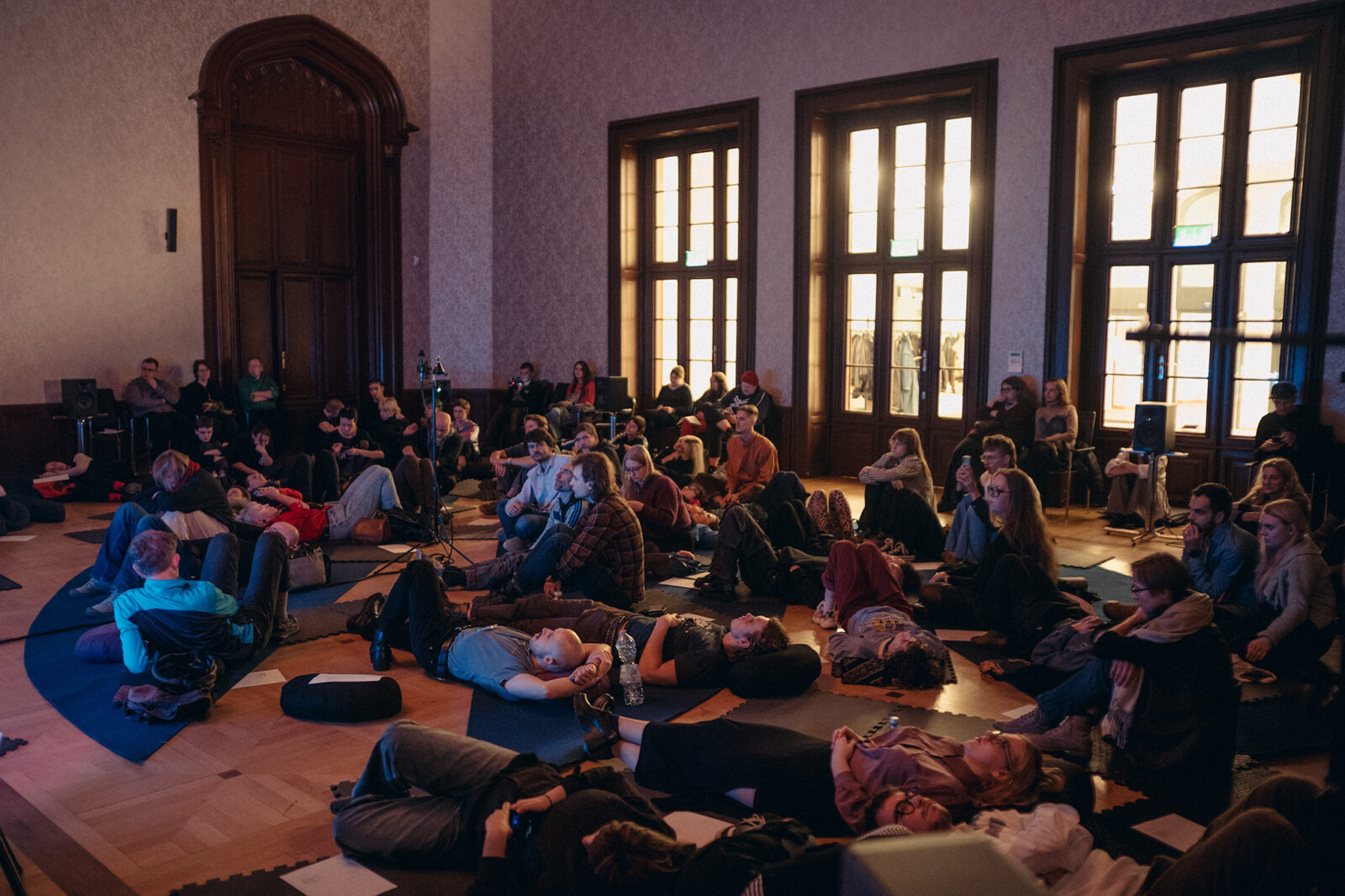
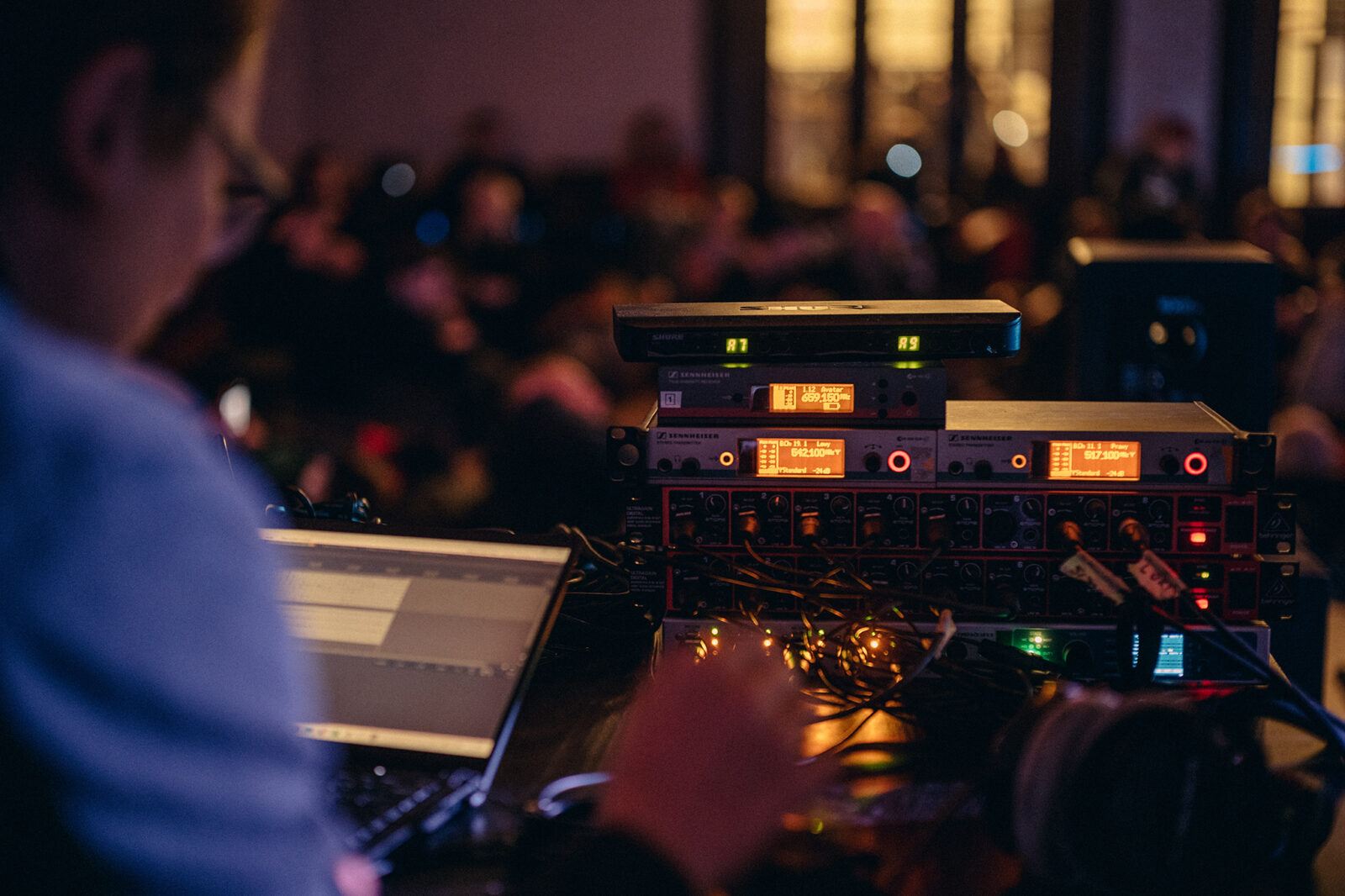

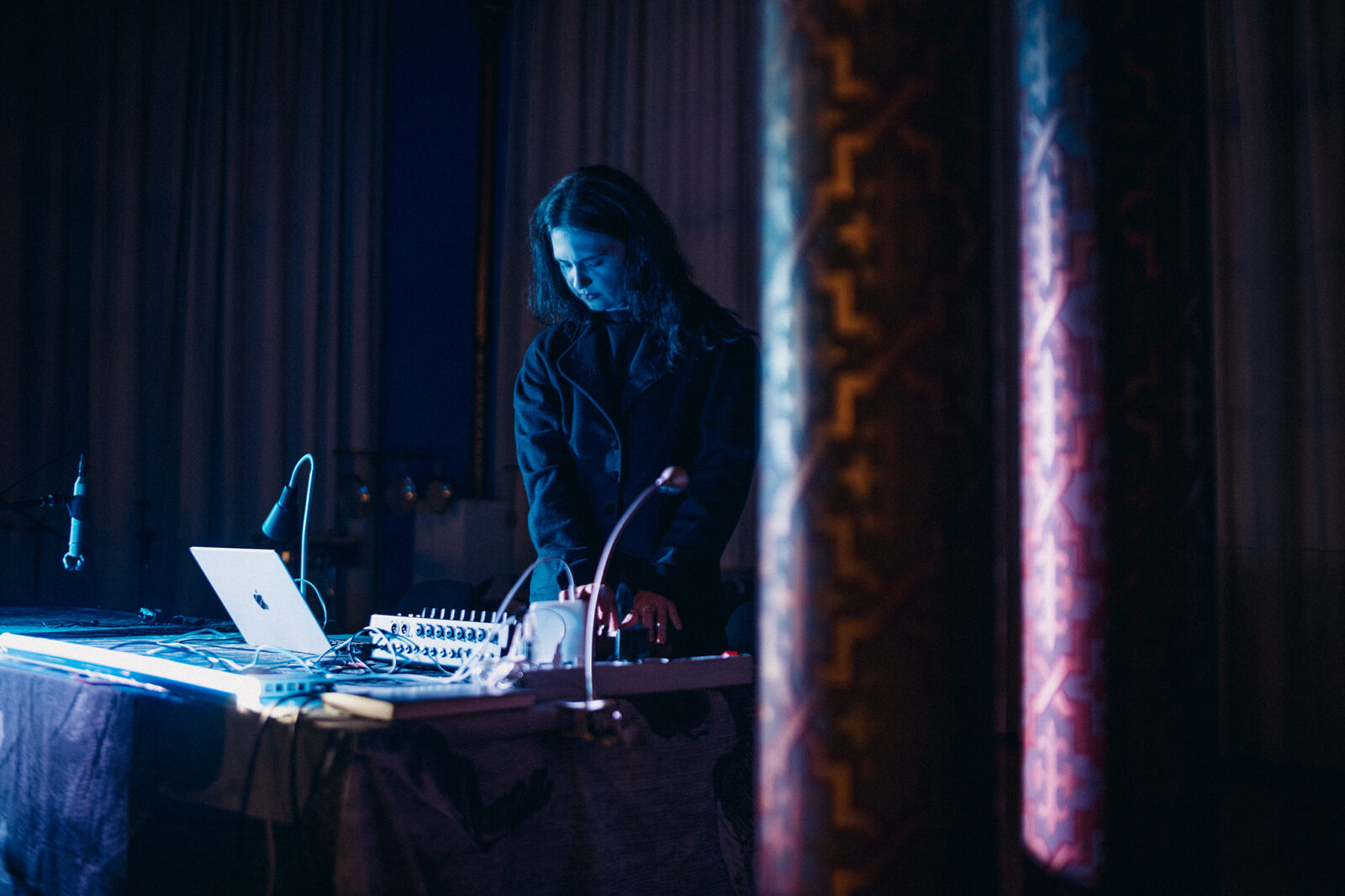

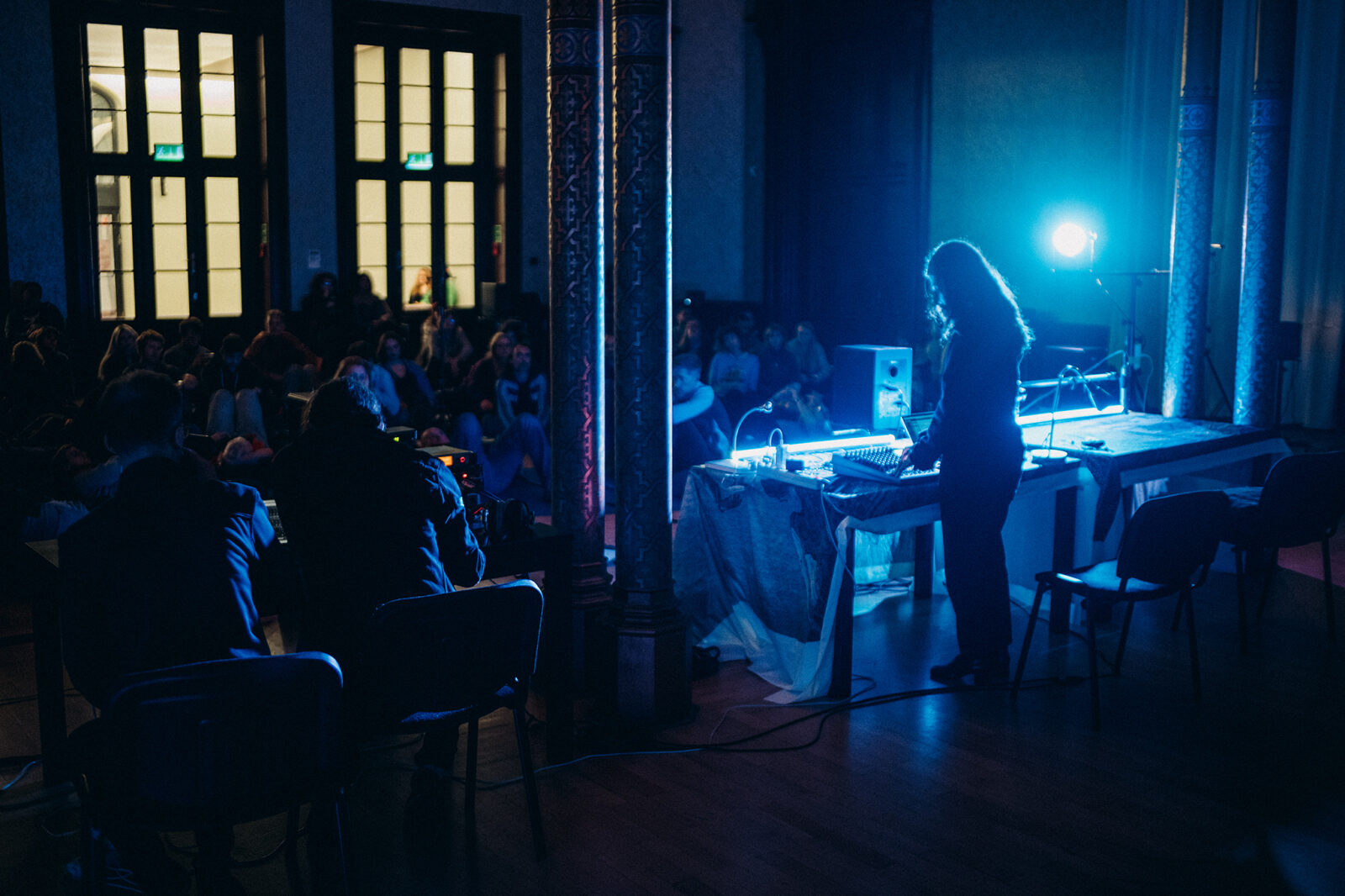
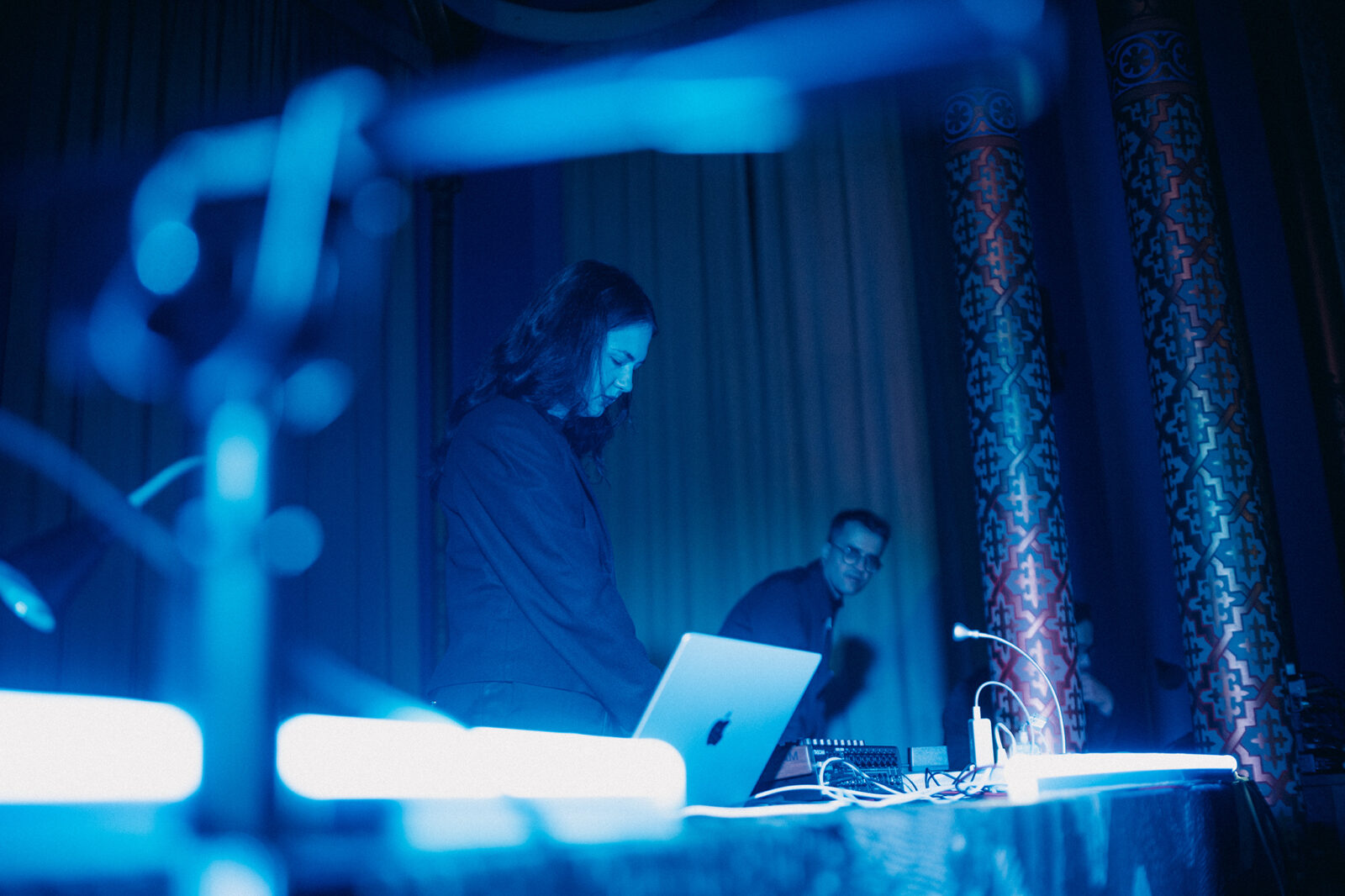




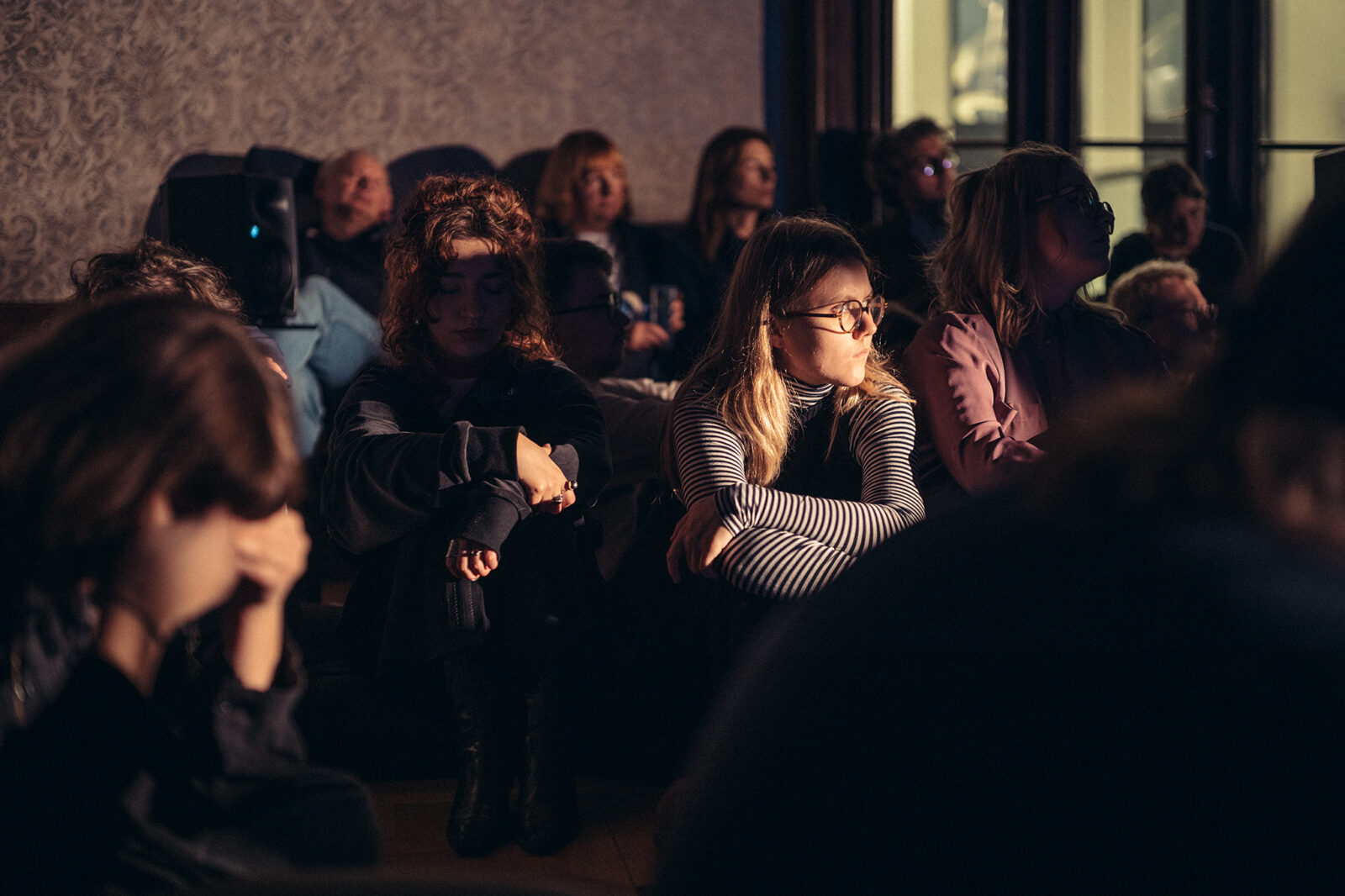
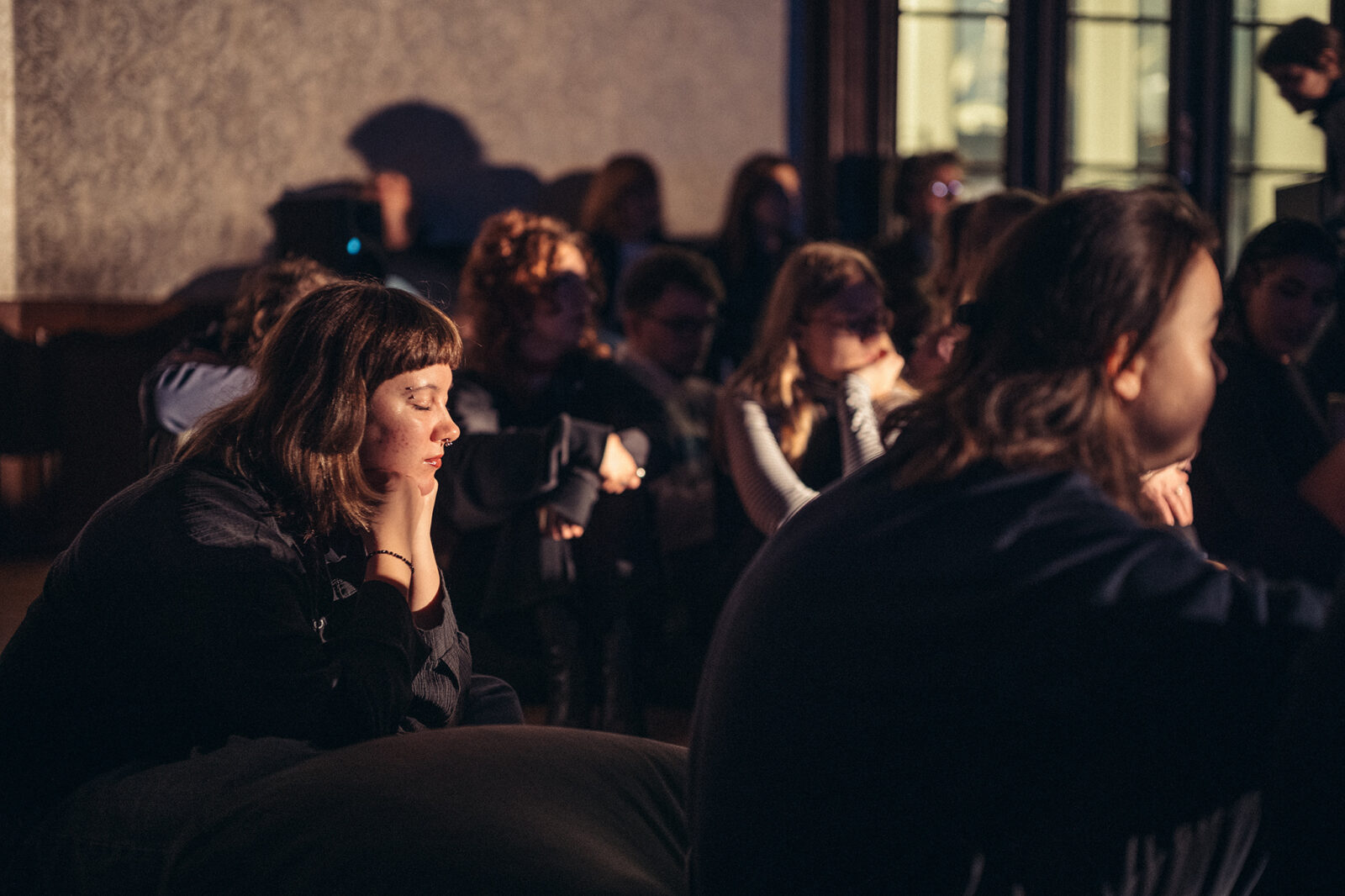
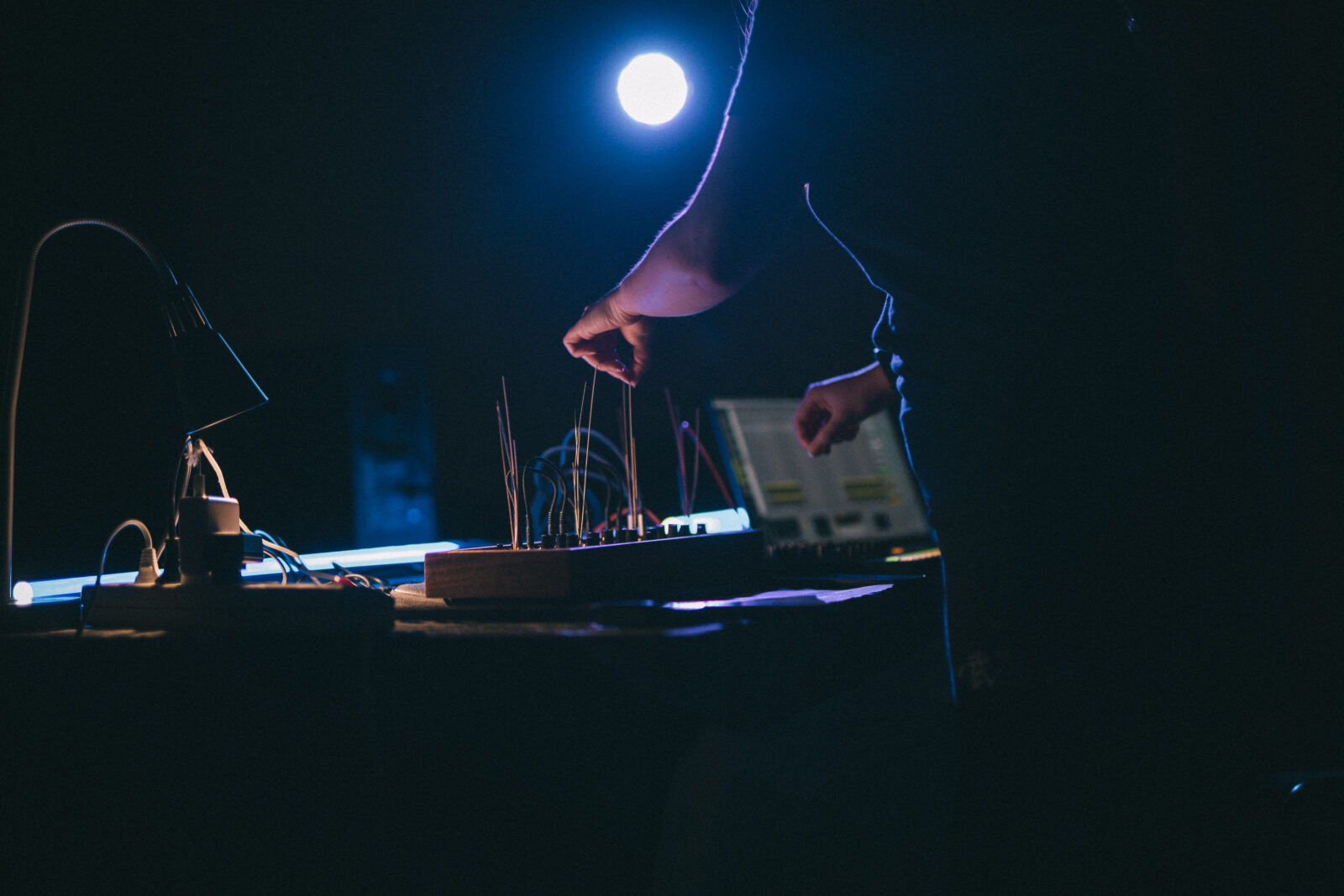
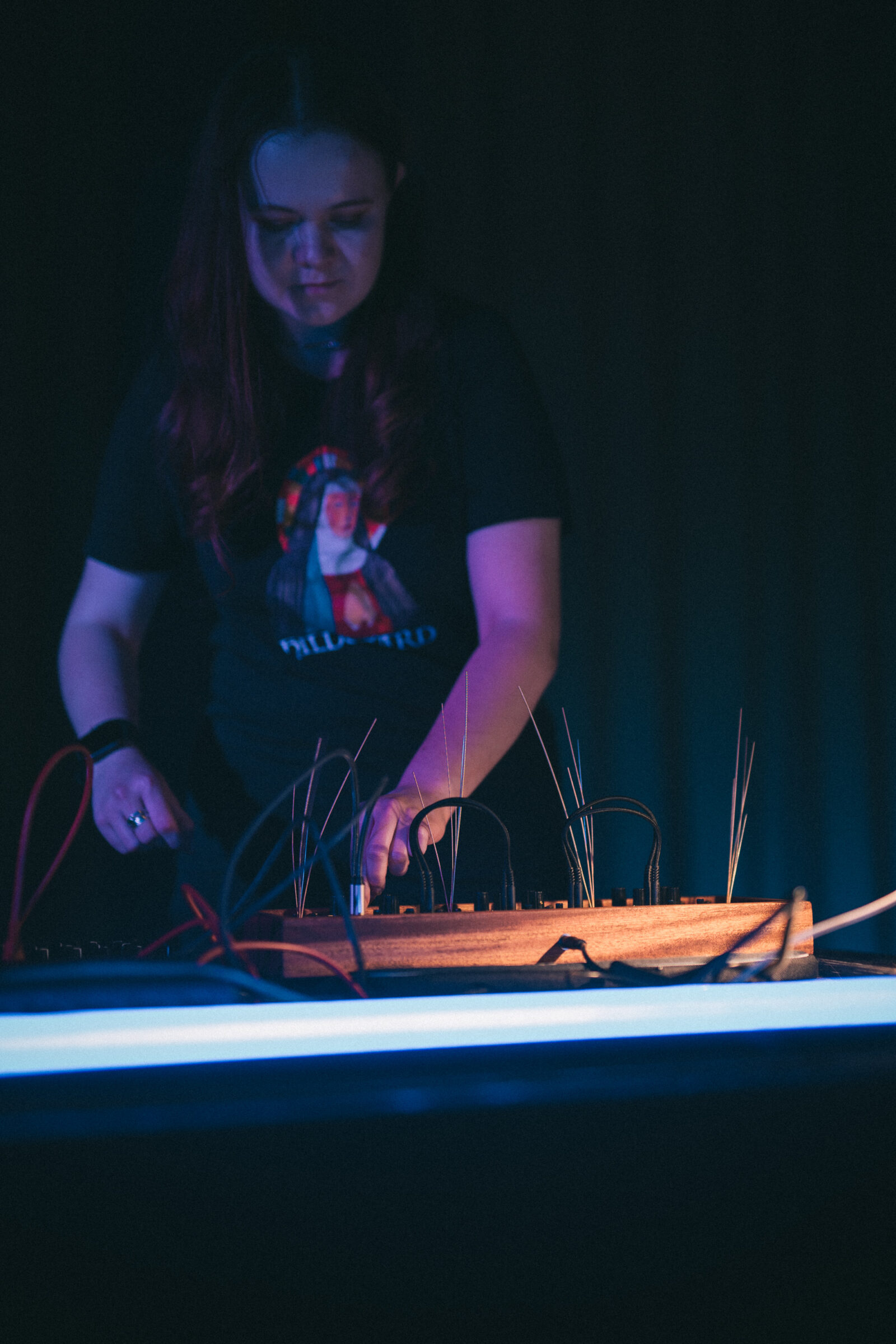
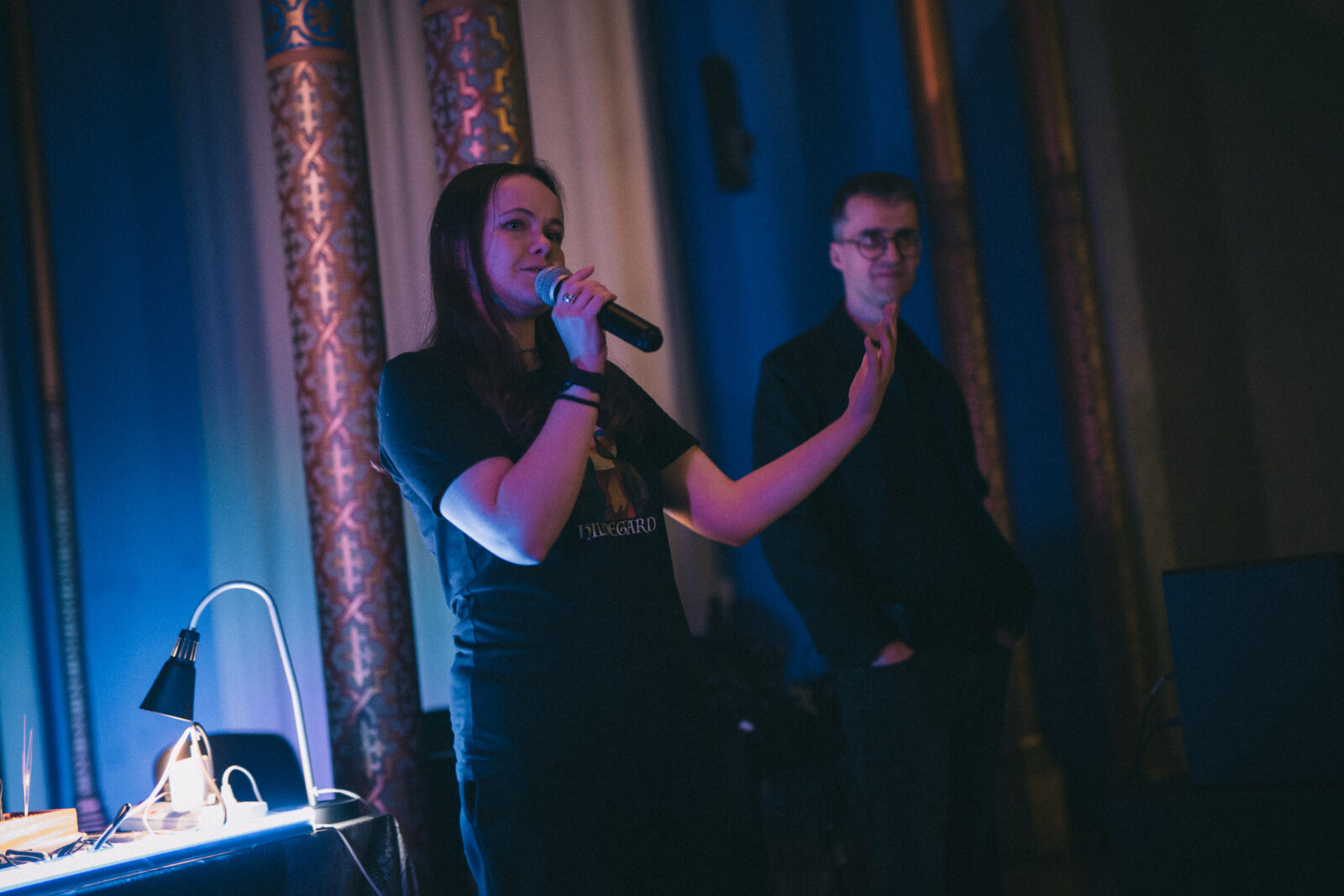
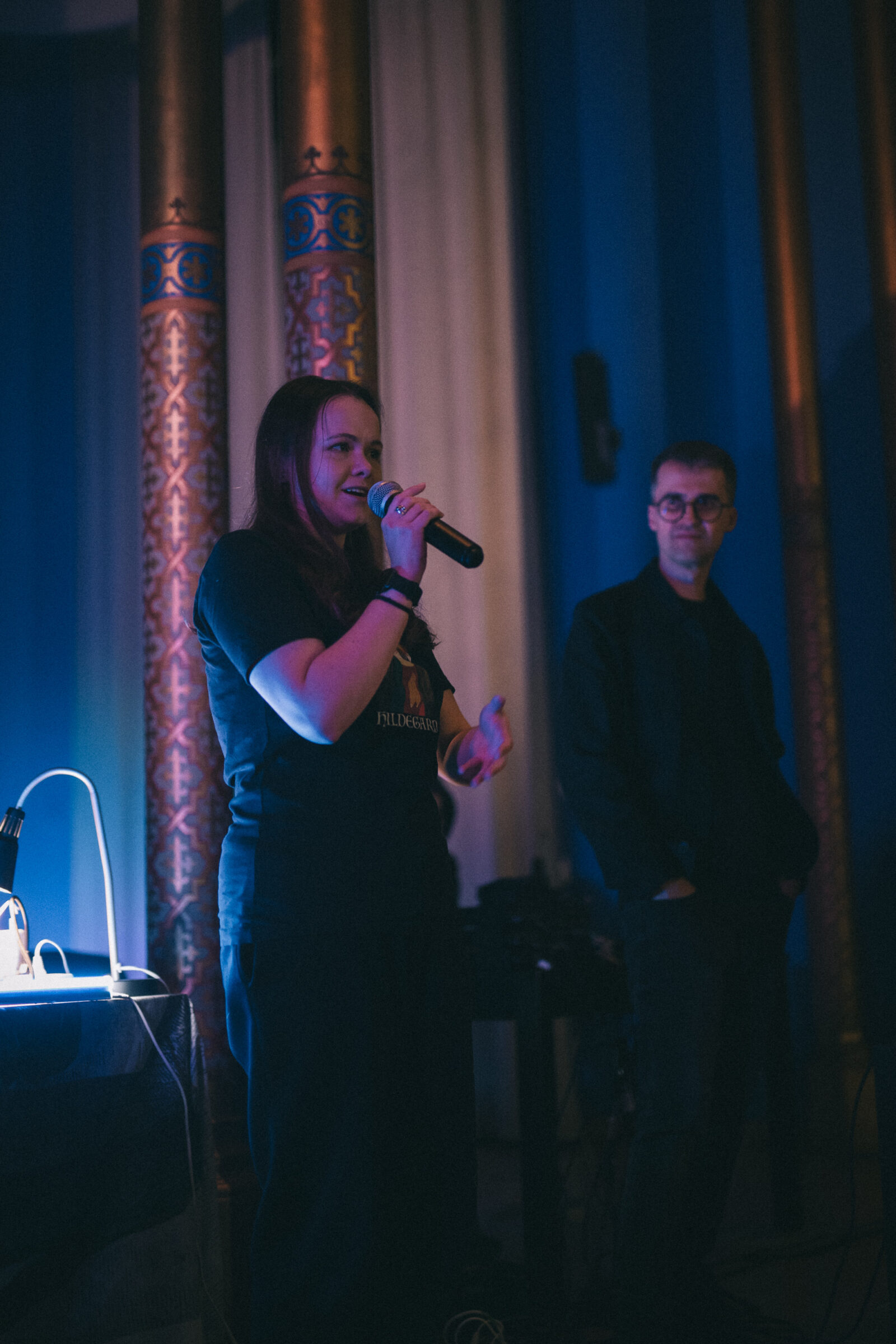
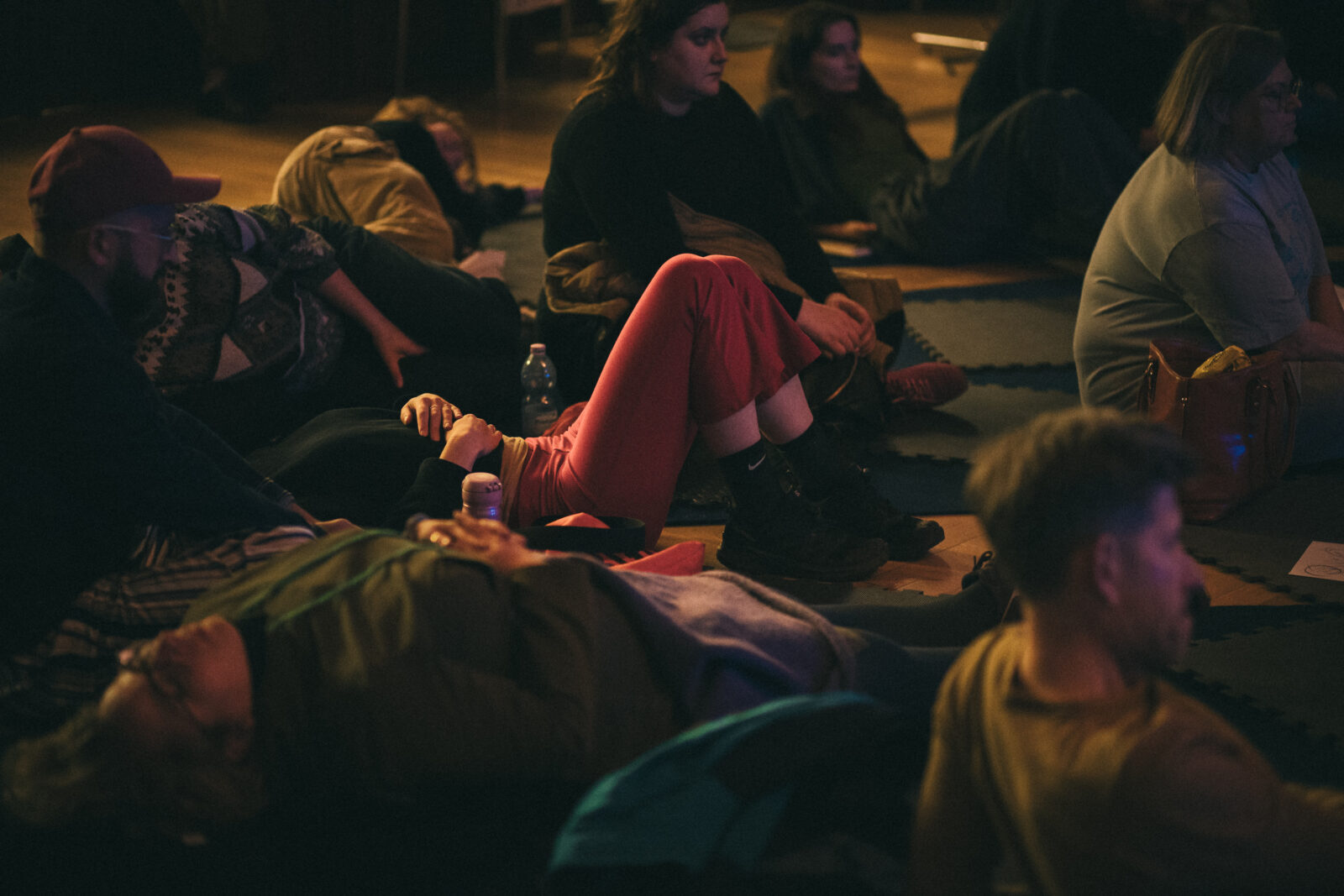
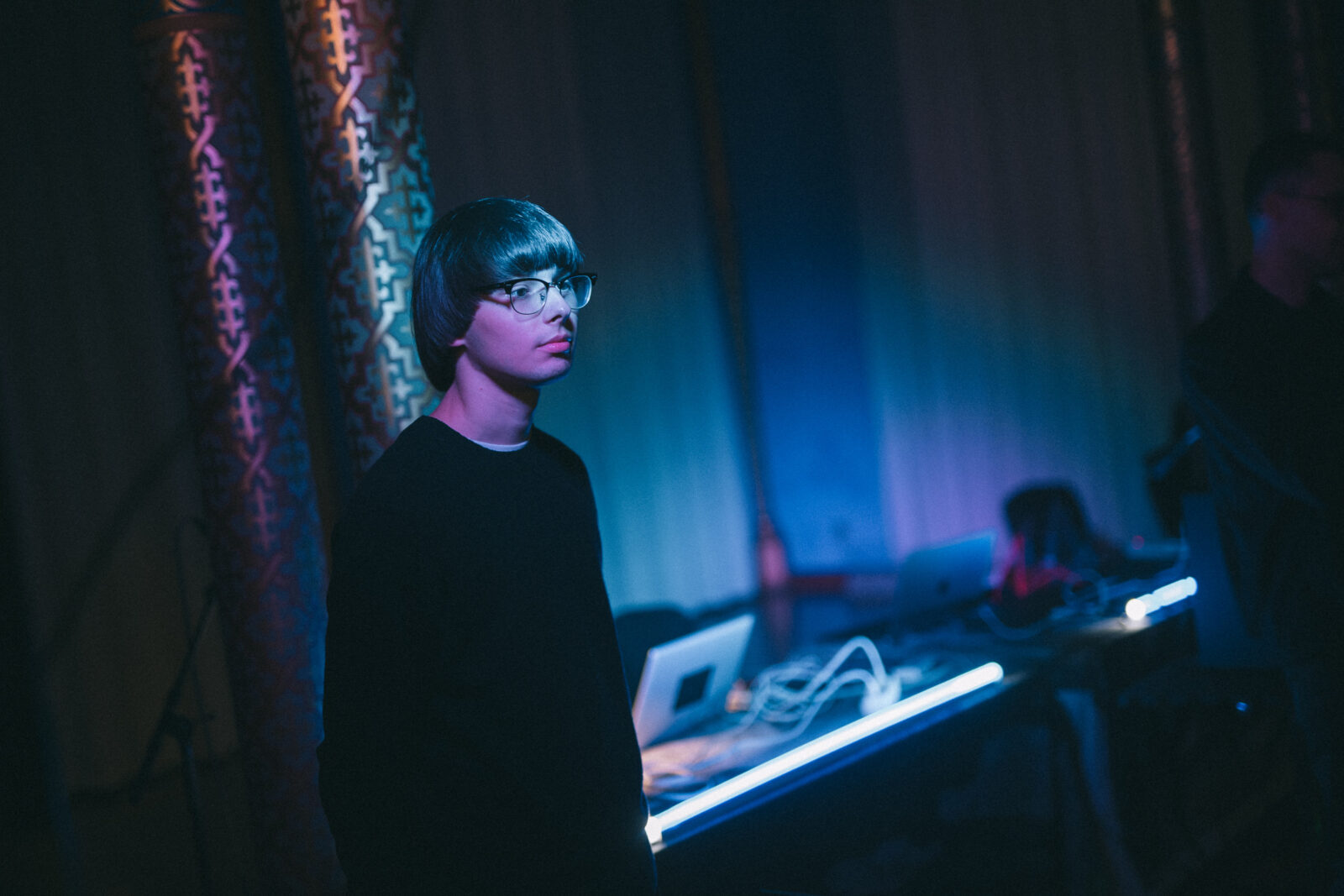
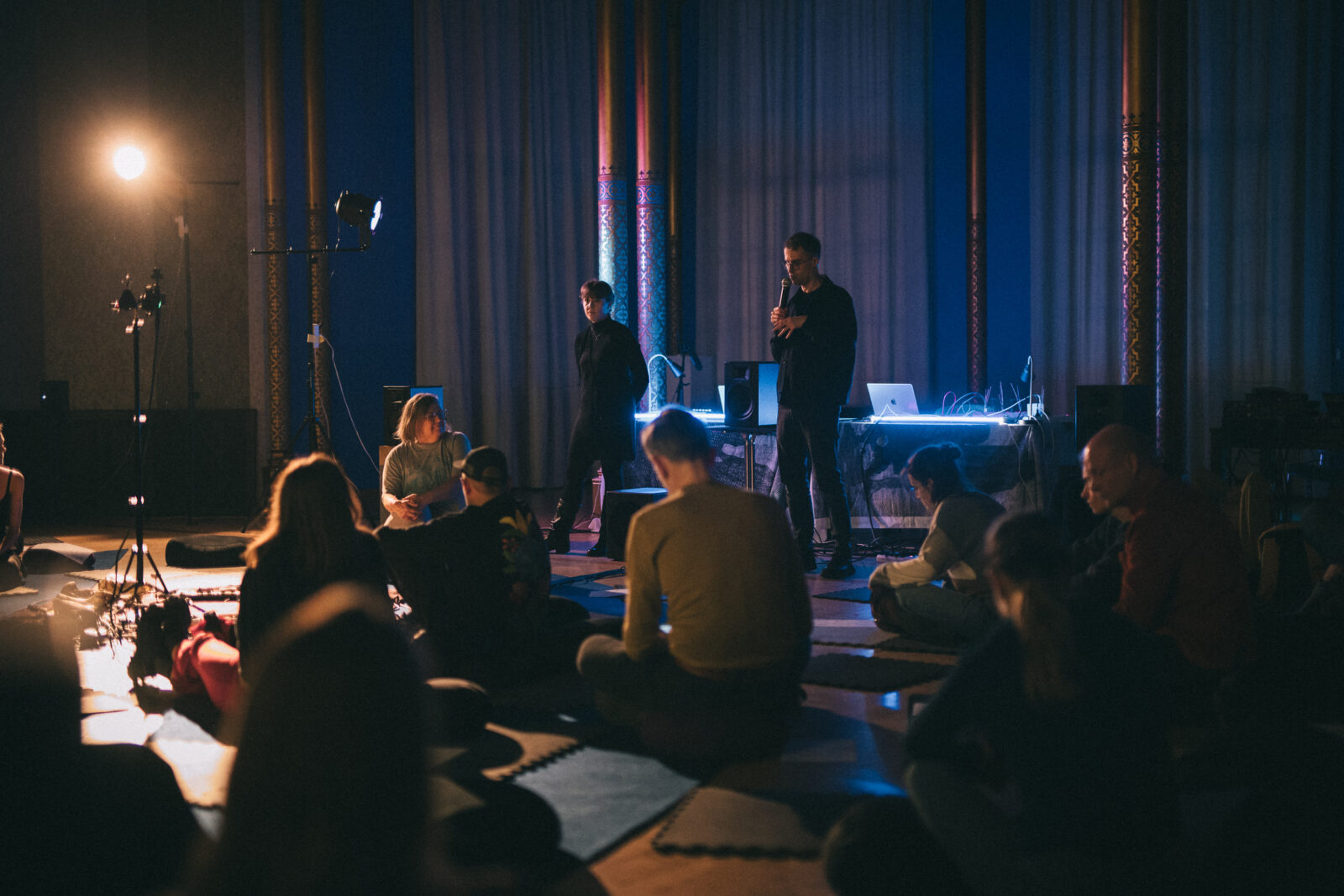
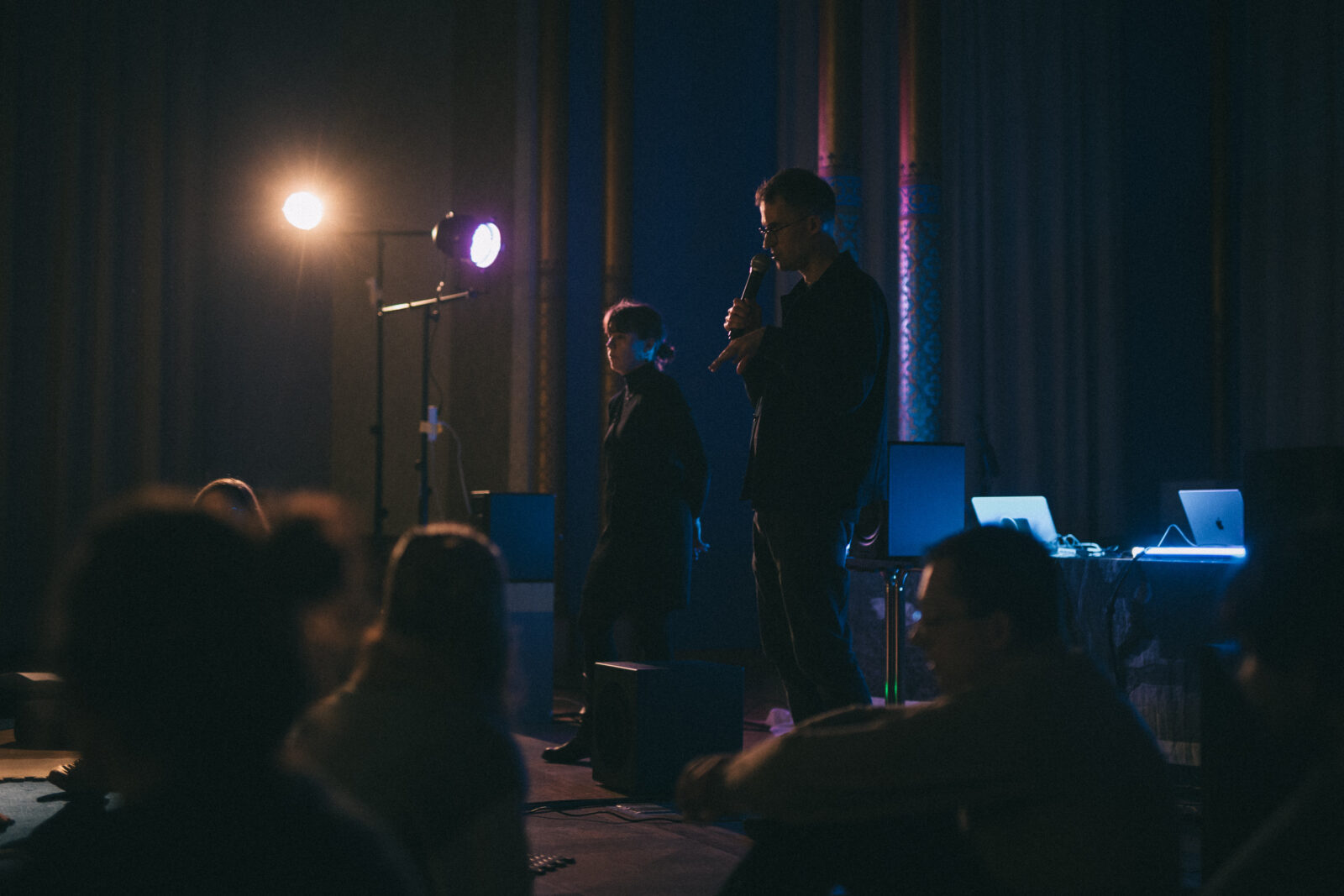
Sunday, 12th of October by Jerzy Wypych
REVIEWS [PL only]
“Śladem spirali”, Joanna Kołodziejska for Ruch Muzyczny
W rzeczywistości postspiralnej. O Canti Spazializzati”, Aleks Stadnicki for Glissando
THE TEAM
Daniel Brożek (curator), Barbara Celebucka (producer), Marta Konieczna (PR), Szymon Lazar (sound engineer)
Mix ans mastering: Daniel Brożek
Visual identity: Karolina Pietrzyk + Mateusz Zieleniewski
Organiser: Foundation for European Studies
Partner: BWA Wrocław Galleries of Contemporary Art
Media sponsor: Glissando
Series co-financed by the City of Wrocław and as part of the National Recovery and Resilience Plan: programme supporting the operation of the cultural entities sector and creative industries to stimulate their development.


