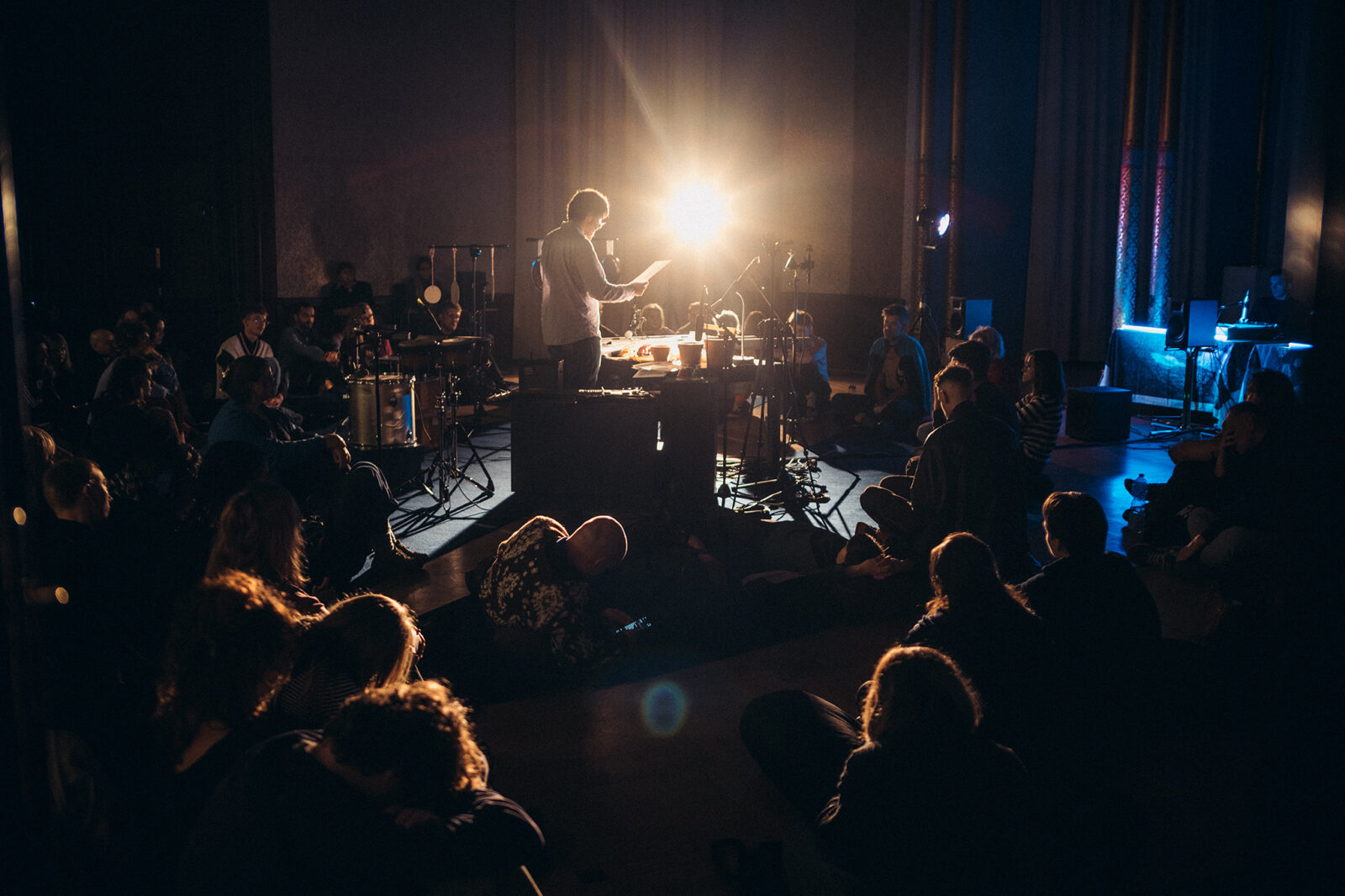


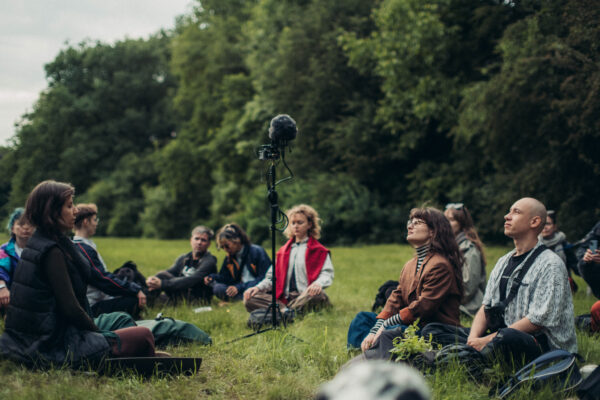


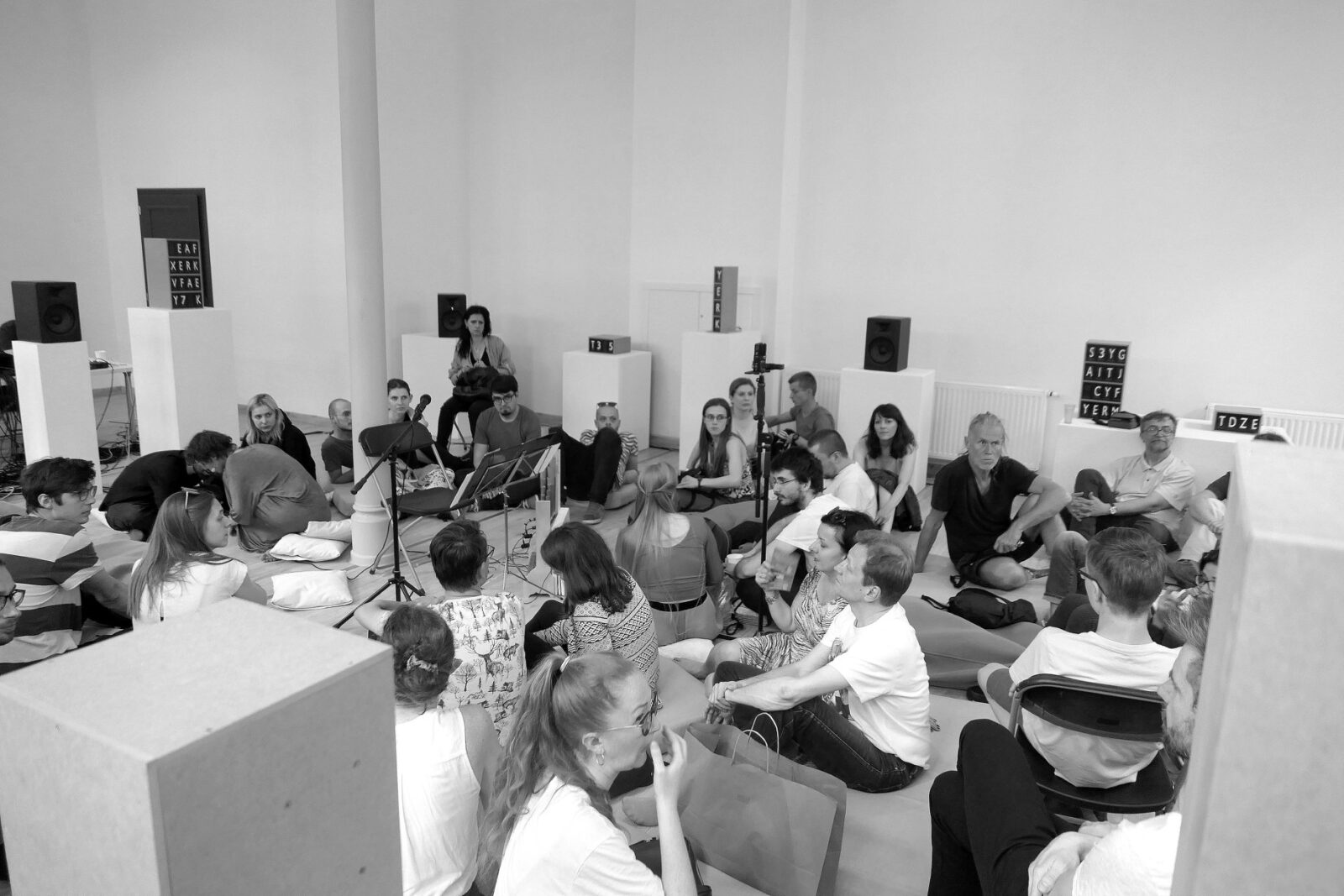
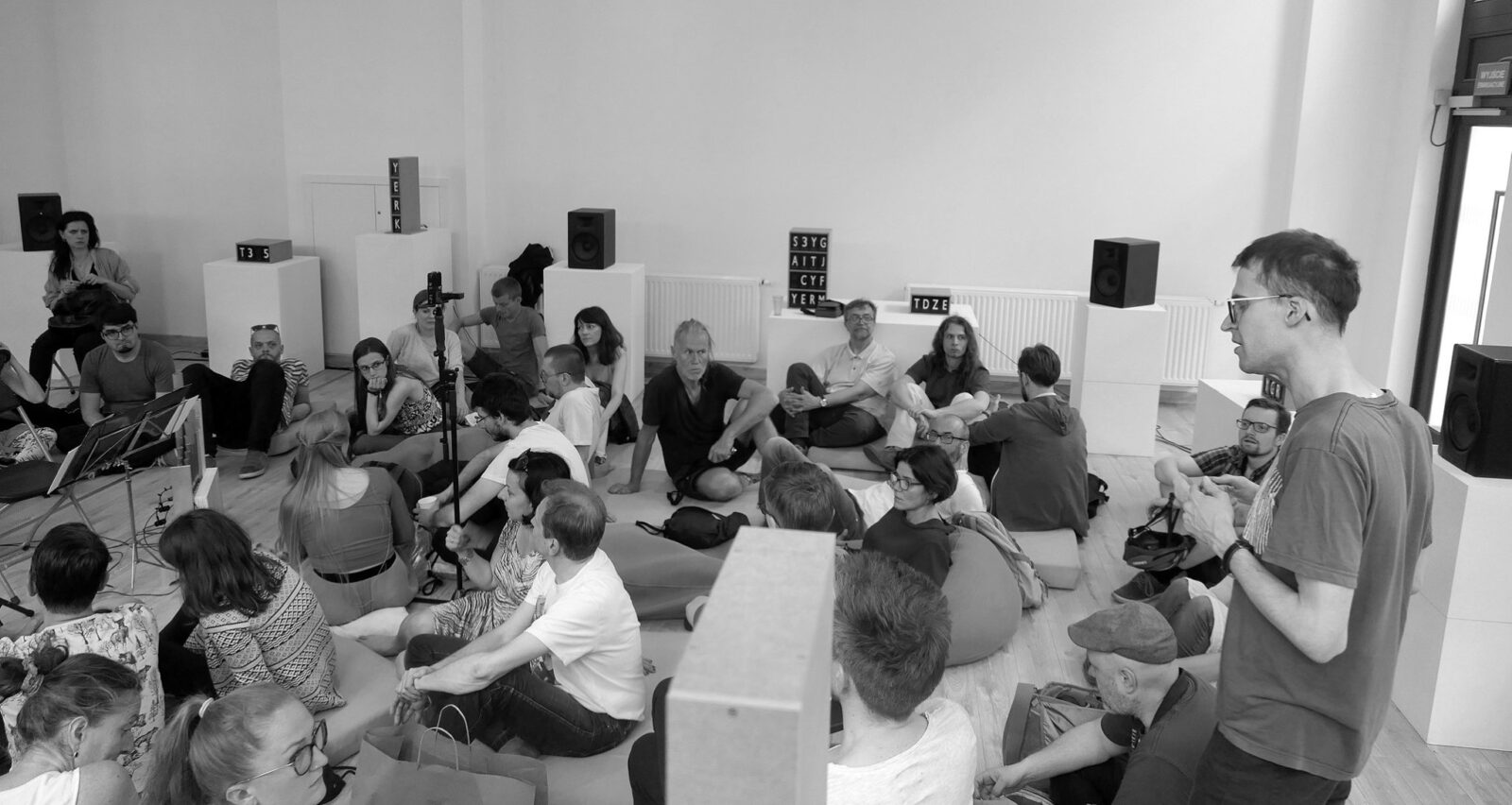
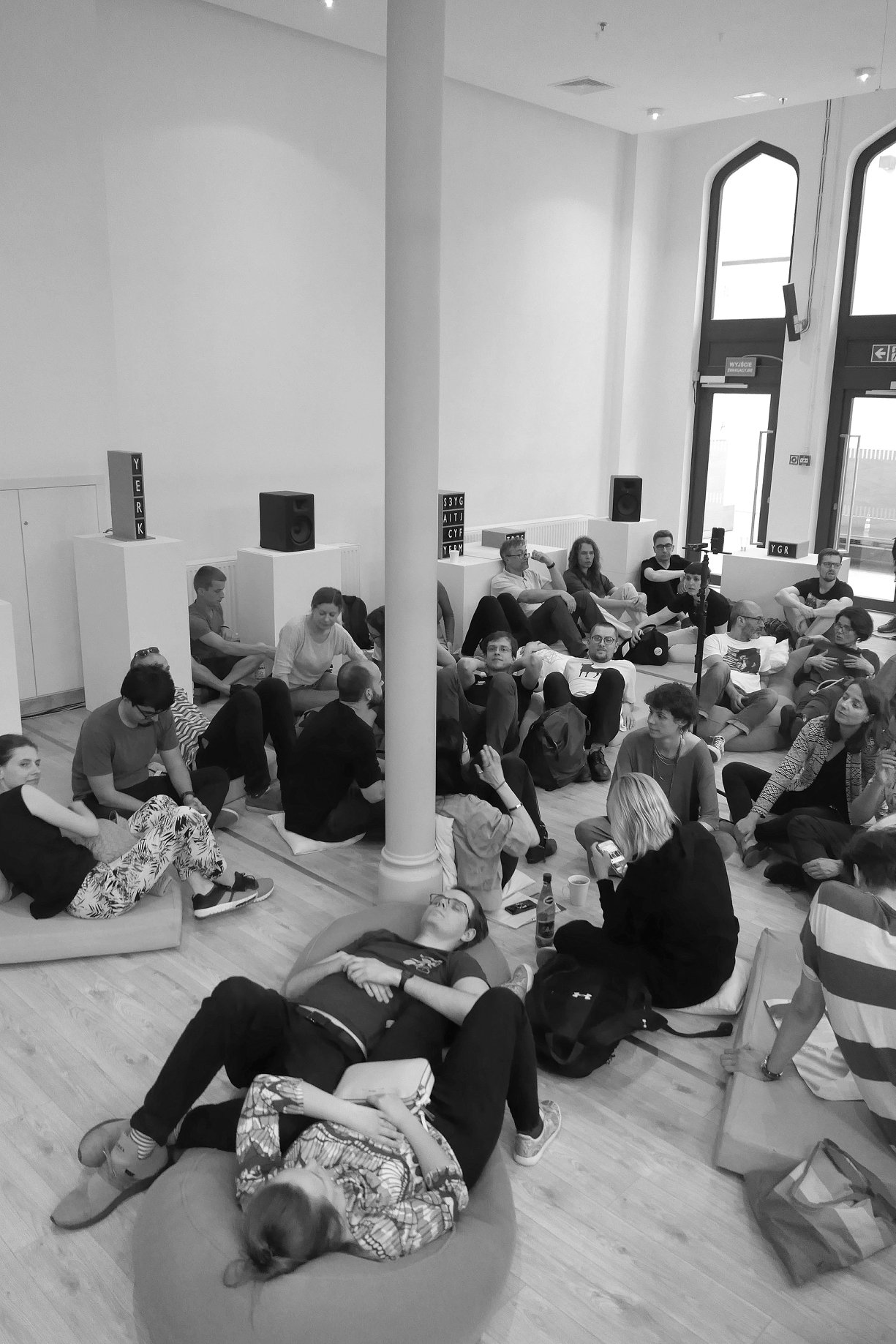
During the Canti Spazializzati #6 events, we made active use of the listening space with its 4-second reverb and 8-channel sound system.
For 2019, we had prepared a programme of four workshop sessions where our listeners will acquire practical skills in sound experimentation. We learned how to create and build analogue-digital sound objects and instruments on our own, learn techniques for working with the computer as a recording studio and compositional tool. We learned how to create a sound space using a multi-channel sound system, as well as how to build such a system ourselves at home.
02.06.2019, 16:00, listening session
presentation of ambisonic recordings from the collection of the Department of Mechanics and Vibroacoustics of the AGH University of Science and Technology in Krakow prepared by Dr Paweł Małecki, Eng.
PROGRAMME:
Ryszard Lubieniecki – Pr_m_ _at et_r_o
Karolina Karnacewicz – live
ZEMITER – live
Anna Zaradny – B U R U N D A N G A
ABOUT THE PIECES:
Ryszard Lubieniecki
Pr_m_ _at et_r_o
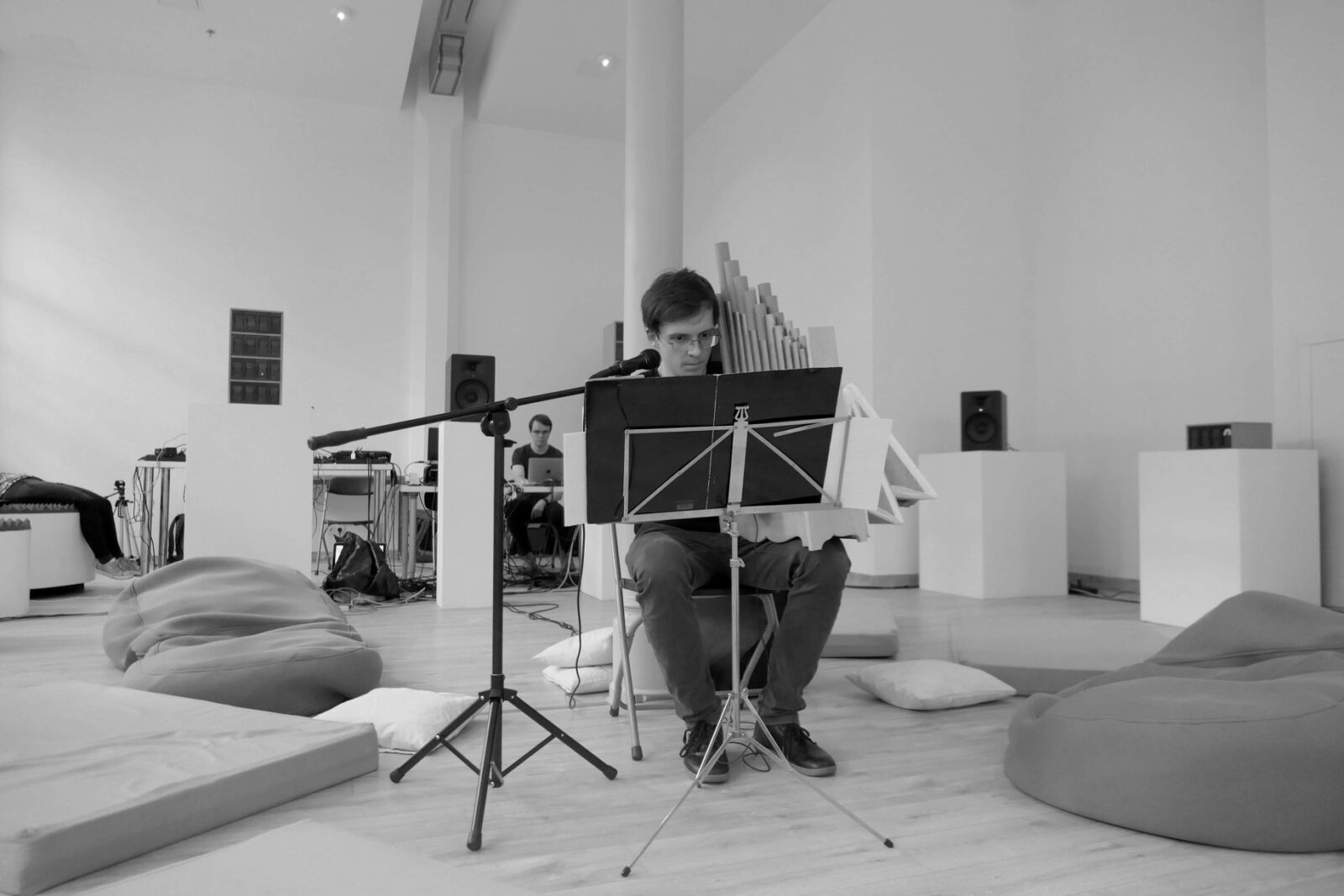
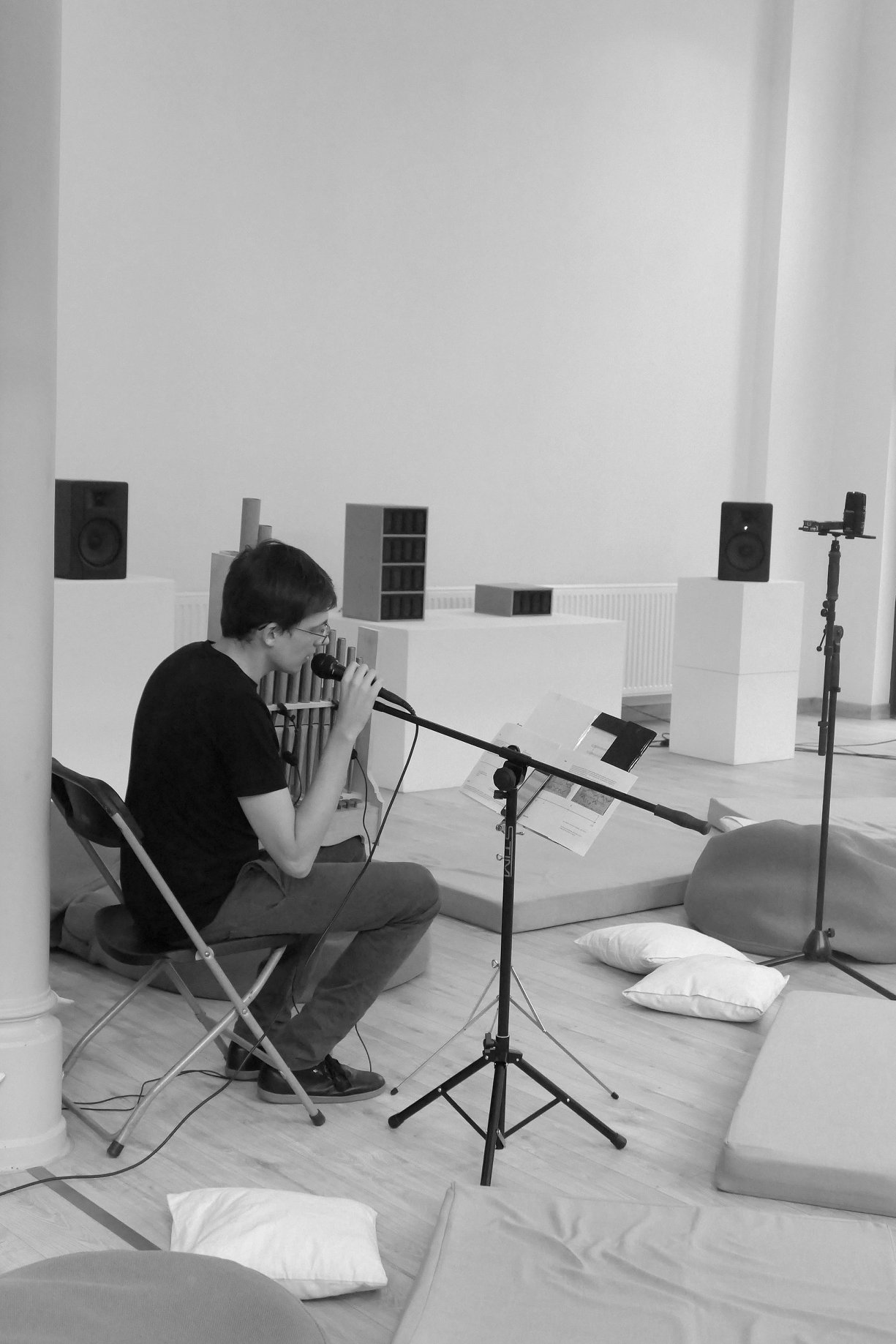
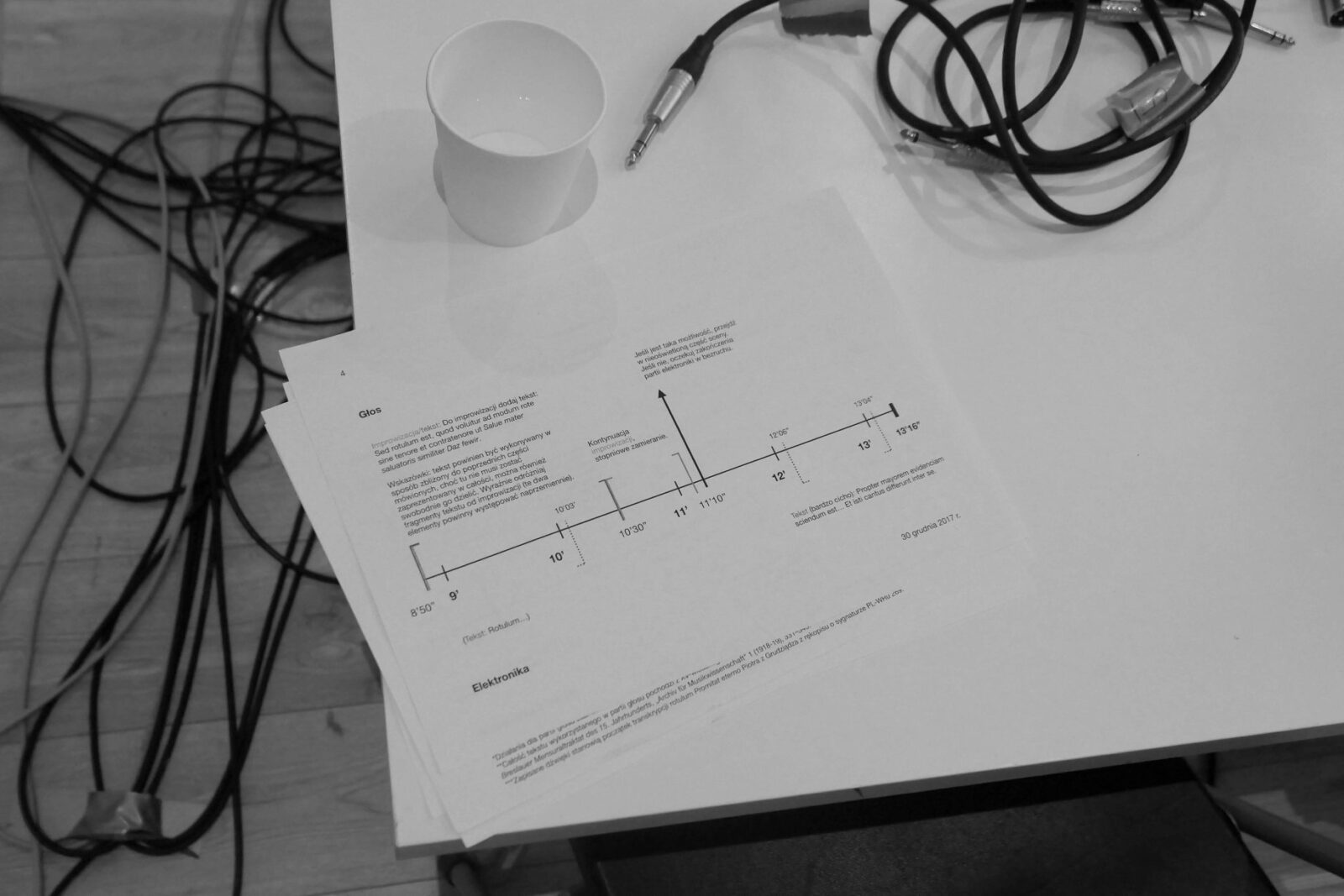
The fourth in a series of ‘isorhythmic compositions’, originally intended for soprano voice and stereo electronics, was built around the idea of the rotulum – the uncomplicated circular canon, a form characteristic of the late medieval period in Central Europe. All the elements of the piece have been attributed to this idea – from the general form determined by the electronics (consisting mostly of recordings made with a cassette recorder), to the recitation of definitions of musical forms, taken from Central European menzural treatises. The whole is completed by a semi-improvised organ portative part, within which one of the 15th-century rotulum manuscripts will be treated as a graphic score. Isorhythmic patterns (an element common to all compositions in the series) were used to organise the scattered sounds in the electronics part.
Anna Zaradny
B U R U N D A N G A
Created in 2017, it was realised in part at Stockholm’s famous EMS Studio. Its Polish premiere in a spatialised stereo version took place during the Musica Electronica Nova festival, and Michał Mendyk wrote about it at the time:
‘The female voice in ‘B U R U N D A N G A’ is not only a communicative tool, but also a magical one – having the power to transform reality in a real way. This expression of feminine energies – inarticulate, transgressive, at times: unbearable – is at the same time subjected to restriction, suppression, which reflects the actual balance of power in the broad socio-cultural context. The rebellion in defence of one’s own identity is thus expressed through the sounds of the physiological process of inhalation, driven by the energy carried by the air between the words, sounds, phrases. Will the impression of endless breathlessness, the impossibility of issuing an articulated, unhindered message, be granted to the Wrocław audience?’
During Canti Spazializzati #6, we will hear a piece of music recomposed for the octophonic system.
In addition:
Ambisonical soundscapes from the collection of the AGH Department of Mechanics and Vibroacoustics
Sound recordings and acoustic surveys of the natural soundscape of the Bialowieza Forest were carried out between August 2014, and June 2015. Recordings and measurements were made in every season of the year. More than 160 GB of unique B-format ambisonic material was recorded, representing approximately 114 hours of recordings at a sampling frequency of 44,100 Hz and 24-bit resolution. The most interesting and representative sounds were selected from the collected material. These sounds have already been presented on several occasions, including at a concert of ambisonic music in Graz with simultaneous broadcasting by the Austrian radio’s first channel Ö1, at the Forum Acusticum conference in Krakow and on other occasions.
Nagrania dźwiękowe krajobrazu polarnego zrealizowano podczas dwóch wyjazdów naukowych na Spitsbergen, które grupa naukowców Katedry Mechaniki i Wibroakustyki AGH zorganizowała w sierpniu 2016 roku oraz w lutym 2017 roku. Nagrania obrazują zmienność oraz cechy charakterystyczne badanych terenów pod względem akustycznym jak również odgłosy wybranych gatunków ptaków, ze szczególnym uwzględnieniem kolonii mewy trójpalczastej w miejscowości Pyramiden. Zarejestrowano również odgłosów psich zaprzęgów oraz innych unikalnych dźwięków.
Dr inż. Paweł Małecki jest adiunktem na Wydziale Mechanicznym w Akademii Górniczo-Hutniczej. Zakończył studia na dwóch kierunkach: Automatyka i Robotyka oraz MiBM: Wibroakustyka i Inżynieria Dźwięku z wynikiem celującym. W 2013 roku na tym samym wydziale obronił doktorat pt. „Ewaluacja subiektywnych i obiektywnych cech pola akustycznego obiektów o dużym czasie pogłosu”, pracę która skupiała się na zagadnieniach psychoakustycznych w percepcji muzyki w silnie pogłosowym polu akustycznym. W chwili obecnej jego zainteresowania naukowe skupiają się na auralizacji oraz wykorzystaniu technik ambisonicznych w analizie zjawisk akustycznych. Zajmuje się również przesyłaniem sygnałów cyfrowych, ich percepcją, oceną jakości i innymi pokrewnymi zagadnieniami. Jako inżynier dźwięku zrealizował ponad 30 płyt długogrających (jako inżynier nagrania, miksu, masteringu lub łącznie). Specjalizuje się w nagraniach muzyki akustycznej, jazzu, folku i folkloru, muzyki chóralnej i klasycznej. Jest założycielem i kierownikiem technicznym radia lem.fm. Pracował z zarządzie firmy Radiokit Ltd., dostarczającej oprogramowanie radiowe w technologii serwerowej. Jako konsultant akustyczny jest autorem dziesiątek projektów lub wytycznych akustycznych oraz instalacji nagłośnieniowych. Jest laureatem wielu stypendiów i nagród, m. in. Stypendium Prezydenta Miasta Krakowa, europejskiego stypendium Doctus i innych. Jest autorem ponad 50 prac naukowych, w tym 18 artykułów w czasopismach z listy Thomson Reuters.
ABOUT THE ARTISTS:
Ryszard Lubieniecki
Composer, musicologist, instrumentalist, improviser. He studied composition and accordion at the Academy of Music in Bydgoszcz. In 2023, he completed his doctoral thesis under the supervision of Professor Remigiusz Pośpiech at the Institute of Musicology in Wrocław (where he currently works as an assistant professor), on memory and its traces in late medieval musical and theoretical sources from the Central European region. In addition to the accordion, he also plays medieval keyboard instruments (portative organ and clavicymbalum). Co-founder of the contemporary music trio Layers and the medieval music ensemble Vox Imaginaria, as well as more ephemeral improvised music groups, including Izquierdo/Lubieniecki, Widzicie, Lubieniecki/Rupniewski and Disquiet.
https://soundcloud.com/ryszard-lubieniecki
Karolina Karnacewicz
Alchemy of vibrations constantly changing states of focus. Karnacevich is involved in music in a variety of ways, not only composing and DJing (as Morgiana Hz), but also writing, preparing radio shows, and, since 2012, organizing concerts and events, musical house meetings, discussions, lectures and workshops. Since 2018 also sensual performances and multi-person VR experiences (with the Dream Adoption Society team).
In her practice, she uses extended vocal techniques and their mutations based on artificial intelligence algorithms, binaural field recordings, and experiments with the formula of performative installations and geometric choreography. “With my performances I want people to experience the pure momentum of togetherness. I would also prefer to give to the audience strength and power and I want them to encounter the multiplication of the good energy. The feedback is very positive, it’s sort of music therapy and it’s often significant for the public.” ~ so told Katarzyna Jaroch in an interview with SUBTER.
Her “fleshy flower,” a deeply personal shamanic performance drawing on the cleansing power of wilderness, is the result of an artist residency in Uganda at Nyege Nyege studios, where she sought to juxtapose Slavic storytelling with her African heritage. The freshest subjunctive DJ inspirations can be traced in a mix for FACT.
No bio found for the given ID.
Anna Zaradny
Sound and visual artist, composer and improviser. Her works are situated at the intersection of minimalist contemporary music and experimental electronics. She creates visual works mainly in the form of installation, object, photography and video. Co-founder of the Musica Genera festival and publishing house, she has in her discography albums recorded with Jerome Noetinger, Burkhard Stangl, Christian Fennesz, Robert Piotrowicz, Tony Buck, Kasper Toeplitz, among others. He also composes for theatrical performances and multimedia projects. Winner of the audience award of the 5th edition of the “Views 2011 – Deutsche Bank Foundation Award”. Scholarship holder of Museums Quartier Vienna 2005, Minister of Culture and National Heritage 2013. Winner of SHAPE 2017 / platform for innovative music and audiovisual art from Europe. Consultant and music researcher in the Escape Act project for Alexandra Bachzetsis 2018. Resident of Elektronmusikstudion EMS Stockholm 2016, KSYME – CRM Athens 2018 / 2019.
ABOUT THE EVENT:
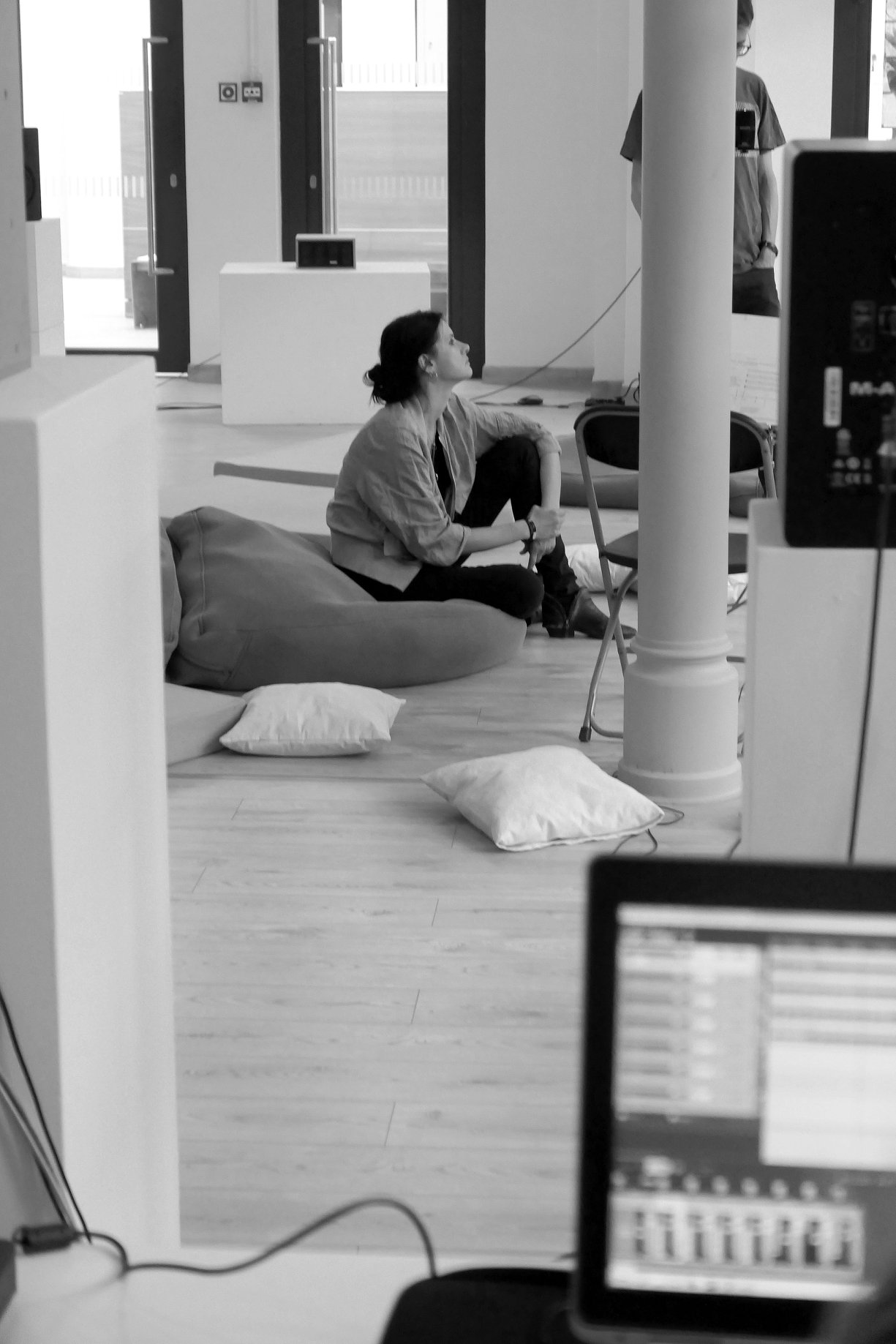
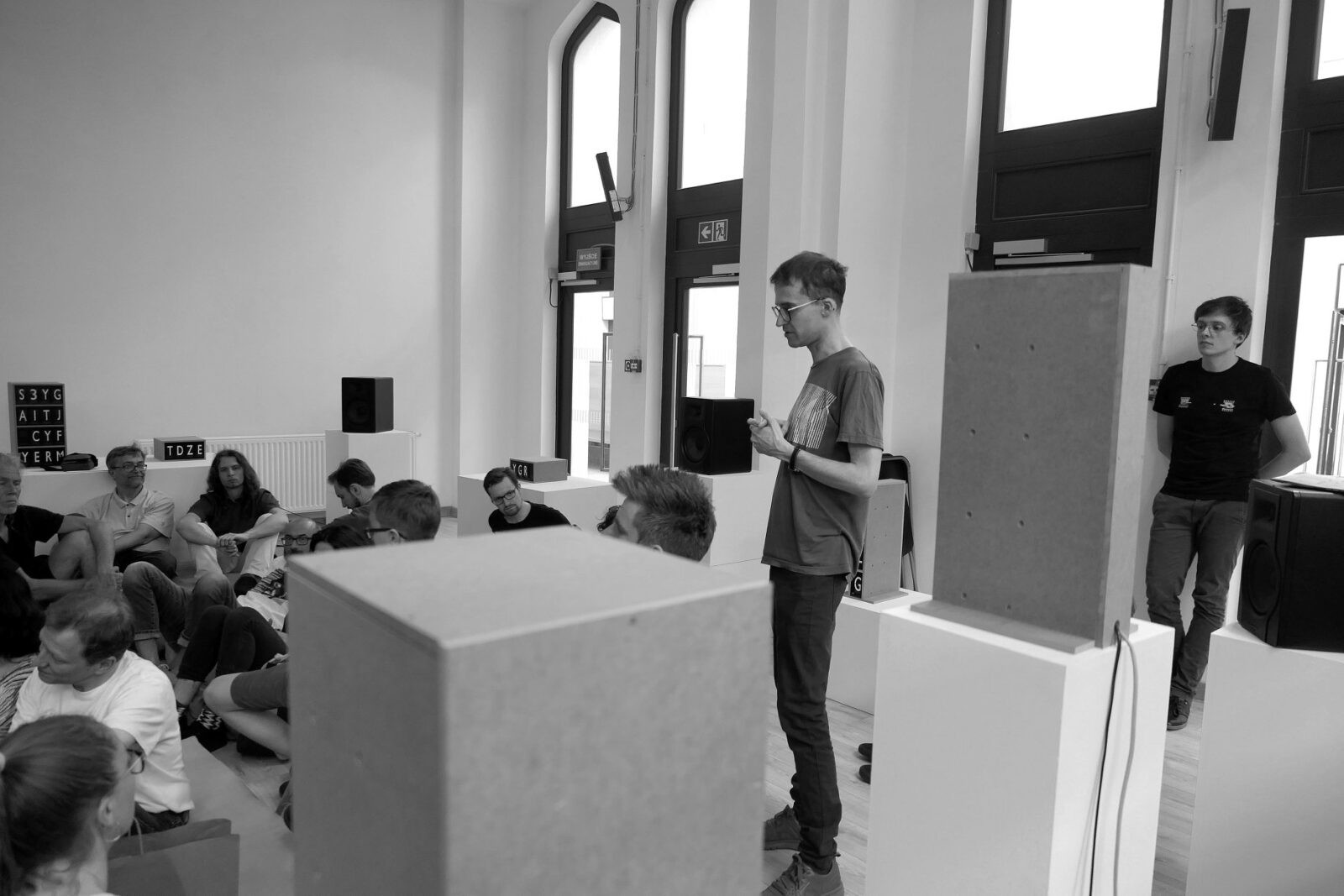
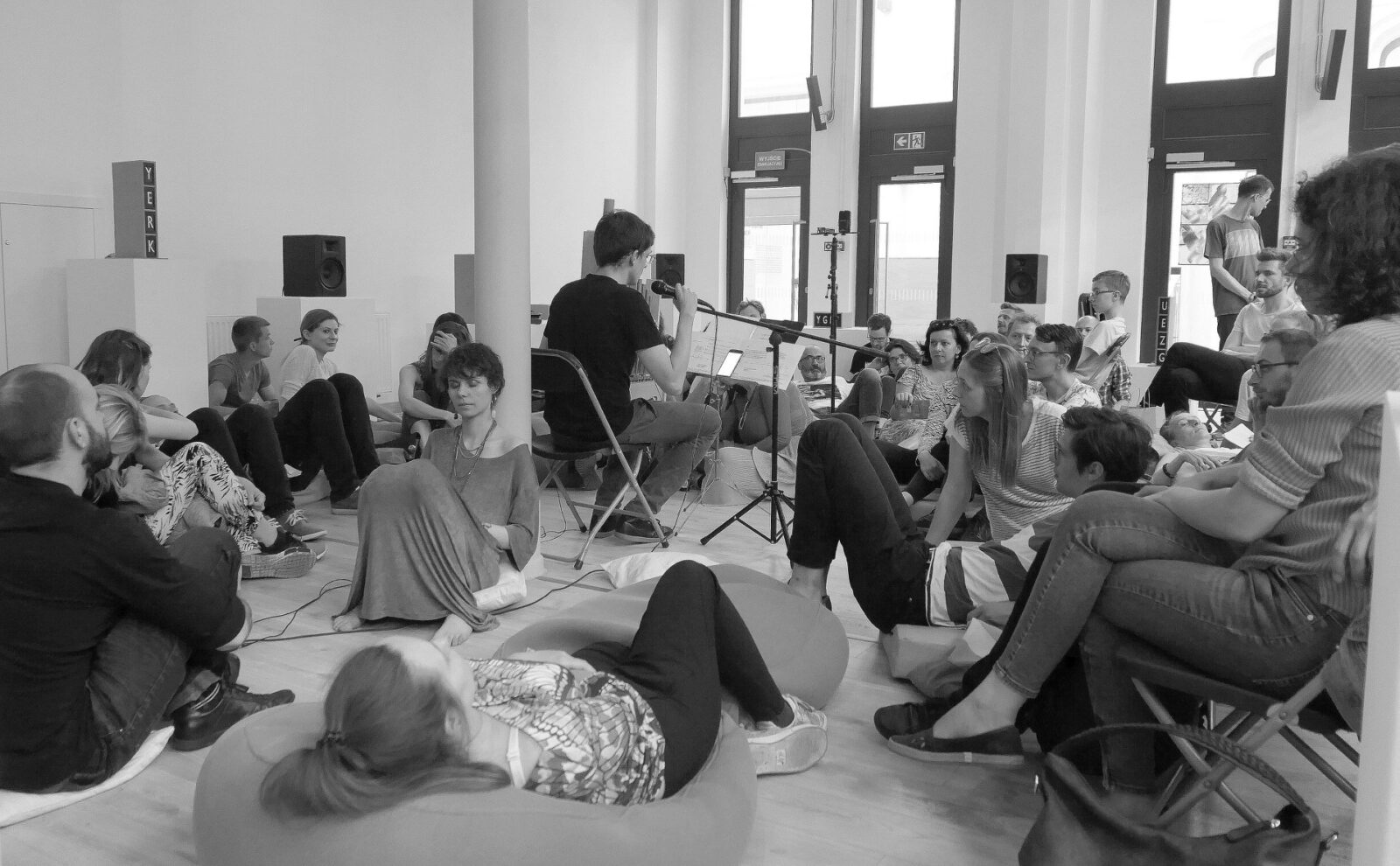
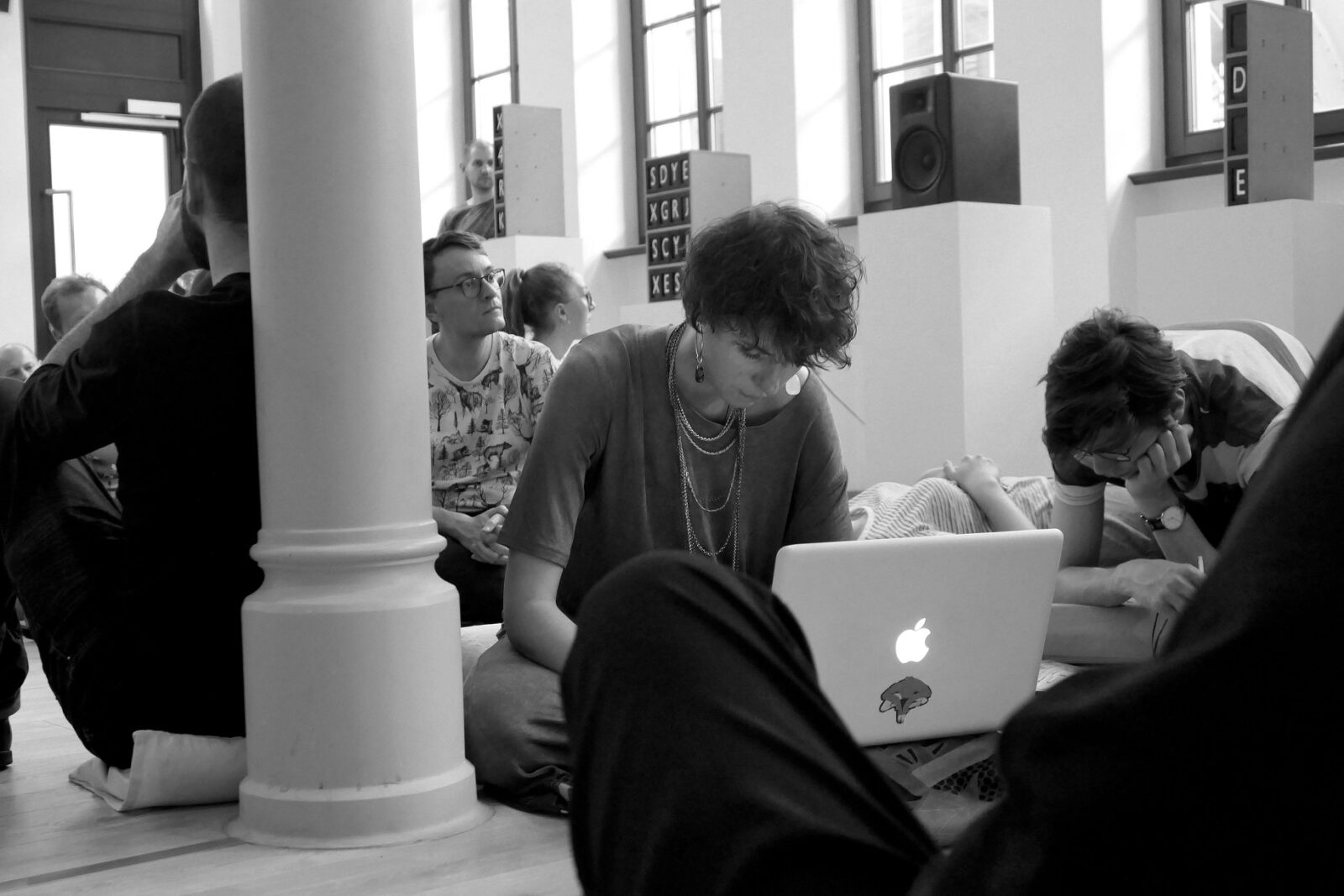
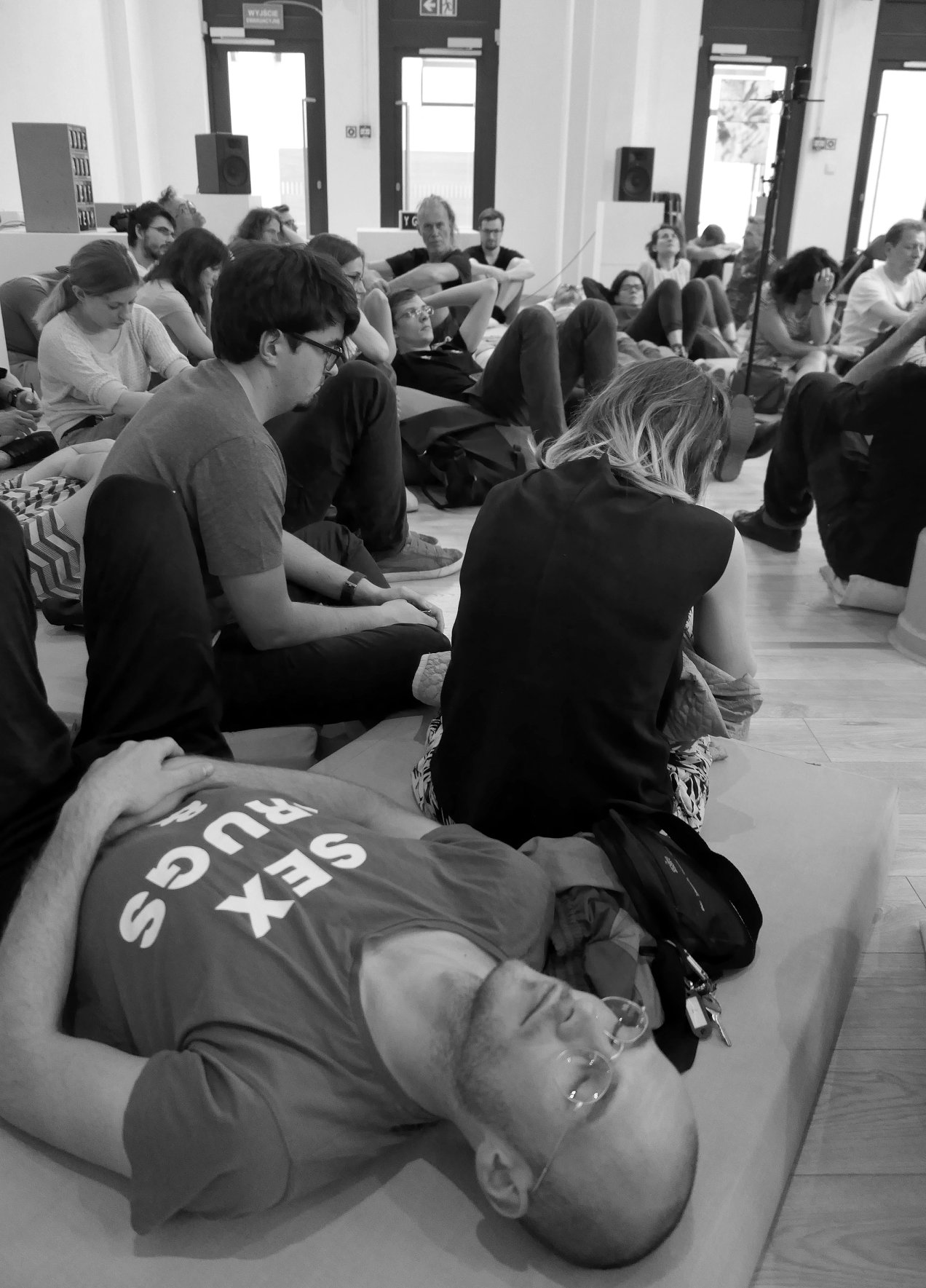
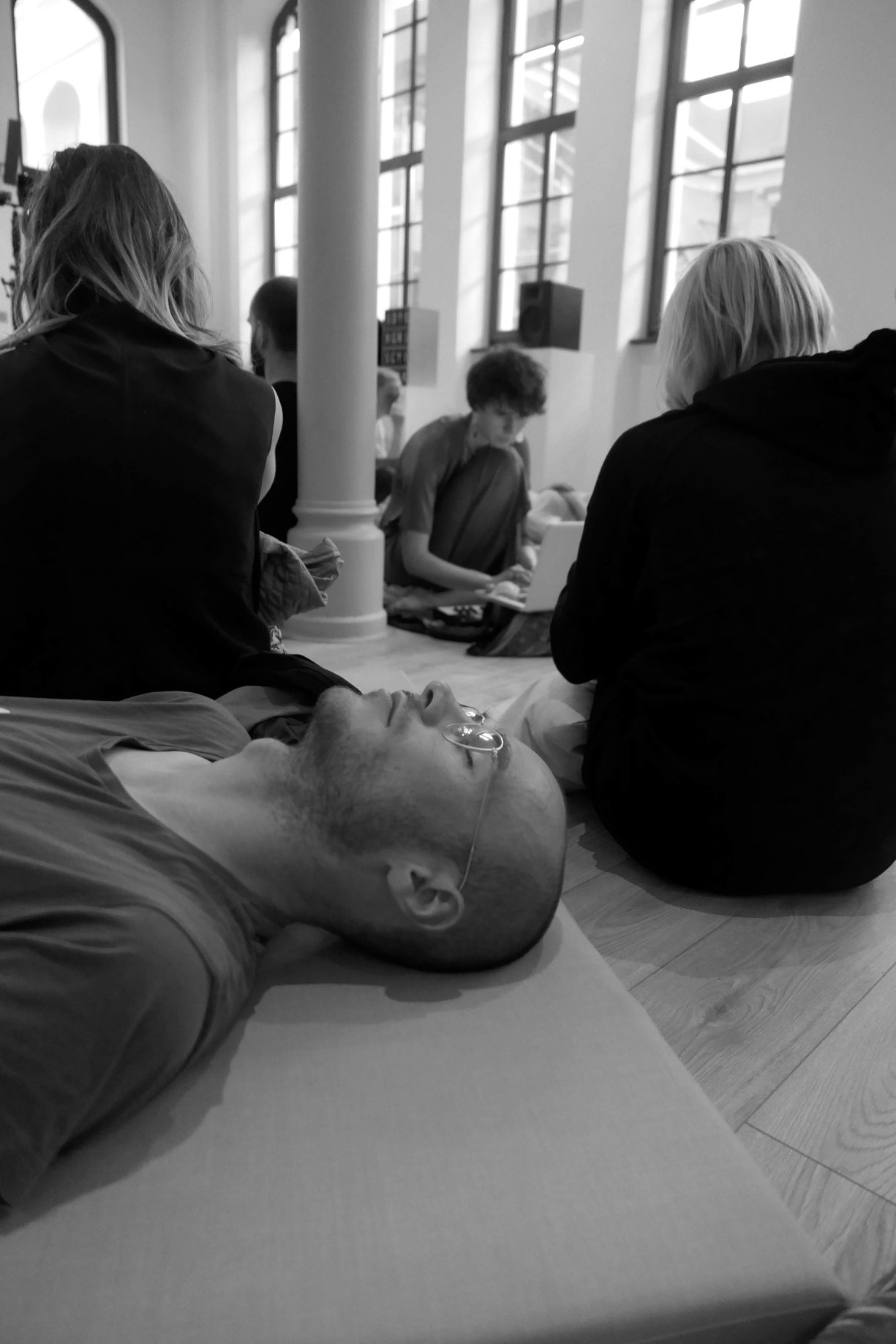
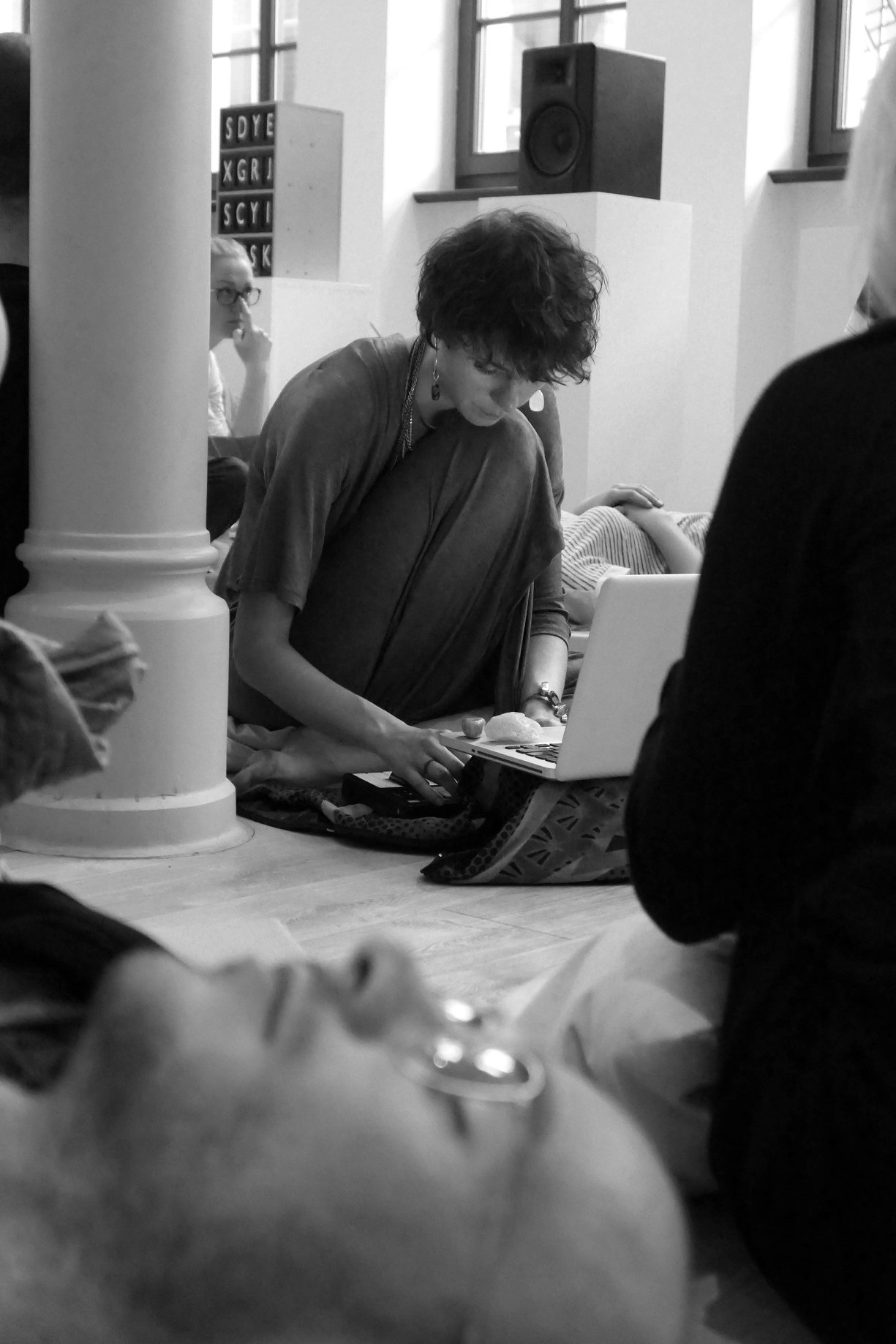
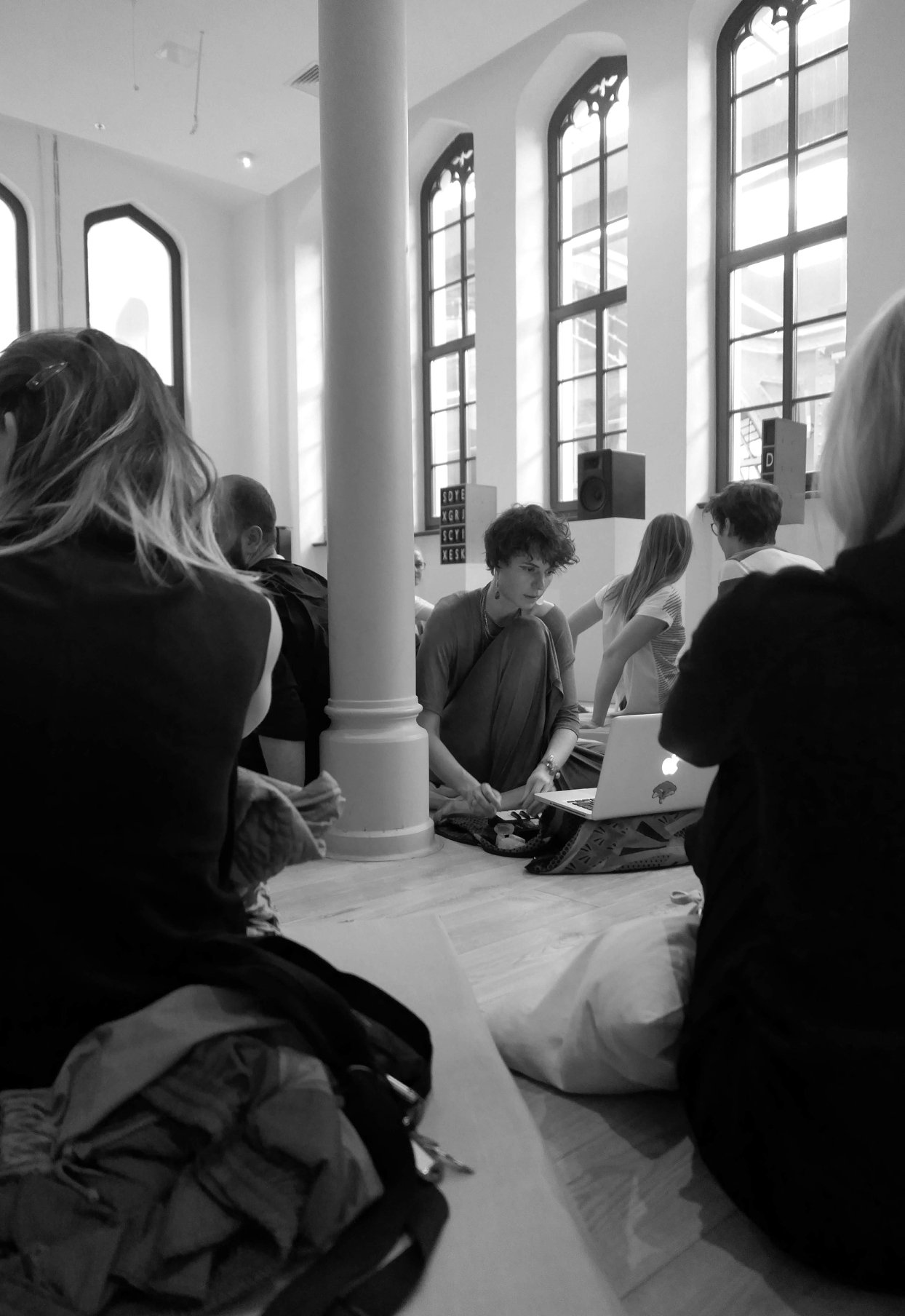
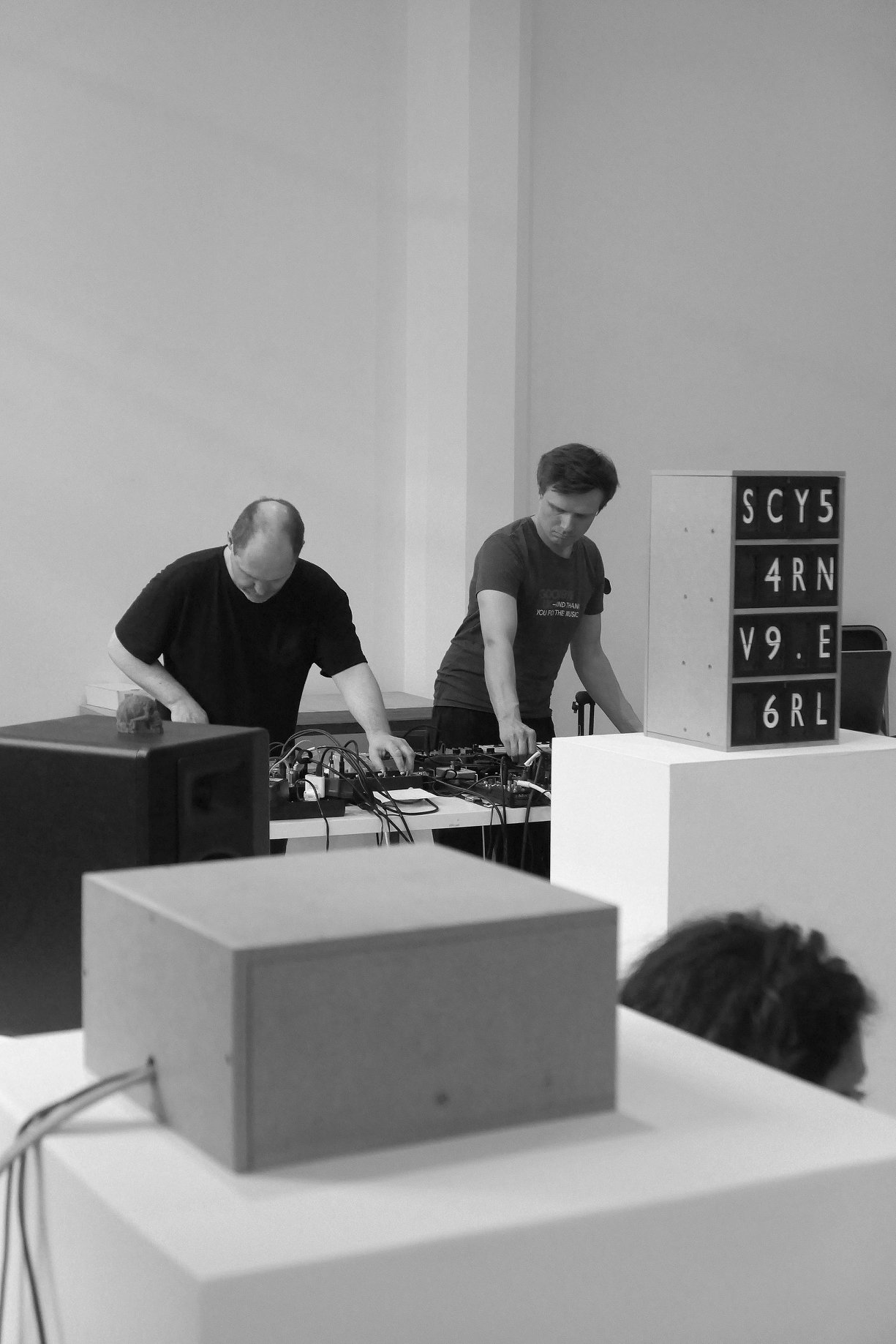
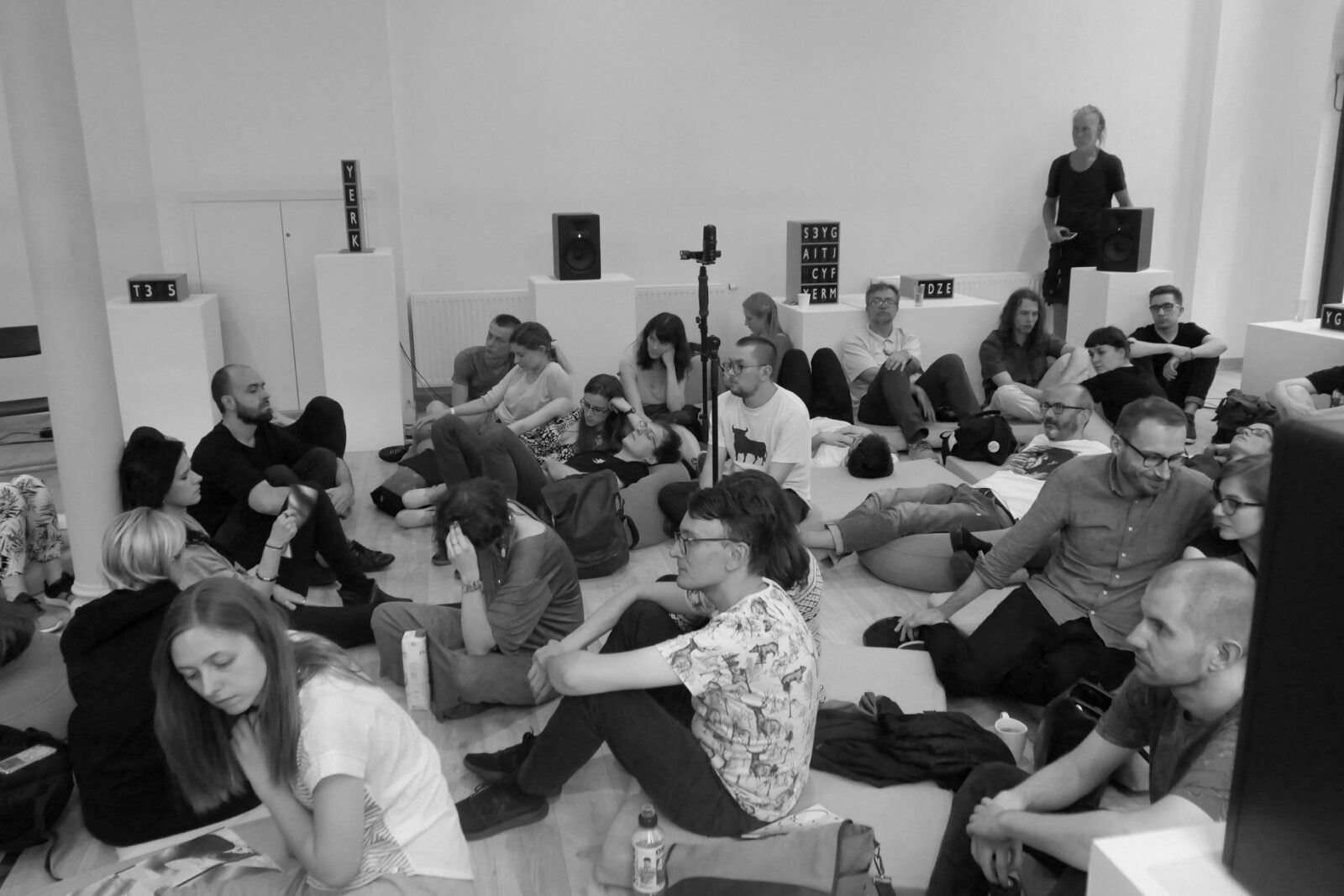
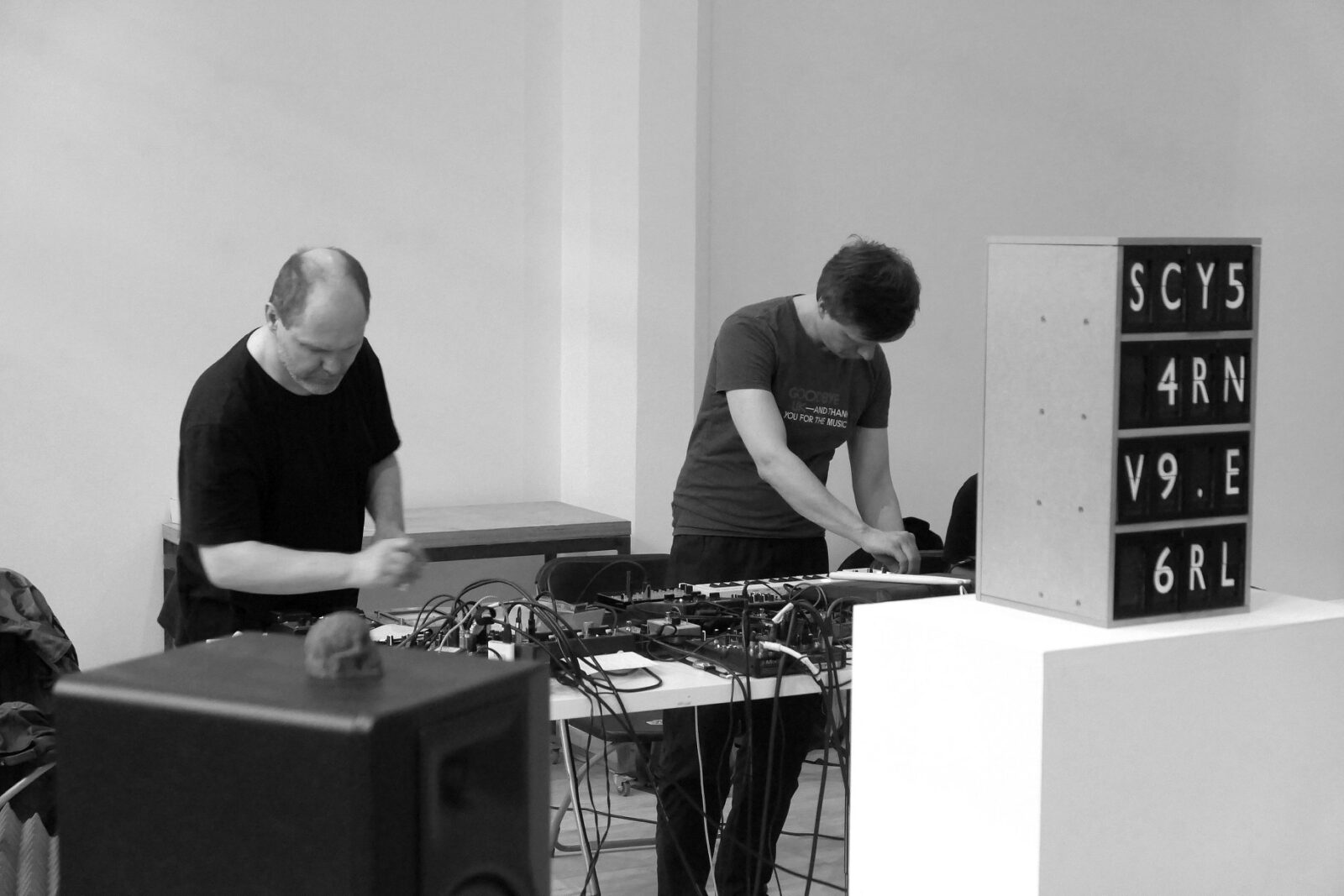
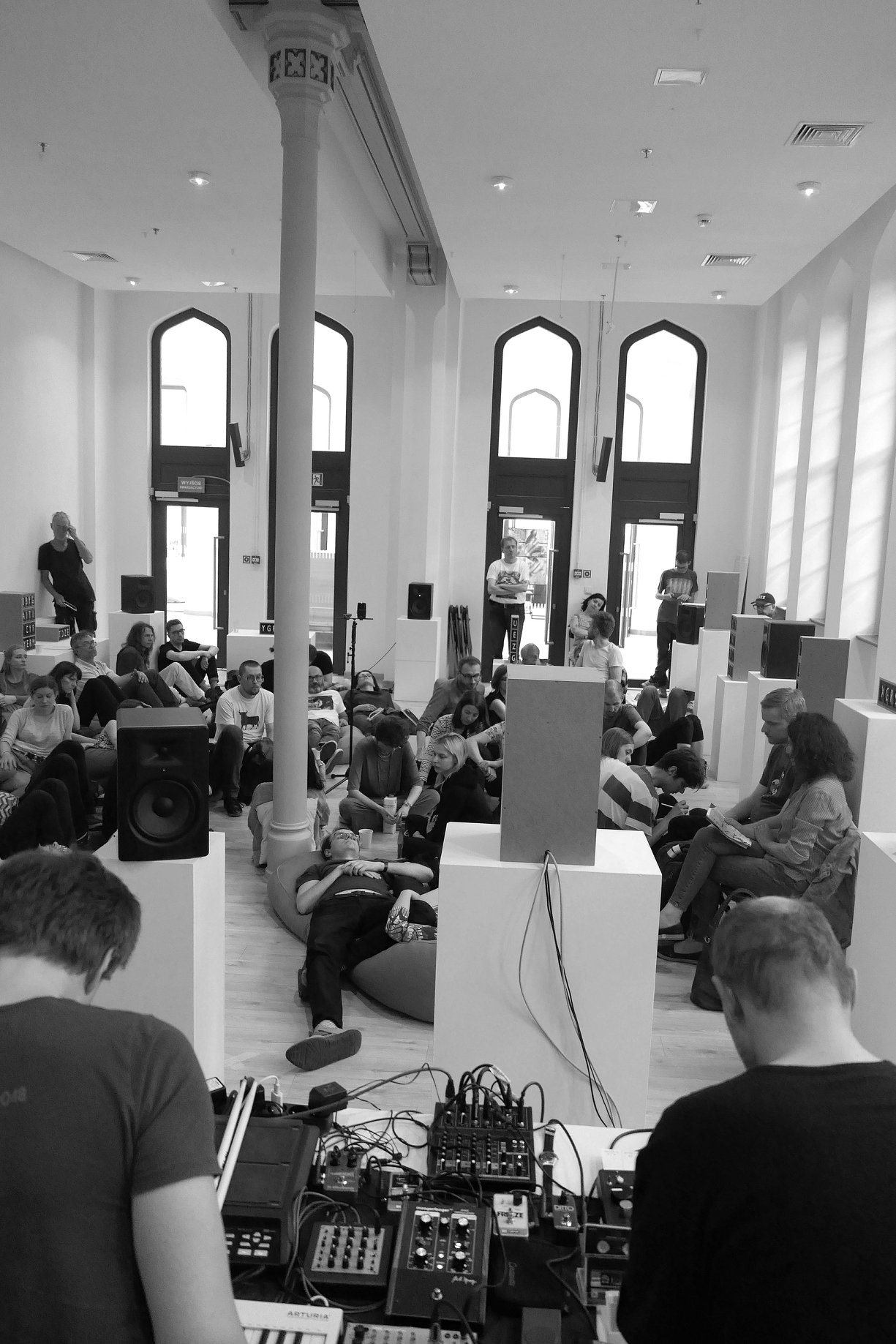
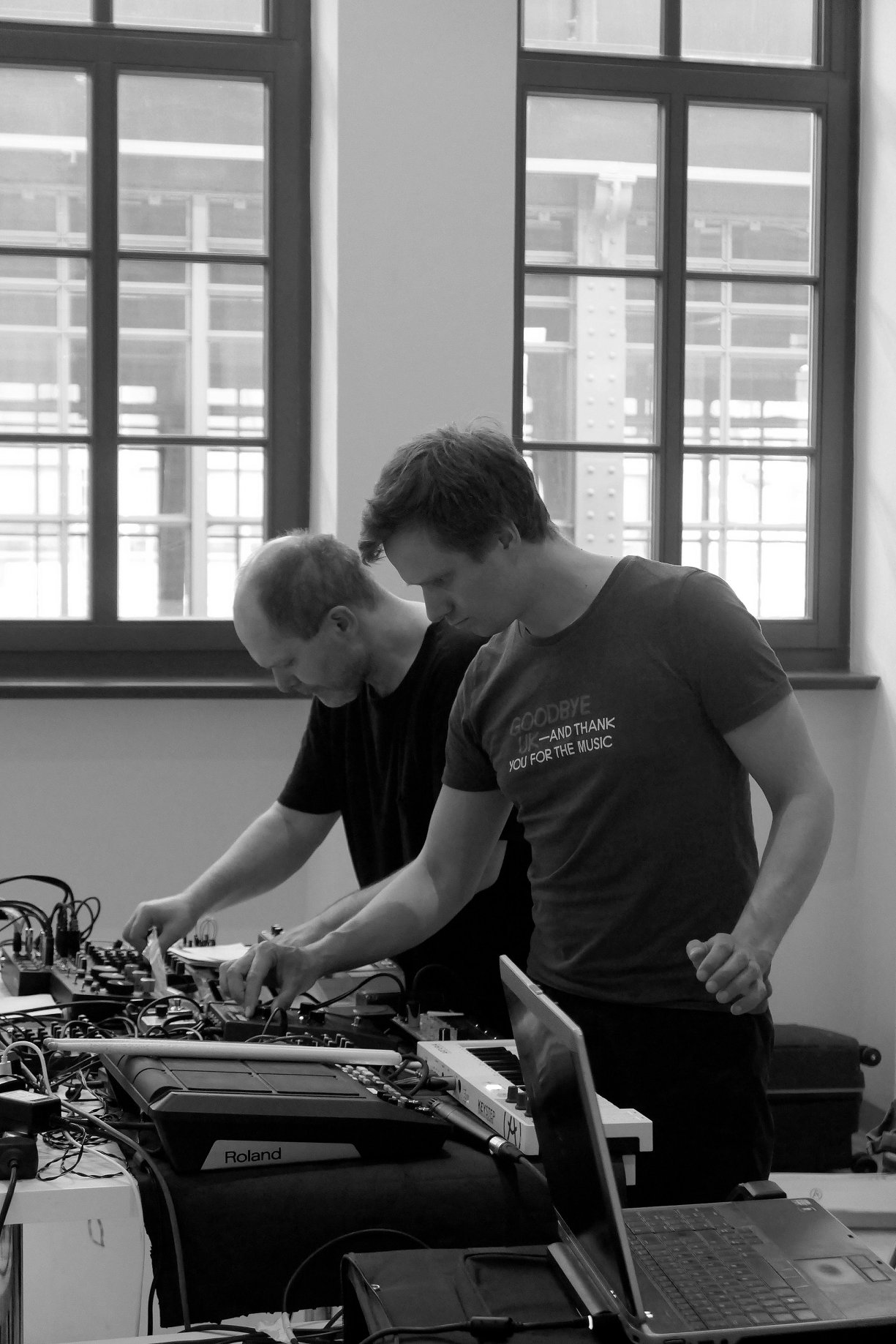
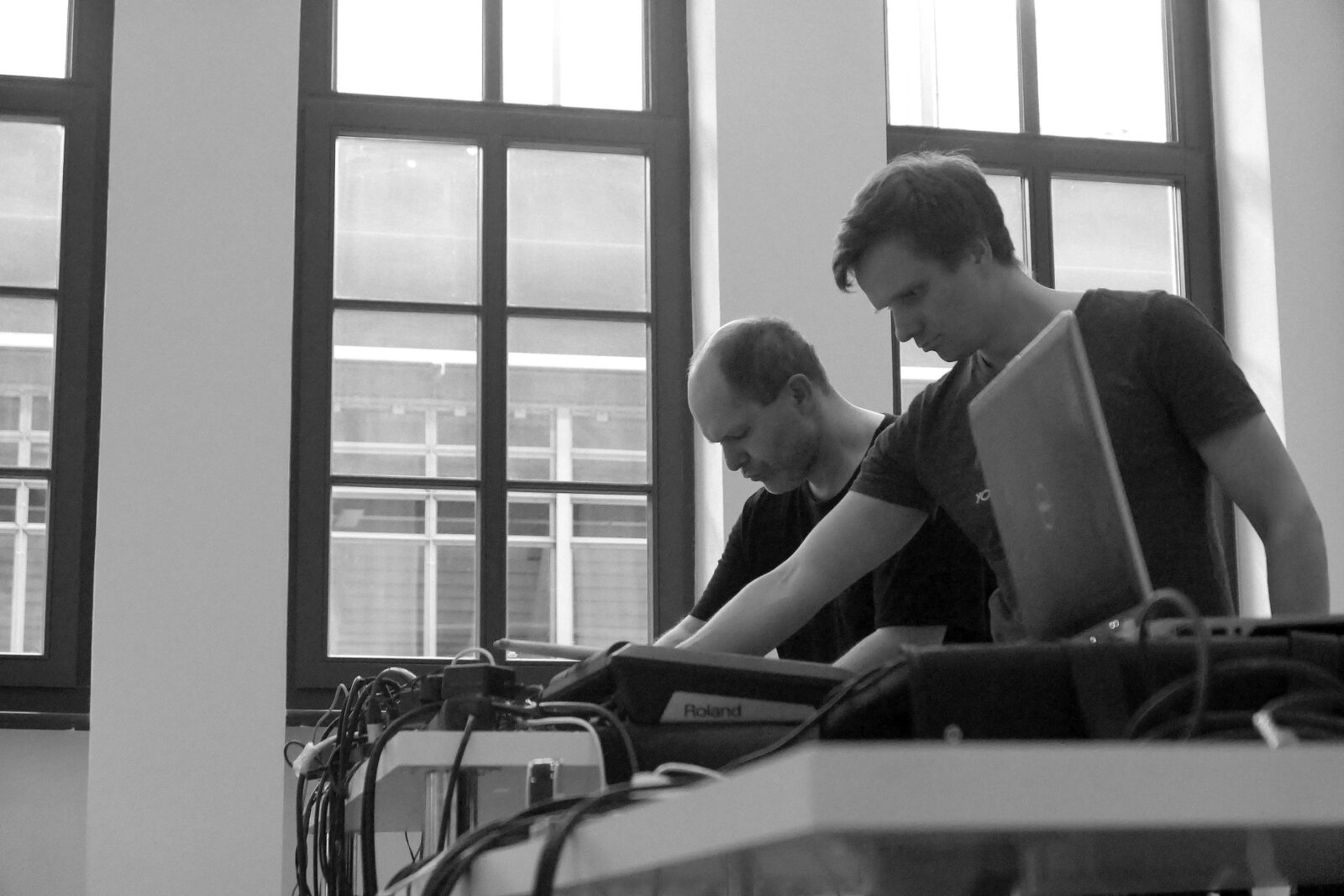
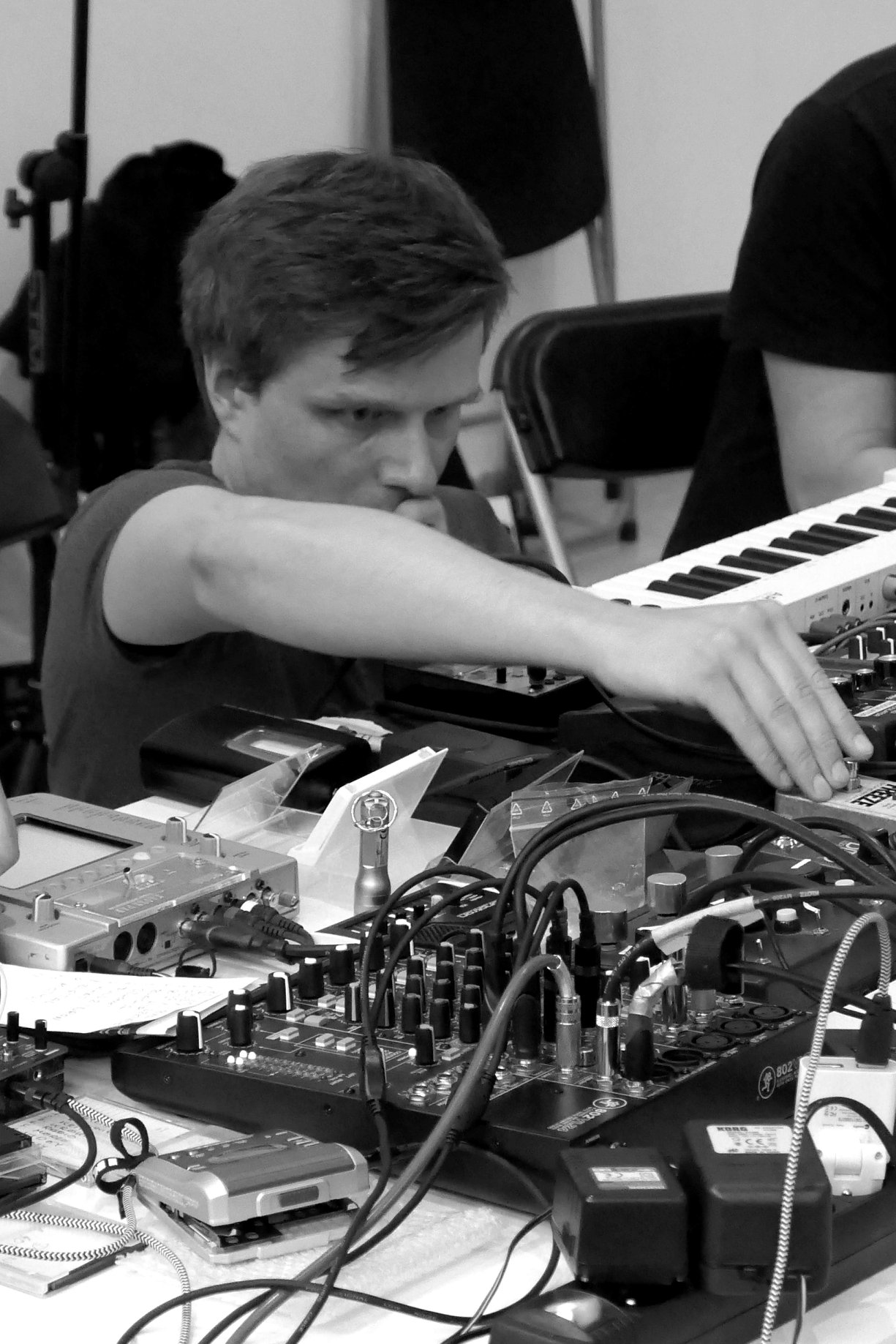
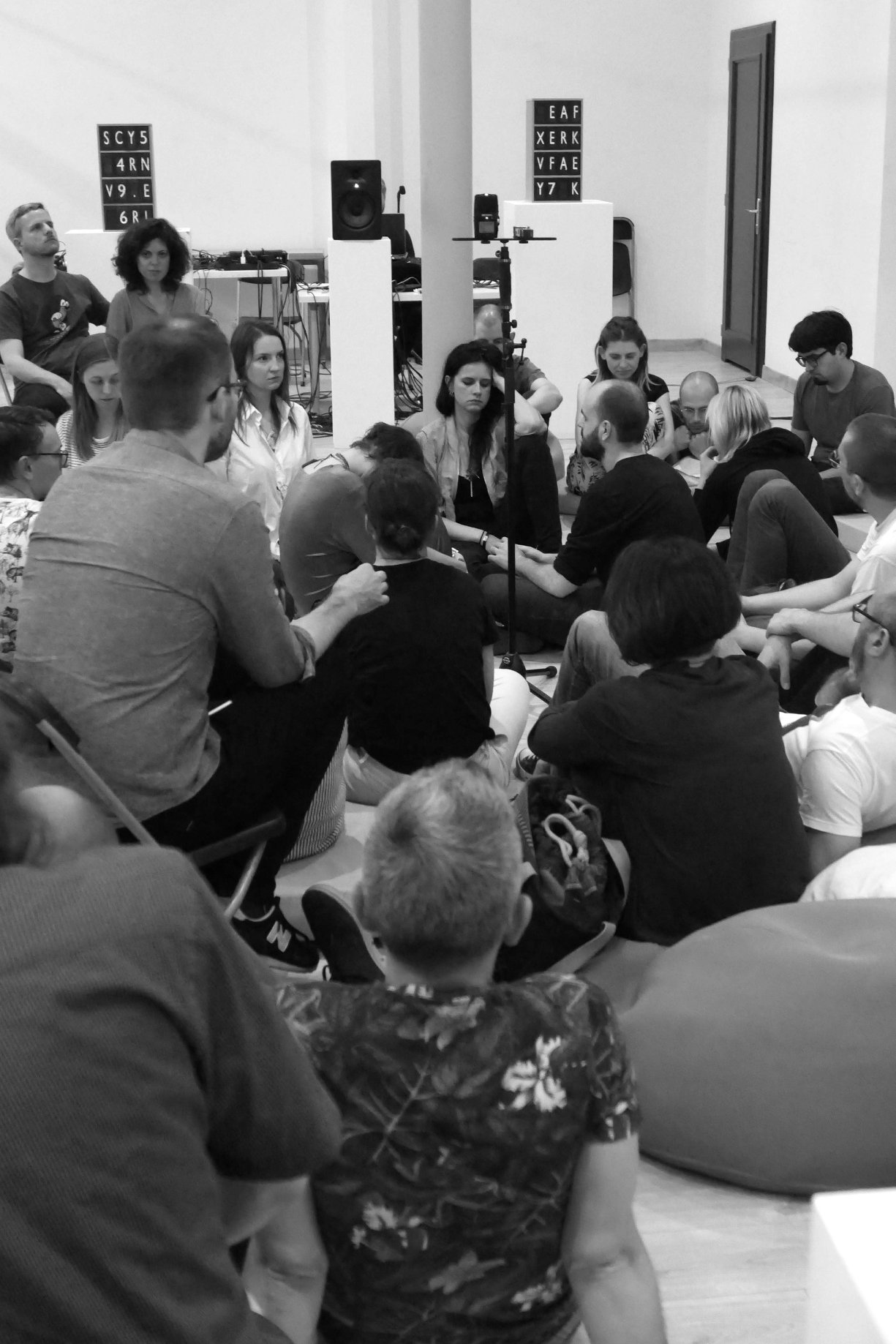
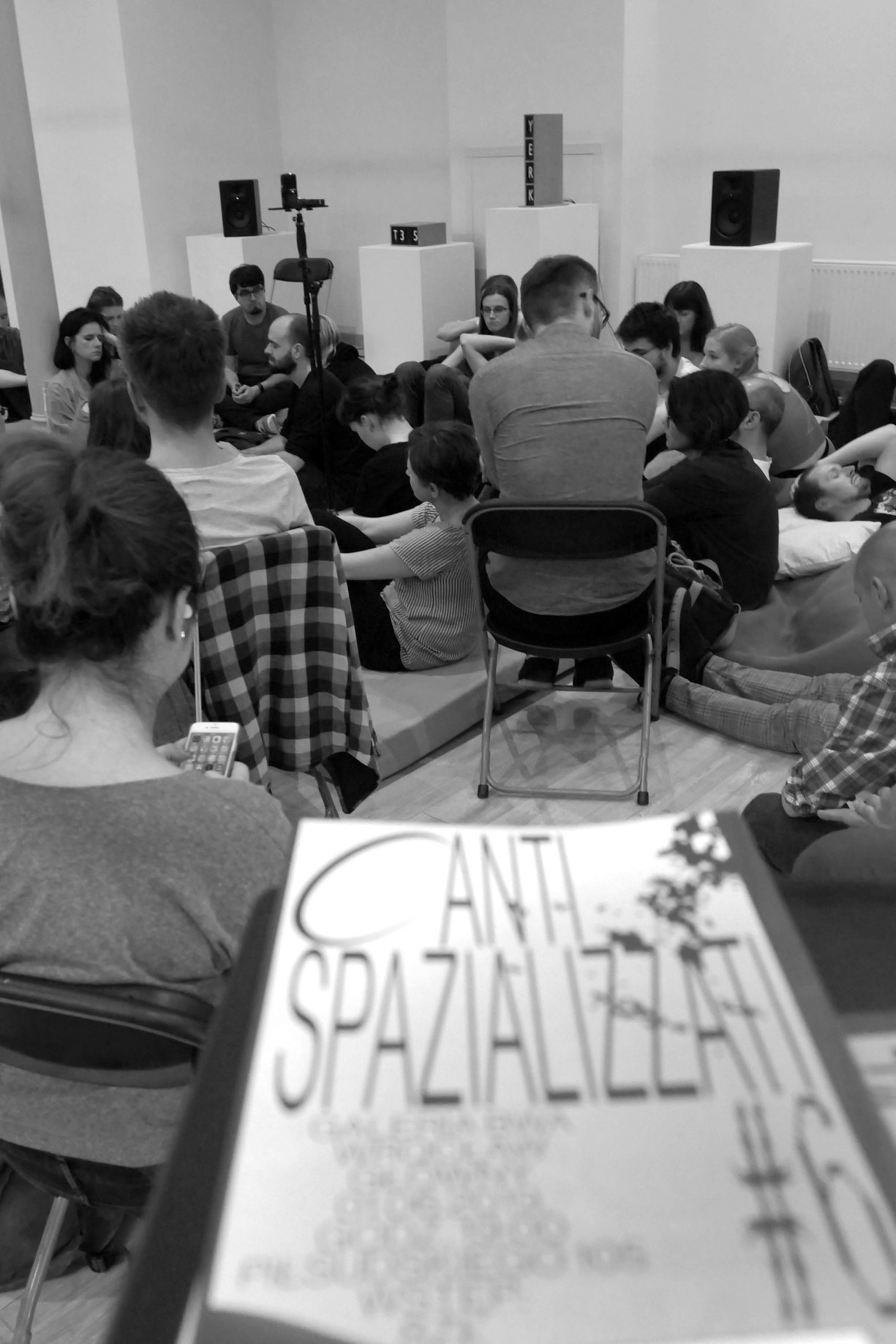
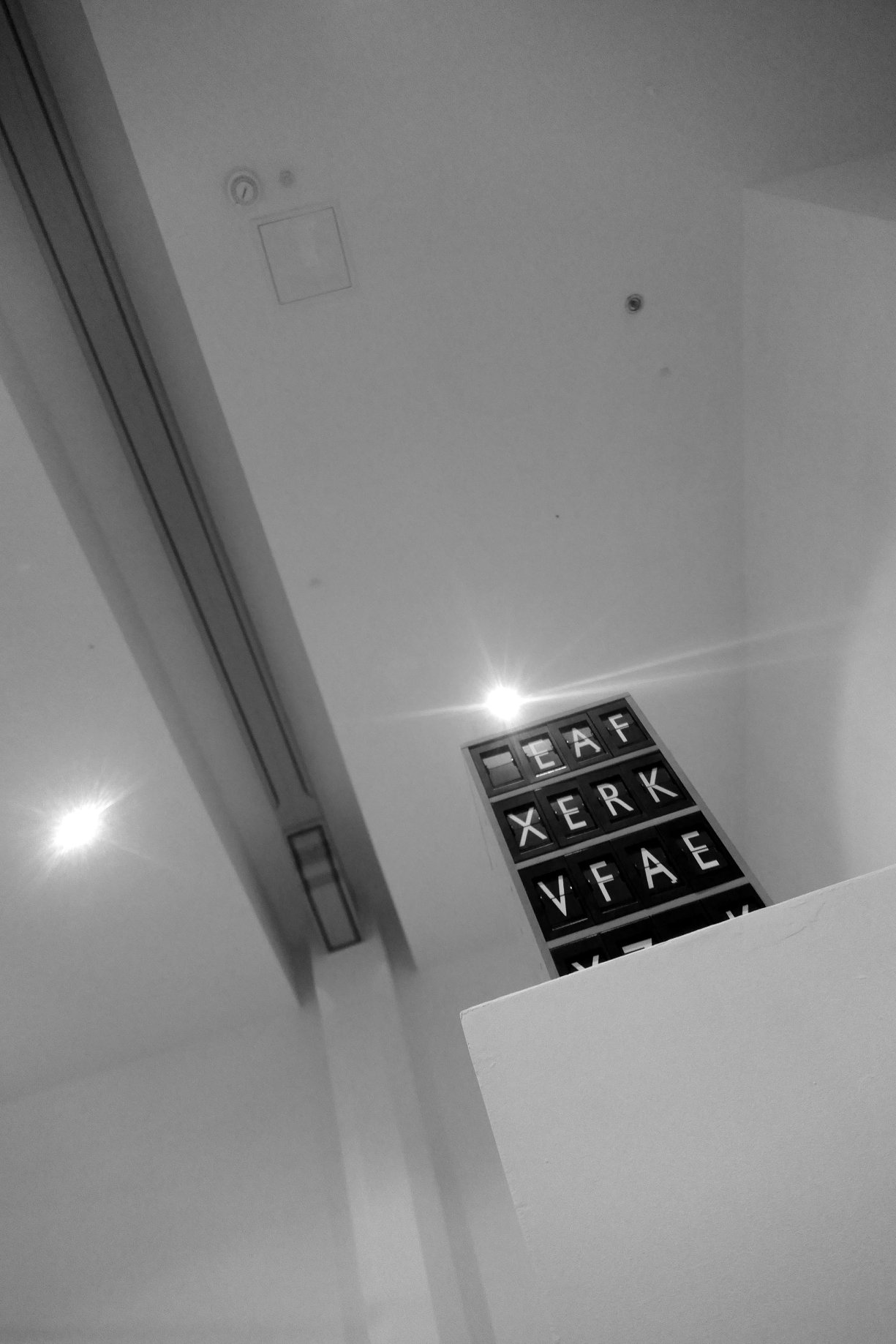
Concert and listening session took place on the 1st and 2nd of June 2019 in the BWA Wrocław Główny Gallery.
GALLERY:
THE TEAM:
Curator: Daniel Brożek
Poster and visual identity: Karolina Pietrzyk + Mateusz Zieleniewski
Production and PR: Martyna Woch, Mateusz Sabela
Organiser: Fundacja pozyTYwka,
Co-organiser: BWA Wrocław Główny
Co-funded by the city of Wroclaw.


